
Do you spend hours tossing and turning in bed? Do you wake up feeling exhausted even after spending eight hours under the covers?
You’re not alone.
Millions of people struggle with poor sleep quality, insomnia, irregular sleep schedules, and nighttime awakenings. The good news is that better sleep doesn’t always require medication or expensive treatments. In many cases, small lifestyle changes can dramatically improve sleep quality and help you wake up feeling refreshed.
In this guide, we’ll explore 10 science-backed ways to sleep better tonight and build healthier sleep habits that last a lifetime.
Why Sleep Matters More Than You Think
Sleep is not simply a period of rest. While you sleep, your body performs critical functions that affect nearly every aspect of your health.
Quality sleep helps:
- Improve memory and concentration
- Strengthen the immune system
- Regulate hormones
- Support heart health
- Enhance mood and emotional stability
- Promote muscle recovery
- Maintain healthy body weight
- Reduce stress levels
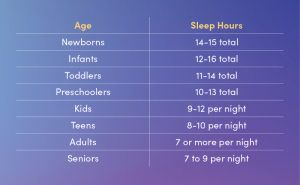
Research consistently shows that adults who get 7-9 hours of quality sleep tend to perform better physically, mentally, and emotionally.
Read Also: BedJet vs. ChiliSleep Dock Pro: Which Bed Cooling System Should You Buy?
1. Keep a Consistent Sleep Schedule
One of the most powerful ways to improve sleep is maintaining a consistent bedtime and wake-up time.
Your body operates on a natural internal clock called the circadian rhythm. When you go to bed and wake up at different times every day, this rhythm becomes disrupted.
Why It Works
A consistent sleep schedule helps your brain predict when it’s time to sleep and when it’s time to wake up.
How to Do It
- Go to bed at the same time every night.
- Wake up at the same time every morning.
- Avoid sleeping in excessively on weekends.
- Create a relaxing pre-bed routine.
Pro Tip: Even a 30-minute variation can affect sleep quality for sensitive sleepers.
2. Limit Screen Time Before Bed
Scrolling social media before bed may feel relaxing, but it can actually make it harder to fall asleep.
Phones, tablets, laptops, and televisions emit blue light, which suppresses melatonin production.
Melatonin is the hormone that tells your body it’s time to sleep.
Why It Works
Reducing screen exposure allows melatonin levels to rise naturally.
How to Do It
- Stop using screens 60 minutes before bedtime.
- Use blue-light filters in the evening.
- Replace screen time with reading or meditation.
Pro Tip: Keep your phone out of reach to avoid late-night scrolling.
3. Keep Your Bedroom Cool, Dark, and Quiet
Your sleep environment plays a major role in sleep quality.
Experts generally recommend a bedroom temperature between 60°F and 67°F (15°C to 19°C).
Why It Works
Your body naturally lowers its core temperature before sleep.
A cool room supports this process and encourages deeper sleep.
How to Optimize Your Bedroom
- Use blackout curtains.
- Remove unnecessary lights.
- Use a fan or air conditioning.
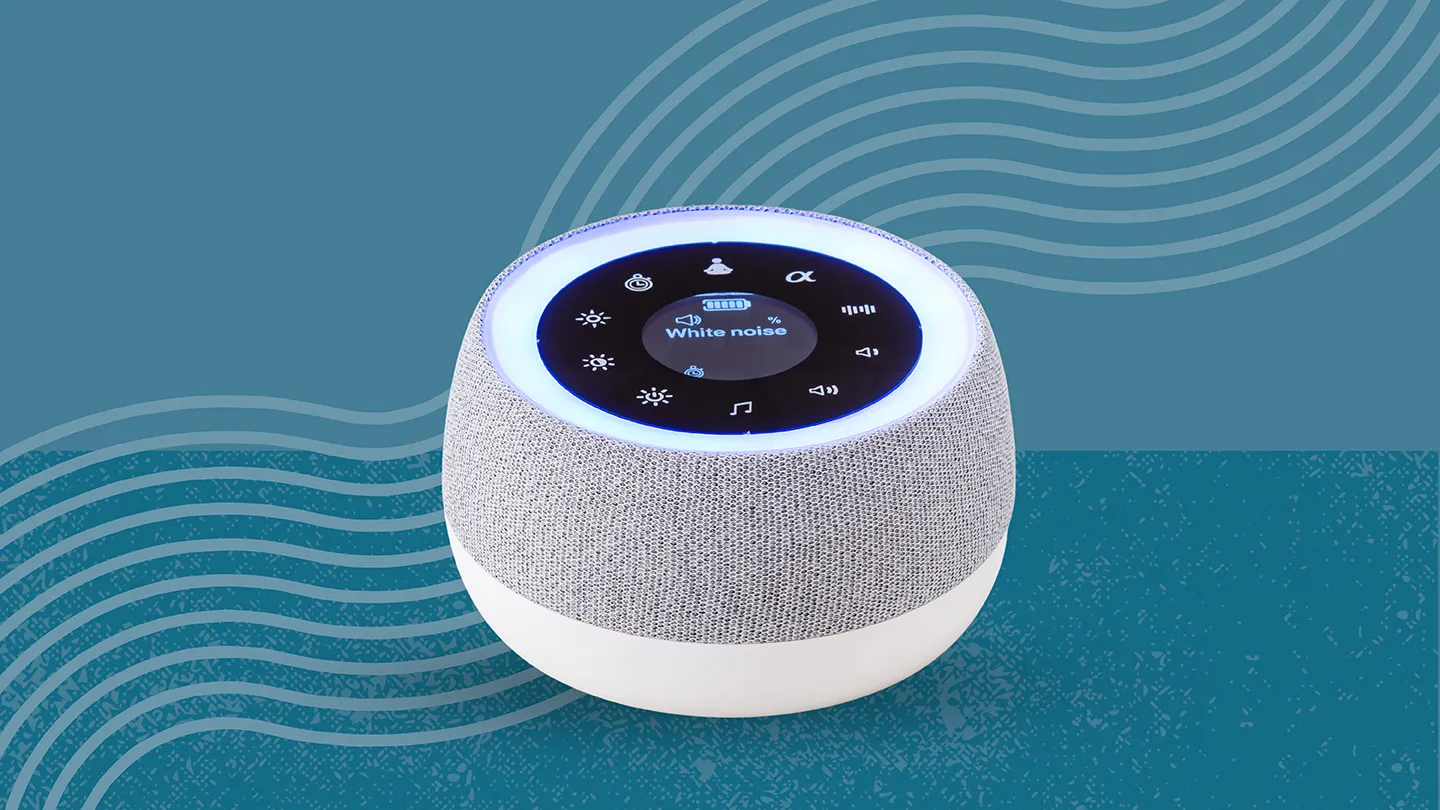
- Consider white noise machines.
- Invest in comfortable bedding.
Pro Tip: Even small light sources can disrupt sleep for some individuals.
4. Watch Your Caffeine and Alcohol Intake
Many people underestimate how long caffeine stays in the body.
The stimulating effects can last for several hours after consumption.
Common Sources of Caffeine
- Coffee
- Tea
- Energy drinks
- Soda
- Chocolate
Why It Works
Avoiding caffeine later in the day reduces stimulation and promotes easier sleep onset.
What About Alcohol?
Alcohol may initially make you sleepy but often disrupts deep sleep and REM sleep later in the night.
Pro Tip: Avoid caffeine after 2 PM whenever possible.
5. Manage Stress Before Bed
Stress and anxiety are among the most common causes of sleep problems.
When your mind races, your body remains in a heightened state of alertness.
Effective Stress-Reduction Techniques
Deep Breathing
Try the 4-7-8 method:
- Inhale for 4 seconds
- Hold for 7 seconds
- Exhale for 8 seconds
Meditation
Just 10 minutes of mindfulness can calm the nervous system.
Journaling
Write down worries, tasks, or thoughts before bed to clear your mind.
Pro Tip: Create a nightly “brain dump” journal.
6. Avoid Heavy Meals Before Bed
Eating a large meal close to bedtime can interfere with sleep.
Heavy foods force your digestive system to continue working while you’re trying to rest.
Foods to Limit Before Bed
- Fried foods
- Spicy foods
- Large portions
- Sugary desserts
Better Options
- Bananas
- Yogurt
- Almonds
- Oatmeal
- Herbal tea
Pro Tip: Finish dinner at least 2-3 hours before bedtime.
7. Exercise Regularly
Physical activity is one of the most effective natural sleep aids available.
People who exercise consistently often fall asleep faster and experience deeper sleep.
Why It Works
Exercise:
- Reduces stress
- Improves mood
- Regulates hormones
- Promotes physical fatigue
Best Types of Exercise
- Walking
- Running
- Cycling
- Swimming
- Strength training
- Yoga
Pro Tip: Avoid intense workouts within 2-3 hours of bedtime.
8. Take a Warm Shower Before Bed
A warm shower can signal your body that it’s time to wind down.
Why It Works
After a warm shower, your body temperature gradually drops.
This cooling effect mimics your body’s natural sleep process.
How to Use This Technique
- Shower 1-2 hours before bed.
- Keep water comfortably warm, not hot.
- Pair with a relaxing bedtime routine.
Pro Tip: Add calming scents like lavender for extra relaxation.
9. Create a Relaxing Bedtime Routine
Children aren’t the only ones who benefit from bedtime routines.
Adults can train their brains to associate certain activities with sleep.
Effective Bedtime Activities
- Reading
- Stretching
- Meditation
- Listening to calming music
- Journaling
Why It Works
Repeated behaviors create powerful sleep cues.
Over time, your brain begins preparing for sleep automatically.
Pro Tip: Follow the same sequence each night.
10. Invest in a Quality Mattress and Pillow
Your mattress and pillow directly affect comfort, spinal alignment, and pressure relief.
Signs You Need a New Mattress
- You’re waking up with aches and pains.
- Your mattress is over 7-10 years old.
- You sleep better elsewhere.
Benefits of a Quality Sleep Setup
- Better spinal support
- Reduced pressure points
- Improved comfort
- Less tossing and turning
Pro Tip: Choose a mattress based on your sleep position and body type.
Bonus Tip: Get Morning Sunlight
If you want one simple habit that dramatically improves sleep, spend more time outdoors in the morning.
Natural sunlight helps regulate your circadian rhythm and supports healthy melatonin production later in the day.
Benefits of Morning Sunlight
- Better sleep timing
- Increased alertness
- Improved mood
- Higher daytime energy
Aim for 15-30 minutes of outdoor sunlight within the first hour after waking.
Common Sleep Mistakes to Avoid
Many people unknowingly sabotage their sleep by:
- Using phones in bed
- Drinking caffeine too late
- Keeping inconsistent sleep schedules
- Sleeping with lights on
- Eating large meals before bedtime
- Taking long afternoon naps
Avoiding these habits can improve sleep quality almost immediately.
Frequently Asked Questions
How can I sleep better tonight naturally?
Maintain a consistent sleep schedule, limit screen time, reduce caffeine intake, manage stress, and create a relaxing bedtime routine.
What is the fastest way to fall asleep?
Deep breathing exercises, reducing light exposure, and keeping your bedroom cool can help you fall asleep faster.
Does exercise improve sleep quality?
Yes. Regular exercise helps regulate hormones, reduce stress, and improve overall sleep quality.
What temperature is best for sleeping?
Most experts recommend keeping your bedroom between 60°F and 67°F (15°C to 19°C).
Is it bad to use your phone before bed?
Yes. Blue light from screens can suppress melatonin production and make it harder to fall asleep.
Final Thoughts
Better sleep doesn’t happen by accident—it happens through consistent habits.
The good news is that you don’t need to overhaul your entire lifestyle overnight. Start with one or two changes, such as maintaining a regular sleep schedule or reducing screen time before bed.
As these habits become part of your routine, you’ll likely notice improvements in sleep quality, energy levels, focus, mood, and overall health.
Remember: small changes can create a big difference. Better sleep starts tonight.
Read Also: BedJet vs. Eight Sleep: Is the Smart Bed Worth It Cooling System?