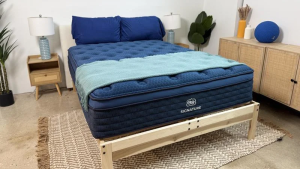

Sleep is one of the most powerful tools your body has for recovery, focus, mood regulation, and overall health. Yet many people spend years struggling with poor sleep while ignoring one of the biggest factors sitting underneath them every night: their mattress.
Think about it. You spend roughly one-third of your life sleeping. Your mattress is not just a piece of furniture; it is the foundation where your body resets every night. A poor mattress can feel like trying to recharge your phone with a damaged cable — you may still get some energy, but never enough to perform at your best.
Finding the best mattress for better sleep is not about buying the most expensive option or choosing the mattress with the most advertisements. The right mattress depends on your sleeping style, body needs, comfort preferences, temperature sensitivity, and lifestyle.
Modern mattress technology has changed dramatically. Today, shoppers can choose between memory foam, hybrid designs, latex materials, cooling systems, adjustable bases, and smart sleep accessories. Sleep experts emphasize that there is no single mattress that works perfectly for everyone because comfort is highly personal.
This guide will help you understand exactly what makes a mattress great, how different mattress types compare, and how to choose the right option for deeper and more refreshing sleep.
Read Also: Best Tea for Sleep: The Ultimate Natural Guide to Better Nights
Why Your Mattress Matters More Than You Think
Many people underestimate the role their mattress plays because sleep feels automatic. You lie down, close your eyes, and expect your body to do the rest. But your sleeping surface influences your spinal alignment, pressure points, temperature, and ability to stay comfortable throughout the night.
Imagine wearing uncomfortable shoes for eight hours every day. Eventually, your feet, legs, and back would complain. A mattress works the same way. Your body spends hours adjusting to whatever surface you give it. If that surface does not support you properly, your muscles may work harder during sleep instead of relaxing.
A quality mattress helps your body maintain a natural position while reducing unnecessary pressure on areas like your shoulders, hips, and lower back. Sleep Foundation research highlights that choosing the right mattress involves considering factors like mattress construction, firmness, body type, and sleeping position.
A great mattress can help you:
- Wake up feeling more refreshed
- Reduce discomfort caused by poor support
- Stay cooler during sleep
- Reduce movement disturbance from partners
- Create a more consistent sleep environment
This is why choosing a mattress should be treated like choosing an important health investment rather than simply buying bedroom decoration.
What Makes a Mattress the Best Mattress for Better Sleep?
The Balance Between Support, Comfort, and Pressure Relief
The best mattress is the one that creates the right balance between support and comfort.
A mattress that is too soft may allow your body to sink too deeply, creating uncomfortable alignment. A mattress that is too firm may create pressure points that make you constantly adjust your sleeping position.
The perfect mattress acts like a supportive bridge. It should cushion your body while keeping your spine properly aligned.
Three major factors determine mattress quality:
1. Support
Support refers to how well a mattress keeps your body positioned correctly. Good support prevents your heavier areas, such as hips and shoulders, from sinking unevenly.
2. Comfort
Comfort is about how the mattress feels when you lie down. Some people love the hugging feeling of memory foam, while others prefer the bounce and airflow of hybrid mattresses.
3. Pressure Relief
Pressure relief is especially important for side sleepers because their shoulders and hips carry more weight during sleep.
A mattress that combines these three qualities creates a better sleep experience.
Best Mattress Types Explained
The mattress industry offers many designs, but most options fall into four major categories: memory foam, hybrid, latex, and innerspring. Each has different strengths.
Memory Foam Mattresses
Memory foam mattresses became popular because they provide excellent body contouring and pressure relief.
The material reacts to body heat and weight, allowing the mattress to shape around your body. Many sleepers describe the feeling as sleeping “inside” the mattress rather than “on top” of it.
Memory foam is often preferred by:
- Side sleepers
- People who enjoy a softer feel
- Sleepers who need pressure relief
- Couples who want less motion transfer
The main disadvantage is heat retention. Traditional memory foam can trap warmth, which is why many modern versions include cooling materials.
Hybrid Mattresses
Hybrid mattresses combine foam comfort layers with coil support systems.
They are designed to give you the best of both worlds: the pressure relief of foam and the airflow and responsiveness of coils.
Many top-rated mattresses today are hybrids because they appeal to a wider range of sleepers. Current mattress testing guides frequently highlight hybrid models because they balance comfort, support, cooling, and durability.
A hybrid mattress may be ideal if you want:
- Better airflow
- Easier movement
- Strong support
- A balance between softness and firmness
Latex Mattresses
Latex mattresses are known for durability, responsiveness, and natural material options.
Unlike memory foam, latex usually feels more springy. You can move around easily without feeling stuck.
They are popular among sleepers looking for:
- Long-lasting materials
- Cooler sleeping surfaces
- Eco-conscious options
Innerspring Mattresses
Traditional innerspring mattresses use coil systems for support.
They provide strong airflow and a familiar mattress feel. However, older innerspring designs may not offer the same pressure relief as modern foam or hybrid options.
Newer versions often combine coils with comfort layers to improve the experience.
Best Mattress Based on Your Sleeping Position
Your sleeping position is one of the biggest factors when choosing a mattress.
A mattress designed for someone who sleeps on their side may feel completely wrong for someone who sleeps on their stomach.
Best Mattress for Side Sleepers
Side sleepers usually need better pressure relief because shoulders and hips press deeper into the mattress.
A medium or medium-soft mattress often works well because it allows cushioning while maintaining support.
Memory foam and hybrid mattresses are common choices because they can adapt to body curves.
Best Mattress for Back Sleepers
Back sleepers usually need balanced support to maintain natural alignment.
A medium-firm mattress is often preferred because it supports the lower back without creating excessive pressure.
Best Mattress for Stomach Sleepers
Stomach sleepers generally need stronger support to prevent excessive sinking around the midsection.
A firmer mattress can help create a more stable sleeping surface.