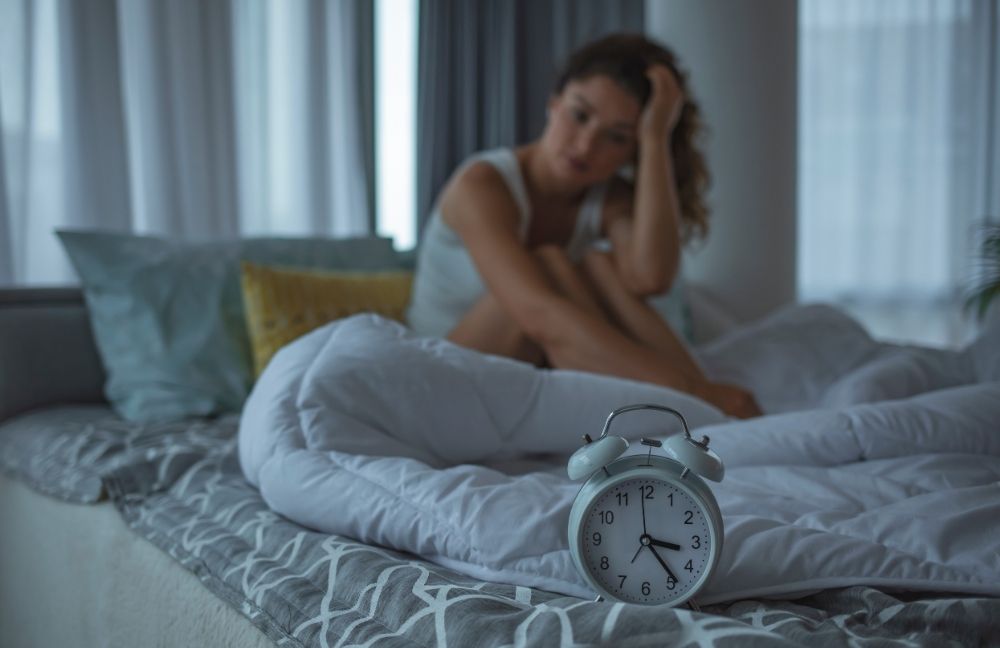
Sleep is a fundamental aspect of human life, integral to our health, well-being, and daily functionality. However, for some, it can turn into a realm of confusion and fear. One phenomenon that often elicits anxiety and misconceptions is sleep paralysis. This unique state occurring between wakefulness and sleep is characterized by an inability to move or speak while falling asleep or waking up. In this article, we’ll explore sleep paralysis—its causes, symptoms, cultural interpretations, and tips for managing it—while shedding light on the science behind this perplexing phenomenon.
Understanding Sleep Paralysis
Sleep paralysis occurs during the transition between sleep and wakefulness. It typically happens during Rapid Eye Movement (REM) sleep, a stage where most dreaming occurs. During REM sleep, the brain is highly active while the body remains still—a natural protection mechanism to prevent acting out dreams. Sleep paralysis occurs when the brain wakes up before the REM stage ends, leading to a temporary inability to move or speak.
Symptoms of Sleep Paralysis
Individuals experiencing sleep paralysis may face various symptoms, including:
-
Inability to Move or Speak: The most notable symptom is an overwhelming inability to control bodily movements.
-
Presence of Hallucinations: Many report visual or auditory hallucinations, often perceived as malevolent entities. This can lead to feelings of fear, dread, or anxiety.
-
Tightness or Pressure: Some describe a feeling of pressure on their chest, making it difficult to breathe.
-
Time Distortion: The experience can feel prolonged, though it often lasts only a few seconds.
Causes of Sleep Paralysis
While the exact causes are not entirely understood, several factors contribute to the likelihood of experiencing sleep paralysis:
-
Sleep Deprivation: Lack of sufficient sleep can trigger occurrences of sleep paralysis.
-
Sleep Disorders: Conditions such as narcolepsy or insomnia can increase the frequency of episodes.
-
Stress and Anxiety: Psychological factors significantly contribute. High levels of stress or anxiety can lead to disrupted sleep patterns.
-
Sleep Position: Some studies suggest sleeping on your back may increase the chances of sleep paralysis.
-
Substance Use: Alcohol and certain medications can disrupt sleep cycles and cause episodes.
Cultural Interpretations
Sleep paralysis has been a subject of intrigue and fear across different cultures, often interpreted through various lenses:
-
Folklore and Mythology: Many cultures have mythologized the experience. For instance, in some cultures, it is known as the “Old Hag Syndrome,” where individuals believe an old witch or a malevolent spirit is sitting on their chest.
-
Spiritual Encounters: Others interpret these experiences as spiritual encounters or visitations.
-
Cultural Variability: Each culture has unique explanations—ranging from alien abductions in modern contexts to demons or supernatural visits in historical narratives.
The Science Behind Sleep Paralysis
From a scientific perspective, sleep paralysis is often linked to the brain’s processes during REM sleep. During this stage, the body undergoes atonia, a temporary paralysis of the muscles which prevents acting out dreams. However, if consciousness returns before the body is fully awake, individuals find themselves aware but unable to move.
Neuroscientific research indicates that sleep paralysis may be connected to abnormalities in the sleep cycle, specifically the transition from REM sleep to wakefulness. Additionally, brain activity patterns suggest that sleep paralysis often involves a mismatch between neural circuits responsible for waking and those controlling muscle paralysis.
Managing Sleep Paralysis
While experiencing sleep paralysis can be frightening, there are strategies to help reduce the frequency and intensity of episodes:
-
Maintain Sleep Hygiene: Ensure a regular sleep schedule and create a comfortable sleep environment. Aim for 7-9 hours of uninterrupted sleep each night.
-
Reduce Stress: Practices such as mindfulness, meditation, and relaxation techniques can help ease the mind and reduce anxiety levels.
-
Avoid Sleep Disruptors: Cut down on caffeine, nicotine, and alcohol, particularly before bedtime.
-
Change Sleep Position: Experiment with different sleeping positions. If you usually sleep on your back, consider switching to your side.
-
Seek Professional Help: If episodes are frequent and distressing, consulting a healthcare professional or sleep specialist may be beneficial. They can provide guidance, run necessary tests, or offer treatment for underlying sleep disorders.
Conclusion
Sleep paralysis captivates our imagination with its blend of sleep and wakefulness. Despite the fear it may elicit, understanding its nature can demystify the experience and help individuals cope better. By implementing strategies to improve sleep hygiene and seeking support when necessary, people can reduce the occurrences of sleep paralysis and reclaim their nights.
FAQs about Sleep Paralysis
1. Is sleep paralysis dangerous?
No, sleep paralysis is not inherently dangerous. It is a benign condition, but it can be frightening.
2. How long does sleep paralysis last?
Episodes typically last from a few seconds to a couple of minutes.
3. Can sleep paralysis be treated?
While there is no specific treatment for sleep paralysis, improving sleep quality and managing stress can help reduce episodes.
4. Is sleep paralysis a sign of something more serious?
It can be associated with underlying sleep disorders. If episodes are frequent, consulting a specialist is advisable.
5. Can everyone experience sleep paralysis?
While many people may encounter it at least once, not everyone experiences sleep paralysis. Factors like sleep patterns and lifestyle can influence its occurrence.
6. Does age affect sleep paralysis?
Yes, it can occur at any age, but younger adults and teenagers are more likely to experience it.
7. Are there any misconceptions about sleep paralysis?
Yes, many believe it is a supernatural occurrence or that it only happens during specific times of the night, which is not accurate.
By understanding sleep paralysis, individuals can better navigate the bridge between dreams and reality, transforming fear into knowledge and ultimately achieving a more restful sleep.