
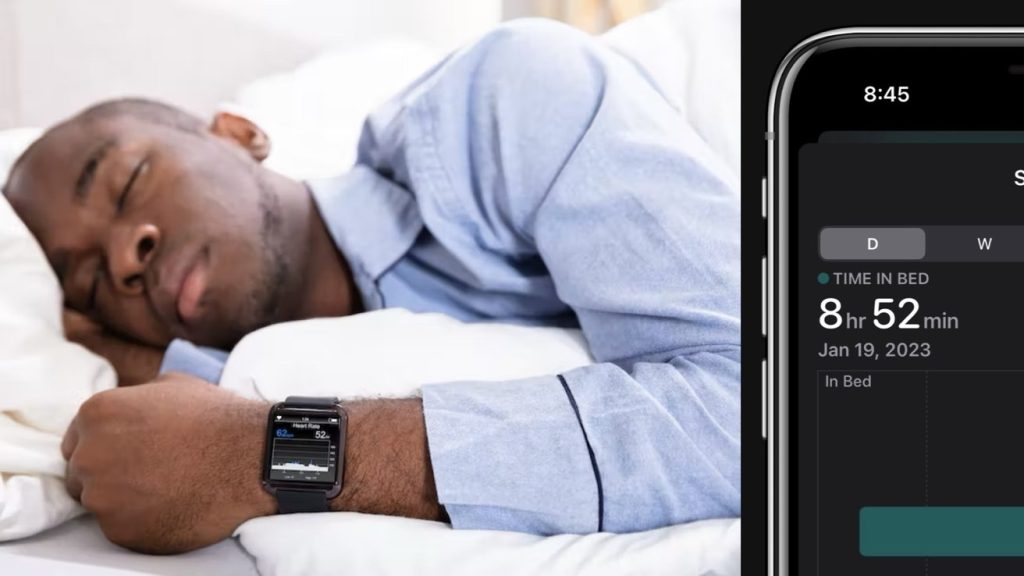
It’s the question thousands of people ask every night before bed: “Can this Apple Watch on my wrist tell me if I have sleep apnea?”
The short, honest answer is:
Yes, but not in the way you might think. Your Apple Watch is a powerful screening tool that can detect a high risk of sleep apnea. It is not, however, a FDA-approved diagnostic device. It can alert you to a problem, but it cannot give you a formal medical diagnosis.
Think of it as a sophisticated smoke alarm. It can smell smoke and scream for your attention, but it can’t tell you exactly what’s on fire or how to put it out. That part requires a professional.
Here’s exactly what your Apple Watch can do, what it can’t do, and your clear action plan based on the data it provides.
How It “Detects” Sleep Apnea: The Science on Your Wrist
Modern Apple Watches (Series 6 and later) use a combination of advanced sensors to look for the telltale signs of sleep apnea throughout the night:
- Blood Oxygen (SpO2) Sensing: This is the most critical feature. During a sleep apnea event, your airway becomes blocked, causing your blood oxygen levels to drop suddenly. Your watch takes background measurements while you sleep. Consistent, significant dips in your nightly SpO2 levels are a major red flag for sleep apnea.
- Heart Rate Monitoring: When your brain realizes it’s not getting oxygen, it jolts you slightly awake (often without you remembering) and sends a shot of adrenaline to restart your breathing. This causes your heart rate to spike. The watch tracks these unusual nighttime heart rate patterns.
- Sleep Staging & Movement: Using its accelerometer, the watch analyzes your movement to determine if you’re in REM, Core, or Deep sleep. People with untreated sleep apnea have fragmented, poor-quality sleep—they rarely get enough restorative deep sleep because they’re constantly being disrupted.
The watch’s algorithms fuse this data together to identify patterns that are highly consistent with sleep-disordered breathing.
The Game-Changer: FDA-Cleared Apps
This is where the answer gets more powerful in 2025. While the native Apple Health app shows you raw data, third-party companies have now received FDA clearance to use the Apple Watch’s hardware for formal sleep apnea risk assessment.
Apps like SleepImage and Clevy Sleep use your watch to run a home sleep test. They provide a detailed report that categorizes your risk as low, medium, or high. This report is designed to be shared with your doctor to justify and accelerate the process for a full sleep study.
This bridges the gap between casual tracking and clinical action.
What Your Apple Watch CANNOT Do
It is vital to understand the limitations:
- It Cannot Diagnose You: Only a sleep study (polysomnogram) can officially count the number of apnea events you have per hour (the AHI score) and provide a medical diagnosis.
- It Can Miss Things: Clinical-grade equipment measures brain waves, eye movement, chest effort, and breathing directly from your nose and mouth. It is far more comprehensive and accurate than a wrist-worn device.
- It Requires Interpretation: Data without context is just numbers. A dip in blood oxygen could be caused by other factors. The watch provides the “what,” but a doctor provides the “why.”
Your Action Plan: What to Do If You’re concerned
If your Apple Watch data shows consistent warning signs—like low blood oxygen or erratic heart rate during sleep—here’s your step-by-step plan:
- Don’t Panic: Data is power. You’ve found clues, not a verdict.
- Gather Evidence: Take screenshots of your Health app data, specifically the Sleep section with Blood Oxygen and the Heart Rate graphs during your sleep schedule.
- Talk to Your Doctor: This is the most critical step. Make an appointment and say: “My Apple Watch has consistently recorded these patterns indicative of sleep apnea. I am experiencing [mention symptoms like daytime fatigue, loud snoring, waking up gasping] and I am concerned.”
- Push for a Next Step: Your doctor may order a home sleep test or an in-lab sleep study based on your evidence and symptoms. This is the only way to know for sure.
The Bottom Line
So, can your Apple Watch detect sleep apnea? It can detect the strong likelihood of it, acting as a crucial early warning system that previous generations never had.
Use this technology to become proactive about your health. Let it be the reason you start a conversation with your doctor that could dramatically improve your sleep, your health, and your quality of life.
Still have questions? Explore our in-depth guide: Apple Watch & Sleep Apnea in 2025: The Definitive Guide
Disclaimer: This article is for informational purposes only and does not constitute medical advice. The Apple Watch is not a medical device for diagnosis. Always consult with a qualified healthcare professional for any health concerns or before making medical decisions.