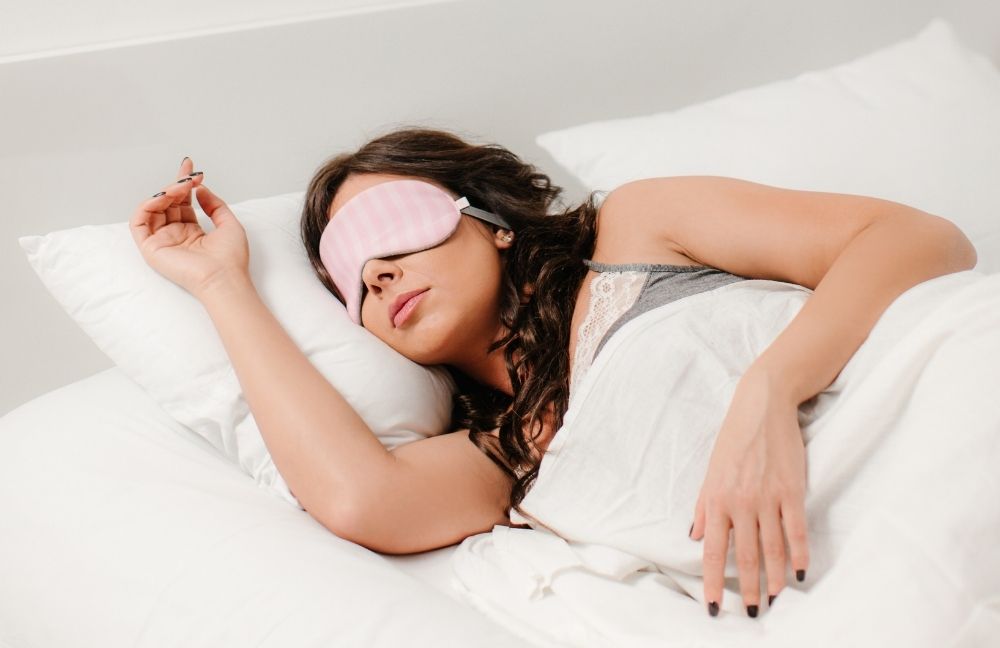
Sleep paralysis is an experience many can relate to, though few understand the depth of its implications. Imagine waking up in the dead of night, unable to move or speak, feeling an ominous presence looming nearby. For those who have undergone this phenomenon, it’s not just a moment of fear; it’s a deeply unsettling ordeal that can lead to anxiety, despair, and a host of mental health challenges.
In this article, we delve into the personal stories of individuals who have battled sleep paralysis, exploring their experiences, fears, coping mechanisms, and what they wish others knew about this frightening condition.
Understanding Sleep Paralysis
Before we dive into the personal narratives, let’s clarify what sleep paralysis is. It occurs when a person is either falling asleep or waking up and experiences a temporary inability to move or speak. During these episodes, some report hallucinations or a sensation of pressure on their chest, leading to a feeling of intense dread.
The Science Behind It
Sleep paralysis often happens during REM (Rapid Eye Movement) sleep, a phase where the brain is highly active and dreams occur. While the mind is awake, the body remains in a state of sleep-induced muscle atonia—essentially a temporary paralysis that prevents you from acting out your dreams. Stress, sleep deprivation, and irregular sleeping patterns can exacerbate the likelihood of these episodes.
Personal Stories of Combatting Sleep Paralysis
Sarah’s Story: A Journey Through Fear
Sarah, a 28-year-old graphic designer, experienced sleep paralysis for the first time during her college years. “I had just pulled an all-nighter to finish a project. I remember waking up, unable to move, and feeling this weight on my chest. I thought I was dreaming until I saw a shadowy figure at the foot of my bed. It was terrifying.”
The experience led to weeks of anxiety. “Every night, I would dread sleep. I started reading about it and discovered I wasn’t alone. Knowing others experienced the same thing helped reduce my fear.”
Sarah began to combat her sleep paralysis by implementing a consistent sleep schedule, creating a calming bedtime routine, and reducing her stress through yoga and meditation. “Now, when I feel the onset of an episode, I try to remind myself that it’s temporary. It feels less overpowering than before.”
Jake’s Story: From Darkness to Understanding
For Jake, a 35-year-old educator, sleep paralysis began after he lost his job during the pandemic. “I was already dealing with depression, and sleep paralysis only made it worse. I would wake up in the middle of the night, unable to move, and hear voices. It felt like I was trapped between worlds,” he recalls.
Jake’s episodes often left him in a cycle of fear and depression. Realizing he needed help, he sought therapy and began journaling his experiences. “Writing about it helped me process the fear. I learned that many of my experiences were influenced by my mental state.”
Through cognitive-behavioral therapy (CBT), Jake learned techniques to manage anxiety and improve his sleep hygiene. “I focus on my breathing during episodes, reminding myself that it’s just my mind playing tricks on me. Understanding the science behind it gave me back some control.”
Emily’s Story: The Power of Community
Emily, a 24-year-old graduate student, found solace in an online support group. “I thought I was the only one going through this. Hearing other people’s stories made me feel less isolated,” she shares. Her first episode occurred during a stressful finals week. “I woke up in the middle of the night and saw this figure hovering over me. I was so frightened that I couldn’t even scream.”
Through her support group, Emily learned various coping strategies, including grounding techniques and visualization exercises. “Now, when I experience sleep paralysis, I visualize a safe place. I remind myself that I am safe and that it will pass.”
Moreover, she advocates for greater awareness about sleep paralysis, “Many people dismiss it as just a nightmare, but it’s so much more. It’s vital that we talk about it.”
Coping Strategies and Recommendations
-
Sleep Hygiene: Maintaining a regular sleep schedule, creating a relaxing bedtime routine, and ensuring a comfortable sleep environment can significantly reduce episodes.
-
Stress Management: Techniques such as mindfulness, meditation, and yoga can help manage stress that often exacerbates sleep paralysis.
-
Education: Understanding the condition can demystify the experience. Reading about others’ stories and widening one’s knowledge can diminish the fear associated with these episodes.
-
Support Groups: Connecting with others who share similar experiences can provide emotional support and practical strategies.
-
Professional Help: Therapy, especially cognitive-behavioral therapy, can be effective in addressing the anxiety and depression that often accompany sleep paralysis.
FAQs
What is sleep paralysis?
Sleep paralysis is a temporary inability to move or speak that occurs when you are waking up or falling asleep. It can be accompanied by hallucinations and feelings of pressure on the chest.
Is sleep paralysis dangerous?
While sleep paralysis is not physically dangerous, the accompanying fears and hallucinations can lead to anxiety and stress. Understanding the phenomenon can help alleviate some of the fear.
How common is sleep paralysis?
Research suggests that approximately 8% of the general population experiences sleep paralysis, with higher rates reported among individuals with sleep disorders.
Can sleep paralysis be treated?
While there isn’t a specific treatment, improving sleep hygiene, managing stress, and seeking therapy can help reduce the frequency and severity of episodes.
What should I do during an episode of sleep paralysis?
Focus on your breathing and remind yourself that it is temporary. Some people find visualization techniques, like imagining a safe place, helpful during episodes.
Are there any lifestyle changes that can help?
Yes! Maintaining a regular sleep schedule, reducing caffeine and alcohol intake, and managing stress through meditation or exercise can be beneficial.
Conclusion
Sleep paralysis is a shadowy obstacle many face, but it can also be a catalyst for growth and understanding. Through sharing stories and coping mechanisms, individuals can navigate this frightening experience. As awareness grows, we can foster community, empathy, and informed discussions about sleep paralysis, helping those caught in the void find their way to safety and peace.