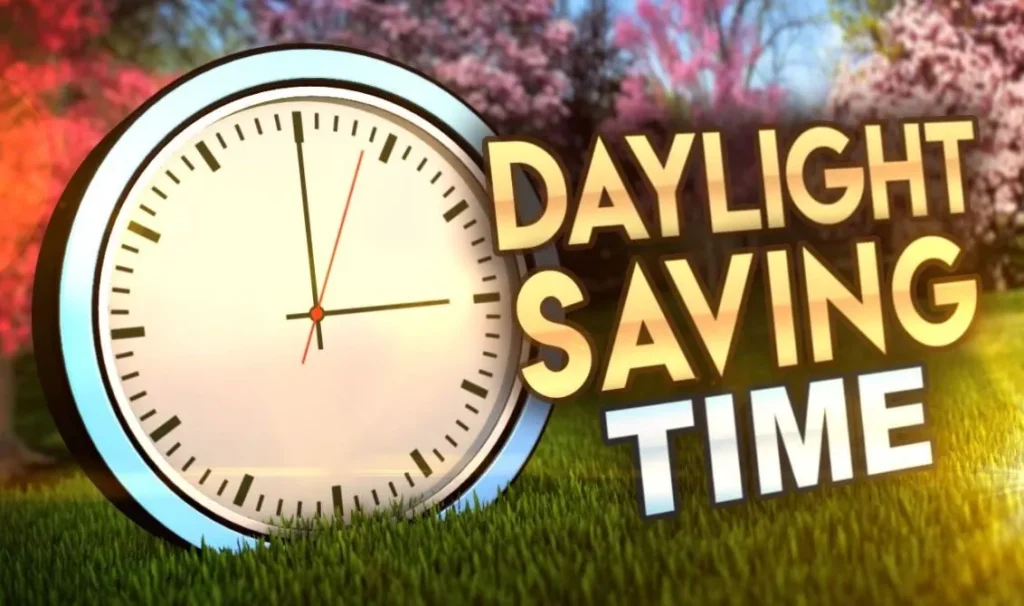
Daylight Saving Time (DST) is the annual practice of “springing forward” and “falling back,” but for millions, it’s a major disruptor of healthy sleep patterns. At SleepingZones.com, we know that even a one-hour shift can throw your circadian rhythm into chaos, leading to sleep deprivation and health issues.
This guide will break down exactly how DST affects your sleep and provide actionable tips to help you adjust and protect your rest all year long.
What is Daylight Saving Time?
Daylight Saving Time is the practice of setting clocks forward by one hour in the spring (typically March) and back by one hour in the fall (November). The core idea was to make better use of daylight during evening hours. However, most of the U.S. has observed it since 1966, the debate over its effects on health and sleep is stronger than ever.
Key Dates for 2025:
- DST Begins (Spring Forward): Sunday, March 9, 2025 (Clocks move forward 1 hour at 2 a.m.)
- DST Ends (Fall Back): Sunday, November 2, 2025 (Clocks move back 1 hour at 2 a.m.)
Note: Hawaii, most of Arizona, and U.S. territories like Puerto Rico and the Virgin Islands do not observe DST.
How Daylight Saving Time Disrupts Your Sleep
The “Spring Forward” change is particularly brutal for sleep. We instantly lose an hour of sleep, and our internal body clock (circadian rhythm) is forced out of alignment with the sun’s natural light-dark cycle.
Our circadian rhythms are 24-hour cycles regulated by light exposure. They tell our body when to be alert and when to produce melatonin, the sleep hormone. DST creates a form of social jetlag, where your social clock is out of sync with your biological clock.
The consequences of this misalignment are significant:
- Sleep Loss: Studies show the average person gets 40 minutes less sleep on the Monday after “springing forward.”
- Increased Sleep Debt: The cumulative effect of this loss can build into a substantial sleep debt.
- Health Risks: Research has linked the DST transition to short-term upticks in heart problems, mood disorders, and workplace injuries.
- Safety Concerns: There is a documented rise in motor vehicle collisions in the week following the spring time change.
While “falling back” gives an extra hour of sleep, it can still cause issues, making it harder to wake up in the morning and potentially leading to early-onset drowsiness in the evening as the body adjusts.
Should We Abolish Daylight Saving Time? The Sleep Expert Perspective
Most sleep experts and major medical associations, like the American Academy of Sleep Medicine (AASM), advocate for abolishing seasonal time changes. They argue that a permanent, year-round Standard Time (not permanent DST) is better aligned with human circadian biology.
Permanent Standard Time would provide brighter mornings, which are crucial for signaling our bodies to wake up, and darker evenings, which naturally encourage melatonin production. While legislation at both state and federal levels continues to be debated, the clock changes remain a reality for now.
Expert Sleep Tips to Survive the Time Change
Whether you’re dreading the spring forward or preparing for the fall back, these strategies can help you minimize sleep disruption.
For the “Spring Forward” (March) Change:
- Adjust Gradually: In the 3-4 days before the change, go to bed and wake up 15-20 minutes earlier each day. This gently shifts your body clock.
- Prioritize Morning Light: Get exposure to bright natural light as soon as possible after waking up. This suppresses melatonin and helps reset your circadian rhythm.
- Optimize Your Sleep Environment: Ensure your bedroom is dark, cool, and quiet. Consider blackout curtains to combat earlier sunrises after the fall change.
- Avoid Stimulants: Cut off caffeine by early afternoon and avoid heavy meals or alcohol close to bedtime, as they can further disrupt sleep quality.
For the “Fall Back” (November) Change:
- Embrace the Extra Hour (Wisely): Use the extra hour for sleep, not staying up later. Go to bed at your normal time according to the new clock.
- Stay Consistent: Stick to your regular sleep schedule, even on weekends. Consistency is key for stable circadian rhythms.
- Get Evening Light (Carefully): Exposure to afternoon light can help delay your internal clock slightly, making it easier to stay awake until your new, later bedtime.
Frequently Asked Questions (FAQ)
Q: Why does Daylight Saving Time make me so tired?
A: The time change forces your circadian rhythm out of sync with the sun’s natural cycle. This misalignment, similar to jet lag, disrupts melatonin production and sleep-wake signals, leading to fatigue.
Q: How long does it take to adjust to the time change?
A: Most people adjust within a few days to a week. However, for some—especially night owls and teens—it can take longer. Using the tips above can significantly speed up the process.
Q: Which is worse for sleep, spring or fall?
A: The “Spring Forward” change is generally harder on sleep because it results in an immediate loss of one hour of sleep and requires the body to wake up earlier relative to its internal clock.
Q: How can I help my child adjust to Daylight Saving Time?
A: Use the same gradual adjustment method. Shift their meal, bath, and bedtime routines by 10-15 minutes earlier (for spring) or later (for fall) over several days.
Ready to Take Control of Your Sleep?
Don’t let the time change derail your rest. Subscribe to our newsletter for more expert sleep tips, product reviews, and guides to create your perfect sleep sanctuary.
Explore More on SleepingZones: