Sleep is no longer just a nightly ritual—it is the foundation of physical health, mental clarity, productivity, and overall longevity. In 2025 and beyond, as our world becomes more digitally saturated and stress-driven, restorative sleep has transformed into a necessity that defines how well we thrive in daily life. In this guide, we explore the most advanced, practical, and science-backed strategies to fix your sleep once and for all.
Why Quality Sleep Matters More Than Ever
Modern lifestyles have blurred the lines between day and night. With screen exposure, late-night work schedules, and stressful routines, poor sleep is a silent epidemic. Lack of sleep doesn’t just cause fatigue—it disrupts hormones, cognitive function, emotional balance, and immune health. Chronic sleep deprivation has been linked to:
- Increased risk of obesity, diabetes, and cardiovascular disease
- Reduced focus, creativity, and productivity
- Weakened immune system leading to frequent illness
- Higher likelihood of anxiety, depression, and mood disorders
- Shortened lifespan due to long-term health complications
To truly fix your sleep in 2025, we must adopt a holistic approach—balancing lifestyle, environment, and emerging technology.
Step 1: Mastering Your Sleep Environment
Your bedroom should be a sleep sanctuary, free of distractions and optimized for rest.
1. Optimize Lighting
- Invest in smart lighting that mimics natural sunrise and sunset.
- Use blackout curtains to block external light pollution.
- Eliminate blue light exposure at least 2 hours before bed.
2. Regulate Temperature
- The ideal sleep temperature is 60–67°F (15–20°C).
- Use cooling mattresses or temperature-regulating sheets.
- Avoid heavy blankets that trap excess heat.
3. Soundproof Your Space
- White noise machines or soothing sleep sounds can mask disruptive noise.
- Earplugs help if you live in a noisy environment.
4. Declutter for Mental Calm
A tidy bedroom reduces stress and signals the brain that it’s time to rest.
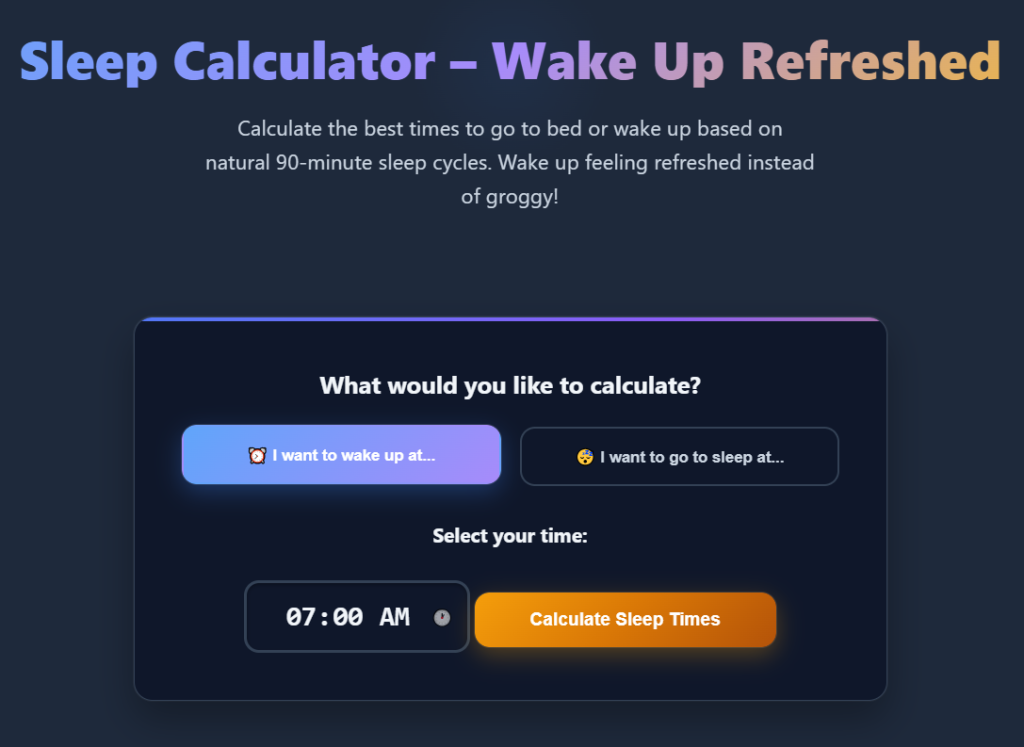
Try out our Sleepy Clock today.
Step 2: Crafting a Science-Backed Bedtime Routine
Routine is everything when it comes to resetting your circadian rhythm.
- Go to bed and wake up at the same time daily, even on weekends.
- Incorporate wind-down rituals such as light stretching, journaling, or reading.
- Avoid heavy meals, alcohol, or caffeine within 3–4 hours of bedtime.
- Consider sleep teas (chamomile, valerian root, lavender) to promote relaxation.
Step 3: Leveraging Sleep Technology in 2025
Technology is no longer the enemy of sleep—it can now enhance it.
1. Smart Sleep Trackers
Devices like the Oura Ring, WHOOP Band, and advanced smartwatches provide real-time insights into sleep stages, heart rate variability, and oxygen levels.
2. AI-Powered Sleep Coaching
AI-driven apps offer personalized sleep optimization plans by analyzing your habits, stress levels, and environment.
3. Smart Beds & Mattresses
Modern smart beds adjust firmness, track breathing patterns, and regulate temperature automatically.
4. Wearable Light Therapy
Light therapy glasses and lamps can help regulate melatonin production and fight insomnia or jet lag.

Step 4: Nutrition for Restorative Sleep
What you eat directly impacts how well you sleep.
Best Foods for Sleep
- Tryptophan-rich proteins: turkey, chicken, eggs
- Magnesium-rich foods: bananas, almonds, spinach
- Complex carbs: oatmeal, sweet potatoes
- Herbal teas: chamomile, passionflower, lemon balm
Foods & Drinks to Avoid
- Caffeine after 2 PM
- Sugary snacks close to bedtime
- Alcohol, which disrupts REM sleep
Step 5: Managing Stress and Mental Health
Stress and anxiety are the top sleep killers in modern society. In 2025, mental health practices are more critical than ever.
- Practice mindfulness meditation before bed.
- Use guided breathing exercises to calm your nervous system.
- Write down a “worry list” earlier in the evening to clear racing thoughts.
- Seek professional support if chronic insomnia or mental health struggles persist.
Step 6: Exercise and Sleep Synergy
Physical activity improves both sleep quality and duration.
- Engage in moderate exercise (yoga, walking, cycling) at least 30 minutes daily.
- Avoid intense workouts right before bedtime—they raise adrenaline and body temperature.
- Morning and afternoon workouts are best for regulating circadian rhythm.
Step 7: The Role of Supplements in Sleep Optimization
While supplements are not magic pills, some can enhance sleep when used responsibly.
- Melatonin: Best for jet lag or temporary sleep disruptions.
- Magnesium glycinate: Helps relax muscles and calm the nervous system.
- L-theanine: Promotes relaxation without drowsiness.
- Valerian root: Natural herb shown to improve sleep quality.
Always consult a healthcare provider before adding supplements to your routine.
Step 8: Long-Term Sleep Reset Strategies
Fixing your sleep is not about quick hacks—it’s about sustainable change.
- Regularly assess your sleep environment and habits.
- Make gradual improvements instead of drastic overnight changes.
- Stay consistent for at least 3–4 weeks to allow your body to adapt.
Conclusion: Building a Future of Restful Nights
Sleep is the foundation of health, performance, and longevity. In 2025 and beyond, fixing your sleep means adopting a holistic strategy—from creating the right environment, building healthy routines, leveraging technology, eating right, managing stress, and optimizing recovery.
By following these steps, we not only improve the quality of our nights but also transform the quality of our days. True success begins with sleep, and the future of well-being depends on how well we prioritize it.