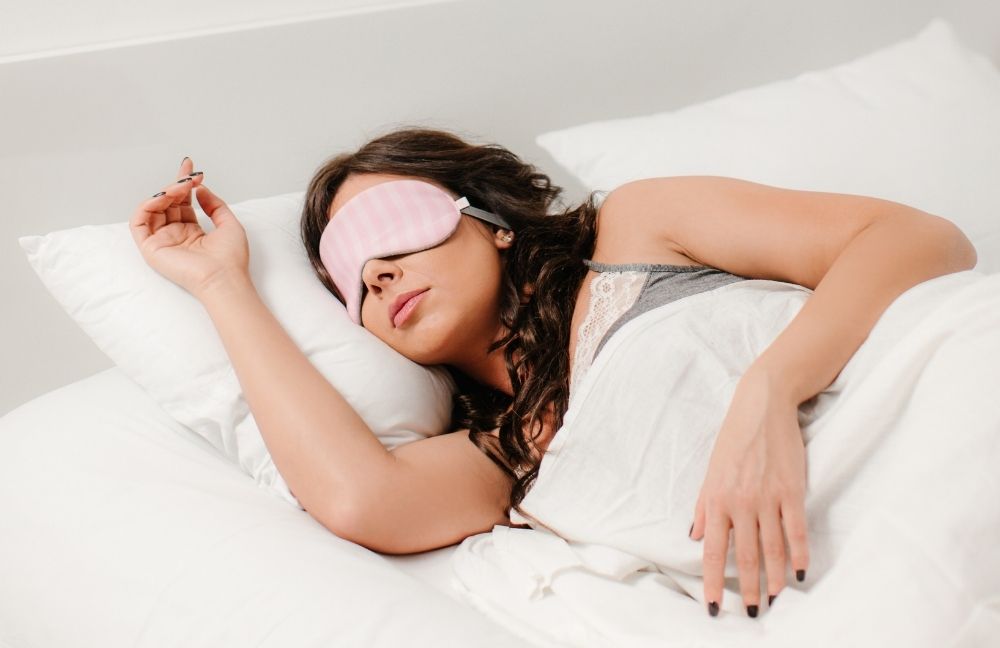
There’s nothing more frustrating than landing in a new country, ready to explore or present in an important meeting, only to find yourself wide awake at 3 a.m. or struggling to keep your eyes open at noon. Timezone changes mess with our natural sleep patterns—but with the right strategies, you can adapt faster and enjoy your trip to the fullest.
What Happens When You Change Timezones?
When you travel across multiple time zones, your body’s internal clock—or circadian rhythm—falls out of sync with local time. This leads to jet lag, which can cause:
- Difficulty falling asleep
- Waking up too early
- Daytime sleepiness and fatigue
- Trouble focusing
It’s like your body is still “living” in your home timezone while your environment insists otherwise.
The Science Behind Sleep and Timezones
Our bodies rely on melatonin, a natural hormone that signals when it’s time to sleep. When you cross timezones, the release of melatonin doesn’t immediately adjust.
Matthew Walker, author of Why We Sleep, notes that humans can only adapt by about one hour per day. That means if you fly across six time zones, it may take nearly a week for your body to fully catch up.
Traveling eastward (where time jumps ahead) is tougher than traveling westward, since our internal clocks naturally run a little longer than 24 hours.
Preparing Before You Travel
The best way to handle timezone shifts is to prepare before you board the plane.
- Shift your sleep schedule: Go to bed and wake up earlier or later depending on your destination.
- Adjust your meals: Start eating at the times you’ll be eating in the new location.
- Change your watch: Mentally remind yourself of the new local time to get ahead of the adjustment.
Smart Travel Day Strategies
Your travel day can make or break your adjustment.
- Choose flight times wisely – overnight flights can make the transition easier.
- Stay hydrated – airplanes dry you out, and dehydration worsens fatigue.
- Avoid alcohol and caffeine – they disrupt sleep and leave you restless.
Melatonin and Other Sleep Aids
For many travelers, melatonin supplements can help speed up adjustment. They don’t force you to sleep but signal your body that it’s time to rest.
Other helpful aids include:
- Chamomile or valerian root tea
- A quality sleep mask
- Noise-canceling earplugs or headphones
The Power of Light Exposure
Light is your body’s most powerful signal for resetting its clock.
- Seek morning sunlight when you arrive—it helps your body recognize it’s “morning” now.
- Dim lights in the evening—this signals to your body it’s time to wind down.
- Avoid screens at night—blue light from devices tricks your brain into thinking it’s daytime.
Stay Awake Instead of Forcing Sleep
If you arrive and it’s daytime, resist the urge to crawl into bed. Staying awake until night makes your body reset more quickly. Think of it like pressing the reset button—it’s tough at first, but it pays off.
Traveling East vs. Traveling West
- Eastbound travel – harder, since you “lose” hours and need to sleep earlier than your body is used to. Solution: gradually sleep earlier before traveling.
- Westbound travel – easier, since you “gain” hours, making the day longer. Solution: stay active and use natural light to stay awake.
Creating the Perfect Sleep Environment Abroad
Hotels and rentals vary, so come prepared.
- Blackout masks help block early sunrise.
- Earplugs silence noisy neighbors or city sounds.
- Travel pillow or blanket adds comfort if the bed isn’t ideal.
Movement and Exercise
Exercise helps reset your body, but timing matters.
- Stretch or do yoga before bed to relax.
- Walk outdoors in the morning to fight fatigue.
- Avoid heavy workouts late at night, as they boost alertness.
Eating for Better Sleep in a New Timezone
Food can either help or hurt your sleep.
- Eat light, balanced meals before bed.
- Avoid heavy, spicy, or sugary foods late at night.
- Sync your meal times with the new local schedule.
Dealing With Short Trips
If your trip is only 2–3 days, it might not make sense to fully adjust. Instead:
- Stick to your home schedule if possible.
- Use naps strategically.
- Focus on staying hydrated and relaxed.
Managing Sleep When Traveling for Work
Traveling for business? Don’t stress if you can’t sleep perfectly the night before. Everyone understands jet lag.
- Keep presentations simple and avoid overloading yourself.
- Be open about needing rest before making big decisions.
- Remember: showing up energized is less important than being present and adaptable.
Mindset and Stress Management
The more you stress about sleep, the harder it becomes.
- Breathe deeply or try meditation before bed.
- Don’t lie awake tossing and turning—get up, read a book, or stretch until you feel sleepy.
- Remind yourself that one bad night won’t ruin your trip.
Conclusion
Adapting to a new timezone is never effortless, but with preparation, light management, and a little discipline, you can cut the adjustment time in half. The key is to stay flexible, stay patient, and use every trick available to help your body catch up. Whether it’s a vacation or a business trip, you’ll be rested enough to enjoy the experience.
FAQs
1. How long does it take to adjust to a new timezone?
On average, your body adjusts by about one hour per day. A 6-hour shift can take almost a week to fully adjust.
2. Should I use melatonin every night when I travel?
Not necessarily—melatonin is best used for the first few nights to help your body shift.
3. Is it better to nap when I’m tired or push through?
Short naps (20–30 minutes) can help, but avoid long naps that make nighttime sleep harder.
4. Do eastbound and westbound flights affect sleep differently?
Yes, eastbound flights are harder because you “lose” hours. Westbound flights feel easier because your day extends.
5. Should I adjust if I’m only traveling for 2–3 days?
Not always—it’s sometimes easier to stay on your home schedule for short trips.