Tossing and turning. Counting sheep. Being pulled out of a deep slumber by a snoring partner, a rumbling garbage truck, or a noisy neighbor. If this sounds familiar, you’re not alone. Millions of people struggle with noise-disrupted sleep, leading to fatigue, irritability, and long-term health consequences. While earplugs have been the traditional solution, they often fall short against low-frequency rumbles or can be uncomfortable to wear all night.
Enter a powerful piece of modern technology: noise cancelling headphones. Once the sole domain of travelers and audiophiles, they are now being recognized as a potential game-changer for sleep. But can you really sleep with headphones on? Are they safe? And which ones are best for you? This comprehensive guide will delve into the science, technology, and practicalities of using noise cancelling headphones to reclaim your right to a peaceful night’s sleep.
Why Silence is Golden for Sleep: The Science of Noise Disruption
To understand why noise cancelling headphones can be so effective, we must first understand how noise interferes with our sleep. Sleep isn’t a simple on/off switch for the brain; it’s a complex journey through different stages, each crucial for physical restoration, memory consolidation, and emotional regulation.
How Nighttime Noise Sabotages Your Sleep Cycles
Even if you don’t fully wake up, noise can have a profoundly disruptive effect. Your brain continues to process sounds during sleep. Sudden or loud noises—a door slamming, a dog barking—can trigger a micro-arousal, a brief shift from a deeper stage of sleep (like Slow-Wave Sleep or REM) to a lighter one. This fragments your sleep architecture, preventing you from spending adequate time in the most restorative stages. Consistent sleep fragmentation leads to you waking up feeling unrefreshed, even if you’ve been in bed for eight hours. It’s not just about loud noises; even consistent low-level traffic noise has been linked to increased stress hormones and reduced sleep quality.
The Difference Between Masking and Cancelling Sound
This is the critical distinction. Traditional methods like white noise machines or earplugs work on the principle of masking or blocking. A white noise machine creates a consistent, soothing sound that makes sudden noises less jarring by reducing the contrast between background sound and the disruptive noise. Earplugs physically block the ear canal, passively attenuating sound waves.
Active Noise Cancellation (ANC), however, is a proactive technology. It uses tiny microphones on the headphones to pick up incoming ambient sound waves. Then, it generates a sound wave that is the exact opposite (the “anti-noise”) and feeds it into your ears. When these two waves meet, they cancel each other out through a process called destructive interference. This is exceptionally effective for constant, low-frequency droning sounds like airplane engines, air conditioners, or traffic hum—precisely the sounds that often disrupt sleep.
Beyond Earplugs: The Active Solution for a Noisy World
While effective for some, earplugs can cause pressure, discomfort, and even ear infections with prolonged use. They also struggle with low-frequency noise. ANC headphones address the problem at the source, electronically erasing the offending sound before it even reaches your eardrum. This allows for a much more serene auditory environment, whether you use them in silence or pair them with soothing audio.
Not All Headphones Are Created Equal: Types for Sleepers
You can’t just use any pair of headphones for sleep. Comfort, size, and design are paramount. The best choice for you depends heavily on your preferred sleeping position.
Over-Ear Headphones: Maximum Cancellation for Back Sleepers
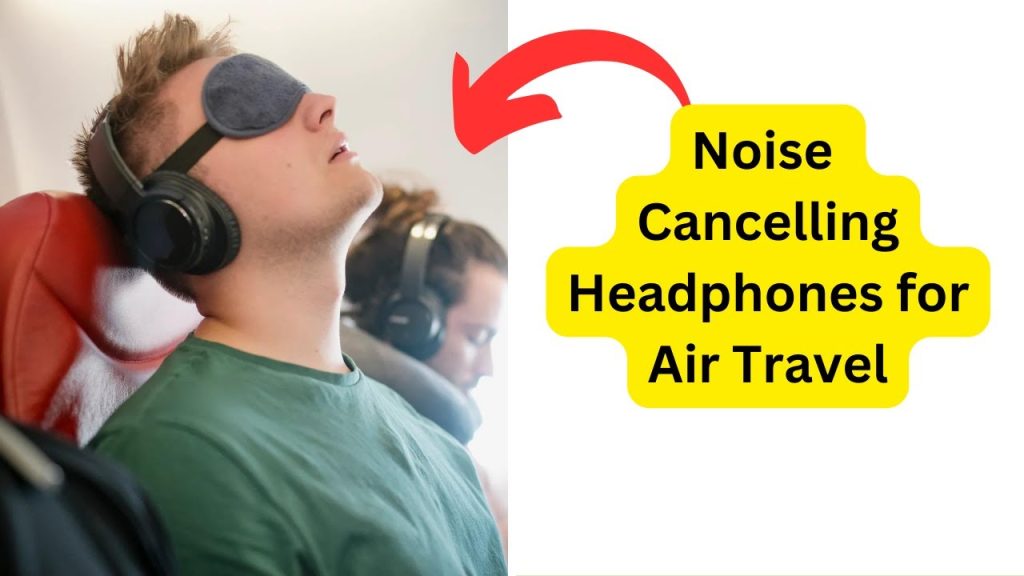
If you are a back sleeper, standard over-ear headphones can be an excellent option. Models from Bose, Sony, and Apple offer the most powerful Active Noise Cancellation on the market. They create a perfect seal around your ear, providing unparalleled silence.
Pros:
- Top-tier ANC performance.
- Highest audio fidelity for listening to music or soundscapes.
- Long battery life.
Cons:
- Bulky and impractical for side or stomach sleepers.
- Can be warm during summer months.
- Higher price point.
Sleep-Specific Headbands: The Ultimate Choice for Side Sleepers
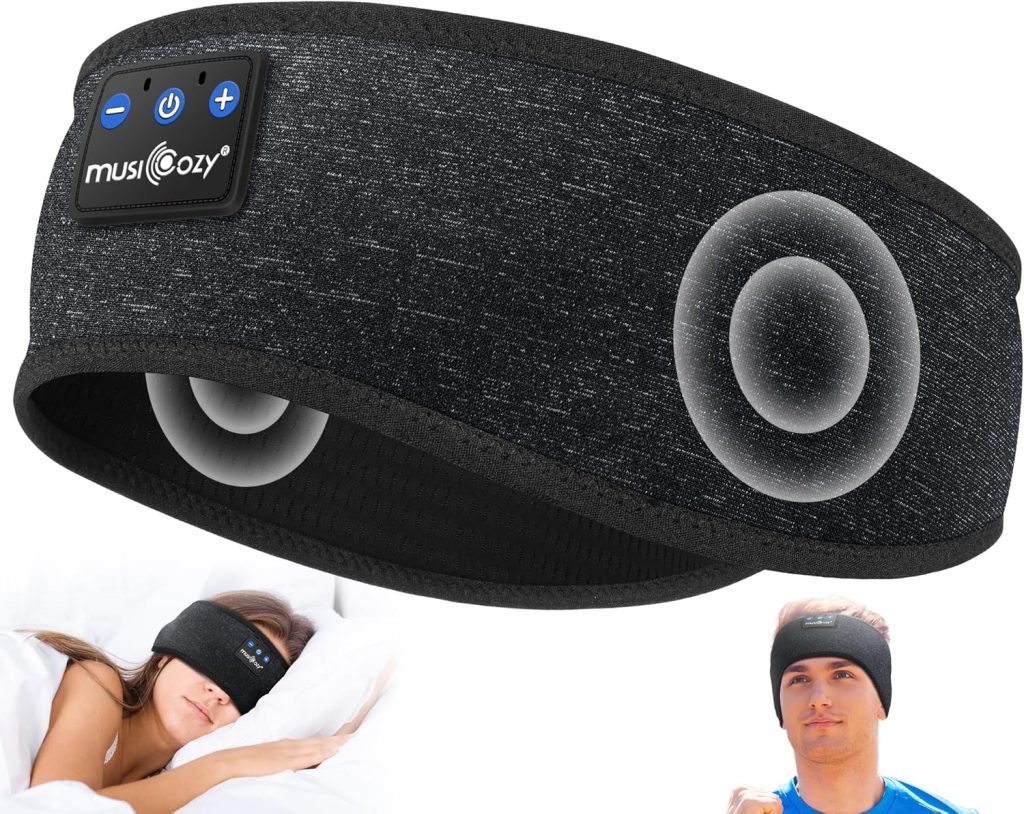
This category has exploded in popularity for a simple reason: they solve the comfort problem. Companies like AcousticSheep pioneered the concept with their SleepPhones—a soft, stretchy fleece or athletic fabric headband with thin, flat speakers sewn in. You get high-quality audio without having hard plastic or metal pressing into your skull or pillow.
Pros:
- Extremely comfortable for all sleeping positions, especially side sleepers.
- Often double as an eye mask.
- Wireless models offer good freedom of movement.
- Generally more affordable than premium over-ear models.
Cons:
- They rely more on passive sound blocking from the fabric than active cancellation (though ANC headband models are emerging).
- Audio quality, while good, is not typically on par with high-end over-ear headphones.
True Wireless Earbuds (TWS): Pros, Cons, and Safety Considerations
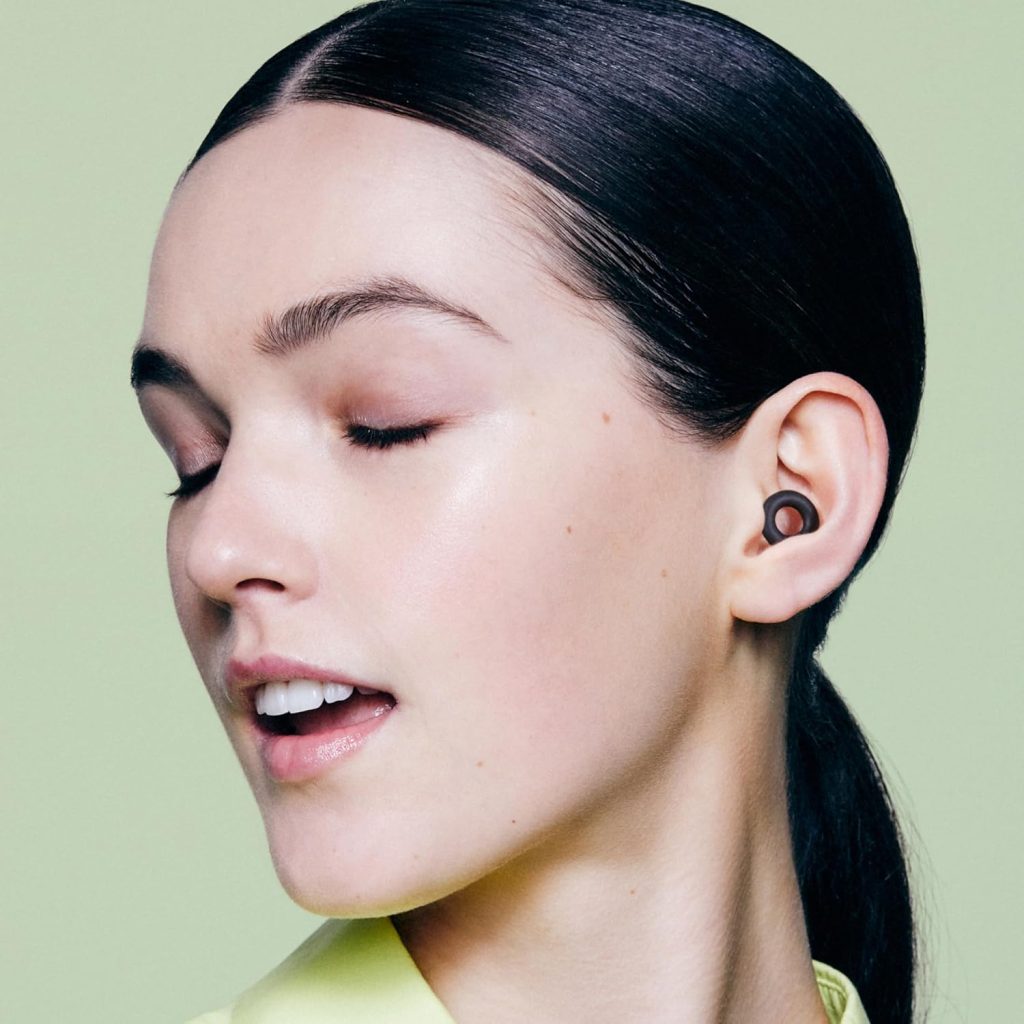
Small, low-profile TWS earbuds like the Anker Soundcore Sleep A20 or Bose Sleepbuds II (though discontinued, their concept lives on) are designed specifically for sleep. They are tiny, sit flush in your ear, and often come with curated libraries of soothing sounds.
Pros:
- Very discreet and comfortable for most positions.
- Often come with dedicated apps for sleep sounds and alarms.
- Charging cases provide multiple nights of power.
Cons:
- The biggest concern is safety; there’s a risk of them becoming lodged deep in the ear canal if they shift overnight (though modern sleep buds are designed with wingtips to prevent this).
- Battery life per charge is shorter than other options.
- Can be easy to lose in bedding.
Top Features to Look for in Sleep Headphones (2025 and Beyond)
When shopping for headphones with sleep in mind, move beyond general specs and focus on these critical features.
Active vs. Passive Noise Cancellation (ANC vs. PNC) for Sleep
Understand what you need:
- Active Noise Cancellation (ANC): Essential for canceling out consistent, low-frequency environmental noise (e.g., traffic, snoring, AC unit). If this is your primary disruptor, prioritize ANC.
- Passive Noise Cancellation (PNC): This is simply the physical blocking of sound by the headphone’s materials. This is what headband headphones and earplugs rely on. It’s better for higher-frequency sounds. Many of the best solutions use a combination of both.
Battery Life and Low-Power Modes for All-Night Use
There’s nothing worse than your headphones dying at 3 a.m. Look for models that promise at least 10 hours of continuous use on a single charge—enough to cover a full night’s sleep. Many modern devices, like the Anker Sleep A20, have incredibly efficient low-power modes that only play pre-downloaded white noise or nothing at all (just ANC), drastically extending battery life far beyond their rated music-playback time. A charging case that holds multiple additional charges is a huge bonus.
Comfort and Materials: Hypoallergenic and Breathable Options
Comfort is king. You will be wearing these for 6-9 hours straight. Look for:
- Weight: Lighter is always better.
- Materials: Soft, breathable, and washable fabrics like moisture-wicking athletic material or gentle fleece. For earbuds, hypoallergenic silicone tips are a must.
- Pressure: Over-ear models should have a comfortable clamp force. Headbands should be stretchy without being tight.
The Best Noise Cancelling Headphones for Sleep in 2025
Based on the criteria above, here are our top picks across categories for 2025.
Best Overall for Side Sleepers: AcousticSheep SleepPhones
A consistent favorite for over a decade, AcousticSheep has refined its formula. The wireless SleepPhones offer incredible comfort with their flat speakers and soft, washable headband. While their ANC is less powerful than over-ear models, the combination of the physical barrier of the headband and the audio you play through them makes them the most practical and comfortable solution for the majority of people, especially side sleepers. They offer multiple fabric weights for different climates.
Best Premium Over-Ear Option: Bose QuietComfort Ultra Headphones
For back sleepers who demand the absolute best noise cancellation, the Bose QuietComfort Ultras are arguably the kings. Their ANC is computationally advanced, effectively neutralizing even irregular nighttime noises. Their “Quiet” mode is specifically designed for maximum silence without any audio playback. The ear cups are plush and deep, reducing pressure on the ears. The battery life is more than sufficient for a full night, making them a top-tier, if expensive, choice for those who can sleep on their backs.
Best Budget-Friendly Sleep Buds: Anker Soundcore Sleep A20
Anker’s Soundcore line has disrupted the audio market, and their dedicated sleep buds are no exception. The Sleep A20s are a fantastic value. They are small, comfortable, and stay securely in place with their wingtips. They feature adaptive ANC to block out disturbances and a library of soothing sounds. Their standout feature is a battery case that provides an astounding 80 hours of total battery life, meaning you only need to charge the case once a week. For those wanting to try the TWS sleep bud experience without a massive investment, these are the ones to get.
| Model | Type | Key Feature for Sleep | Battery Life (Hours) | Approx. Price (2025) |
|---|---|---|---|---|
| AcousticSheep SleepPhones | Headband | Ultra-thin, flat speakers | 13 | $120 |
| Bose QuietComfort Ultra | Over-Ear | Industry-leading ANC & “Quiet” Mode | 24 (ANC on) | $429 |
| Anker Soundcore Sleep A20 | TWS Buds | Compact, Sleep Monitoring | 10 (buds) + 80 (case) | $130 |
| Sony WH-1000XM6 | Over-Ear | Exceptional Comfort & ANC | 30 (ANC on) | $399 |
| Musicozy 2.0 | Headband | Affordable & Washable | 10 | $40 |
How to Use Headphones for Sleep Safely and Effectively
Technology is only a tool; how you use it determines its effectiveness.
Setting the Right Volume Limit to Protect Your Hearing
This is the most critical safety tip. Listen at the lowest possible volume that is effective at masking residual noise. Most smartphones and dedicated devices allow you to set a volume limit in the settings. Experts recommend keeping volume under 60% of the maximum and for no longer than 8 hours. Since you’re using them for sleep, you should aim for much lower—often 30-40% is plenty when combined with noise cancellation. The goal is to create silence, not to blast music.
What to Listen To: White Noise, Pink Noise, and ASMR
What you play through your headphones can enhance the noise-cancelling effect.
- White Noise: Contains all frequencies at equal power. It’s a harsh “sssssh” sound that is effective at masking but can be irritating to some (e.g., static, a fan).
- Pink Noise/Brown Noise: Deeper and more soothing than white noise. Pink noise (like steady rain) and brown noise (like a low rumble) are better at masking lower-frequency sounds and have been linked in studies to more stable deep sleep.
- ASMR: Autonomous Sensory Meridian Response triggers a relaxing, tingling sensation in some people through soft sounds and whispers. It’s highly individual but can be powerfully sleep-inducing for its enthusiasts.
- Nothing: Don’t underestimate the power of pure, active noise cancellation alone. The absence of sound can be the most powerful sedative of all.
Establishing a Routine: Integrating Headphones into Your Sleep Hygiene
Your headphones should be part of a wider wind-down routine. Put them on 20-30 minutes before you intend to sleep. Use this time to listen to a calming podcast, a sleep story, or soothing sounds. This signals to your brain that it’s time to switch off. Combining this technology with other good sleep hygiene practices—a cool, dark room, avoiding screens, and a consistent bedtime—creates a powerful synergy for optimal sleep.
Addressing Common Concerns and FAQs
Are Sleeping with Headphones On Bad for Your Ears?
When used responsibly, the risks are minimal. The primary concerns are:
- Volume: As discussed, keeping volume low eliminates the risk of noise-induced hearing damage.
- Pressure & Hygiene: Over-ear models should be comfortable. Earbuds should be clean. Proper hygiene is crucial to prevent ear infections. Clean your headphones regularly according to the manufacturer’s instructions.
- Earwax Buildup: Wearing earbuds every night can potentially push earwax deeper into the ear canal. It’s advisable to take breaks and ensure you are cleaning your ears properly (without using Q-tips inside the canal).
Can I Wear Them All Night? Battery and Overheating Myths Debunked
Modern electronics are designed with safety in mind. The risk of a lithium-ion battery overheating while in use, especially at low power, is extremely low if you are using a reputable brand’s product. The battery drain of playing simple audio or just ANC is minimal and generates very little heat. The bigger practical issue is battery life—ensure your device is charged enough to last the night. There is no evidence to suggest the minimal electromagnetic fields from Bluetooth headphones pose any health risk.
How to Keep Them Clean and Hygienic for Regular Use
Hygiene is non-negotiable. For headbands: choose a washable model and wash it weekly according to instructions. For over-ear headphones: use a soft, dry cloth to wipe down the ear cups and headband regularly. A slightly damp cloth with a tiny bit of soap can be used on non-electronic surfaces. For earbuds: regularly remove the silicone tips and wipe them down with a cloth dampened with rubbing alcohol. Let them dry completely before reattaching. Keep the charging case clean.
In conclusion, noise cancelling headphones are not a gimmick; they are a sophisticated and highly effective tool for combating one of the most common enemies of good sleep: noise. By choosing the right type for your sleeping style, using them safely and wisely, and integrating them into a healthy bedtime routine, you can electronically silence the outside world and open the door to deeper, more restorative, and uninterrupted sleep.