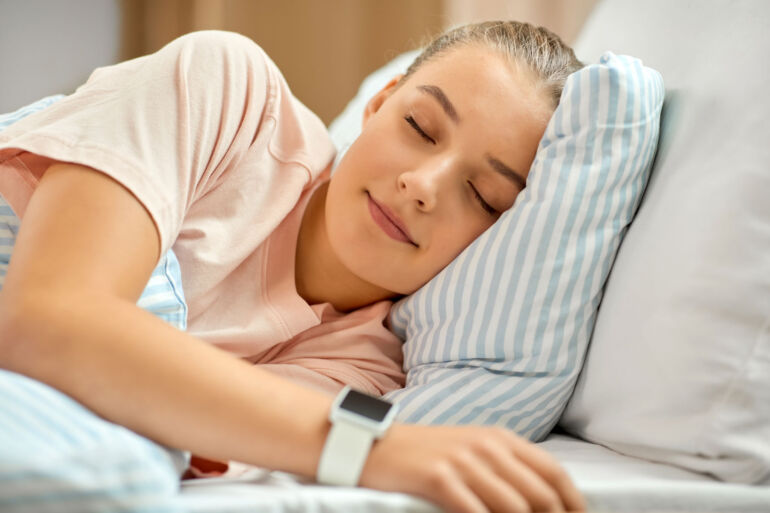
Sleep apnea is often considered an adult condition, especially among middle-aged or older individuals. However, teenagers are not immune to it. In fact, sleep apnea in adolescents is a growing health concern that can significantly impact school performance, behavior, mood, and long-term health. Many parents and even teenagers themselves wonder: Can you be too young to have sleep apnea?
The truth is—sleep apnea can affect people of all ages, including teenagers. While the causes, symptoms, and treatments may look slightly different from adults, understanding teenage sleep apnea is crucial for early diagnosis and proper management.
In this comprehensive guide, we’ll explore:
- What sleep apnea is and how it appears in teenagers
- Common causes and risk factors in adolescents
- Signs and symptoms parents and teens should watch for
- Diagnosis and screening
- Available treatment options (medical and lifestyle-based)
- Long-term effects of untreated teenage sleep apnea
- Tips for prevention and better sleep hygiene
What is Sleep Apnea?
Sleep apnea is a sleep disorder where breathing repeatedly stops and starts during sleep. These pauses in breathing can last from a few seconds to over a minute and may occur dozens or even hundreds of times per night. Each pause disrupts normal sleep cycles and prevents the body from getting deep, restorative sleep.
There are three main types of sleep apnea:
- Obstructive Sleep Apnea (OSA) – The most common type. It occurs when the throat muscles relax and block the airway.
- Central Sleep Apnea (CSA) – Less common, caused by the brain failing to send proper signals to the muscles that control breathing.
- Mixed Sleep Apnea – A combination of both OSA and CSA.
In teenagers, OSA is by far the most common.
Can Teenagers Get Sleep Apnea?
Yes, absolutely. Teenagers can and do suffer from sleep apnea. Studies estimate that 2–5% of children and teenagers experience sleep apnea, though the numbers may be higher due to underdiagnosis.
While most people associate sleep apnea with adults who are overweight or middle-aged, teens can develop it for various reasons, such as enlarged tonsils, obesity, or genetic predisposition.
Key takeaway: Sleep apnea is not just an adult condition. Teens can be affected too, and early diagnosis is critical.
Causes of Sleep Apnea in Teenagers
Several factors increase the likelihood of developing sleep apnea during adolescence:
1. Enlarged Tonsils and Adenoids
One of the leading causes in teens is enlarged tonsils or adenoids. These tissues, located in the back of the throat, can obstruct the airway during sleep.
2. Obesity and Weight Gain
Excess body weight is a major risk factor. Fat deposits around the neck and airway make it easier for the airway to collapse while sleeping. Given that adolescence is a time when many teens struggle with weight gain, this factor is becoming increasingly common.
3. Hormonal Changes in Adolescence
Puberty brings hormonal shifts that can affect sleep patterns, muscle tone, and even breathing stability.
4. Genetics and Family History
A family history of sleep apnea increases the chances of a teen developing it. Genetic factors can influence airway structure, tongue size, and susceptibility to obesity.
5. Craniofacial Structure
Teens with smaller jaws, high-arched palates, or other structural airway issues may be more prone to airway blockage.
6. Allergies and Asthma
Respiratory conditions that cause nasal congestion or swelling can worsen breathing problems during sleep.
7. Lifestyle Factors
Poor sleep hygiene, use of electronics before bed, and irregular sleep schedules can worsen sleep-disordered breathing.
Symptoms of Sleep Apnea in Teenagers
Recognizing symptoms in teens can be tricky because they often differ from adults. Adults usually report loud snoring and daytime fatigue, but teenagers may show symptoms that mimic ADHD, depression, or general irritability.
Common Symptoms to Watch For:
- Loud, persistent snoring (not always present)
- Pauses in breathing during sleep (observed by parents/siblings)
- Restless sleep or frequent tossing and turning
- Night sweats or bedwetting in some cases
- Daytime sleepiness despite getting enough hours of sleep
- Morning headaches
- Difficulty waking up in the morning
- Mood swings, irritability, or depression
- Trouble focusing at school, poor academic performance
- Hyperactivity (sometimes misdiagnosed as ADHD)
Important: If your teen snores regularly, it’s worth discussing with a doctor, as not all snoring is harmless.
Sleep Apnea and Teen Behavior
One of the biggest concerns with teenage sleep apnea is how it affects behavior and academics. Because poor sleep disrupts concentration and memory, teens with untreated sleep apnea may:
- Struggle to focus in class
- Become easily frustrated or aggressive
- Show declining grades
- Have increased risk of depression or anxiety
- Engage in risky behaviors due to fatigue
Parents often overlook sleep apnea as a cause of these issues, assuming they’re “just normal teenage behavior.” However, improving sleep quality can dramatically improve a teen’s mood and school performance.
How Sleep Apnea is Diagnosed in Teenagers
If you suspect your teen has sleep apnea, the next step is medical evaluation.
Diagnostic Process:
- Medical History and Physical Exam – A doctor reviews symptoms, sleep habits, and any family history. They may check tonsil size and weight.
- Sleep Study (Polysomnography) – The gold standard. This overnight test monitors breathing, oxygen levels, heart rate, brain waves, and sleep stages.
- Home Sleep Test – In some cases, doctors may recommend at-home monitoring, though it’s less detailed than a full sleep study.
Early diagnosis is key to preventing long-term complications.
Treatment Options for Teenage Sleep Apnea
Treatment depends on the cause and severity of the condition. Here are the most common approaches:
1. Lifestyle Changes
- Weight loss (if obesity is a factor)
- Establishing a consistent sleep routine
- Limiting screen time before bed
- Sleeping on the side instead of the back
2. Tonsillectomy and Adenoidectomy
If enlarged tonsils or adenoids are the main cause, surgical removal often provides dramatic improvement or complete resolution of sleep apnea.
3. Continuous Positive Airway Pressure (CPAP) Therapy
CPAP involves wearing a mask that provides steady airflow to keep airways open during sleep. While it can be challenging for teens to adapt, it’s highly effective.
4. Oral Appliances
Dentists may recommend custom-made devices that reposition the jaw or tongue to keep the airway open.
5. Medications
Allergy or asthma medications can help if nasal congestion contributes to airway obstruction.
6. Orthodontic Treatment
Expanding the palate or correcting jaw alignment through orthodontics can improve airflow.
Long-Term Risks of Untreated Sleep Apnea in Teenagers
Ignoring sleep apnea during adolescence can lead to serious consequences, including:
- Poor academic performance
- Behavioral problems and mood disorders
- Increased risk of obesity and metabolic issues
- High blood pressure and cardiovascular problems later in life
- Reduced quality of life
Since teenage years are critical for brain development and growth, untreated sleep apnea can have lifelong effects.
Prevention and Healthy Sleep Tips for Teens
While not all cases can be prevented, adopting good sleep hygiene reduces risk and improves outcomes.
- Maintain a consistent sleep schedule (even on weekends)
- Aim for 8–10 hours of sleep per night
- Limit caffeine, especially in the evening
- Create a screen-free wind-down routine before bed
- Keep bedrooms cool, dark, and quiet
- Encourage physical activity during the day
- Address allergies or nasal issues early
When to See a Doctor
Parents should seek medical advice if their teenager:
- Snores loudly most nights
- Pauses breathing during sleep
- Struggles with excessive daytime sleepiness
- Shows unexplained mood changes, hyperactivity, or declining grades
The earlier sleep apnea is identified, the easier it is to treat and the better the outcome.
Final Thoughts
So, can you be too young to have sleep apnea? The answer is no. Teenagers can absolutely develop sleep apnea, and when left untreated, it can seriously affect their health, mood, and future. Recognizing the signs, seeking medical help, and following through with treatment can completely transform a teenager’s quality of life.
Sleep apnea in teens is often misunderstood or overlooked, but awareness is the first step toward better sleep and better health.