
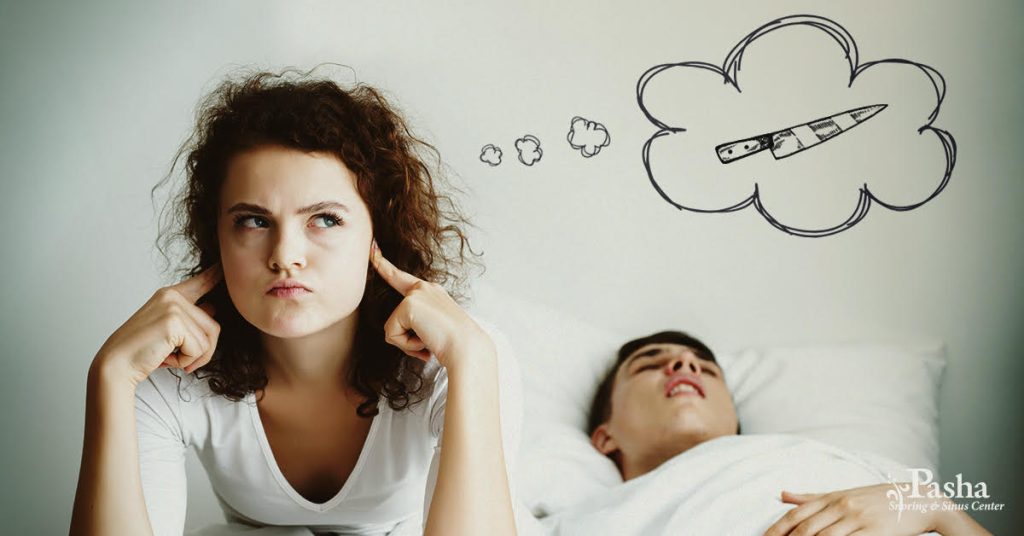
Snoring is more than just a nighttime nuisance; it can be a sign of disrupted sleep and a potential indicator of underlying health issues. If you or your partner snore, you’re not alone—over 900 million people worldwide suffer from it. This comprehensive guide, updated for 2024, cuts through the noise to bring you the latest science, expert insights, and actionable solutions to help everyone in the household achieve quieter, more restorative sleep.
Jump to Section:
- What is Snoring?
- Common Causes of Snoring
- Lifestyle Changes to Reduce Snoring
- Effective Anti-Snoring Devices
- Medical Treatments & When to See a Doctor
- Frequently Asked Questions
What is Snoring? The Science Behind the Sound
Snoring occurs when the flow of air through your mouth and nose is physically obstructed while you sleep. As you breathe in and out, the relaxed tissues in your throat—including the soft palate, uvula, tonsils, and tongue—vibrate against each other. This vibration produces the familiar, often disruptive, rattling sound.
It’s crucial to understand the difference between primary snoring and snoring linked to sleep apnea:
- Primary Snoring: Loud, frequent snoring that is not associated with breathing interruptions or excessive daytime sleepiness.
- Sleep Apnea (Obstructive Sleep Apnea – OSA): A serious sleep disorder where breathing repeatedly stops and starts throughout the night. Loud, chronic snoring is a primary symptom of OSA. We will discuss this critical distinction in more detail later.
What Causes Snoring? Identifying Your Triggers
Snoring is rarely caused by one single factor. It’s usually a combination of several. Understanding your personal triggers is the first step to finding a solution.
| Cause | Explanation & Impact |
|---|---|
| Anatomy | A naturally narrow airway, enlarged tonsils/adenoids, a long soft palate, or a deviated septum can all predispose you to snore. |
| Age | As we get older, our throat becomes narrower and muscle tone decreases. |
| Weight | Being overweight, especially around the neck, puts extra pressure on the airway, narrowing it and increasing the likelihood of collapse. |
| Nasal Problems | Chronic congestion from allergies, a cold, or a sinus infection can block nasal passages, forcing you to breathe through your mouth. |
| Alcohol & Sedatives | These substances relax throat muscles more than usual, leading to significantly louder and more frequent snoring. |
| Sleep Position | Sleeping on your back causes gravity to pull the tissues in your throat downward, directly obstructing the airway. This is the most common snoring position. |
| Sleep Deprivation | Not getting enough sleep can lead to excessive throat relaxation. |
Lifestyle Remedies & Changes to Stop Snoring
For many, simple lifestyle adjustments can make a profound difference. Try these evidence-based strategies first.
Read Also: Guide to Sleep Apnea Position Pillows: Do They Work?
1. Change Your Sleep Position
Sleeping on your side is one of the easiest and most effective fixes. To prevent rolling onto your back:
- Use a body pillow to support yourself.
- Try the “tennis ball trick”: sew a tennis ball into a pocket on the back of a pajama shirt.
2. Manage Your Weight
Losing even a small amount of weight can reduce fatty tissue in the back of the throat and decrease, or even eliminate, snoring. A 2023 study in the Journal of Clinical Sleep Medicine confirmed that weight loss remains a first-line defense against snoring and mild sleep apnea.
3. Establish Healthy Sleep Hygiene
A consistent sleep schedule helps prevent the extreme fatigue that leads to overtiredness and heavy snoring.
4. Stay Hydrated
When you’re dehydrated, secretions in your soft palate and nose become stickier, which can create more obstruction. Drink plenty of water throughout the day.
5. Avoid Alcohol Before Bed
Try to avoid alcohol for at least 3-4 hours before heading to sleep to allow its effects to wear off.
6. Clear Nasal Passages
If congestion is your issue:
- Use a saline nasal spray before bed.
- Try a neti pot or nasal irrigation system.
- Use hypoallergenic bedding and an air purifier if allergies are the culprit.
- Consider adhesive nasal strips (e.g., Breathe Right®) to help physically open nasal passages.
The Best Anti-Snoring Devices & Aids (2025 Review)
When lifestyle changes aren’t enough, a variety of devices can help.
| Device Type | How It Works | Best For |
|---|---|---|
| Mandibular Advancement Devices (MADs) | Similar to a mouthguard, it gently repositions the lower jaw and tongue forward to keep the airway open. | Mouth breathers and those with a tongue-based obstruction. |
| Tongue Stabilizing Devices (TSDs) | A splint that uses suction to hold the tongue forward, preventing it from collapsing backward. | Those who cannot use a MAD due to dental issues. |
| CPAP Machines | The gold-standard treatment for Sleep Apnea. It uses a steady stream of air through a mask to keep the airway open. | Only for diagnosed Obstructive Sleep Apnea. |
| Positional Therapy Wearables | Wearable devices that gently vibrate when you roll onto your back, prompting you to change position without waking you. | Positional snorers who can’t stay on their side. |
Important: While many MADs are available over-the-counter, it’s always best to consult with a dentist or doctor for a custom-fit or recommended device to avoid jaw pain or damage.
Medical Treatments and When to See a Doctor
This is the most critical section. You must see a doctor if you or your partner notices any of these red flags:
- Snoring that is interrupted by pauses, gasps, or choking sounds.
- Excessive daytime sleepiness, irritability, or morning headaches.
- Witnessed episodes where you stop breathing during sleep.
- Difficulty concentrating or memory issues.
These are classic signs of Obstructive Sleep Apnea (OSA), a condition linked to high blood pressure, heart disease, stroke, and type 2 diabetes.
A doctor may recommend a sleep study (either in a lab or at home) to diagnose OSA. Medical treatments include:
- Surgery: Procedures like Uvulopalatopharyngoplasty (UPPP) or Septoplasty are options for specific anatomical issues but are typically considered only after other treatments have failed.
- Palatal Implants: A less invasive procedure where tiny rods are inserted into the soft palate to stiffen it and reduce vibration.
- CPAP Therapy: As mentioned, this is the primary and most effective medical treatment for moderate to severe OSA.
Frequently Asked Questions (FAQ)
Q: Is snoring normal?
A: Occasional, light snoring is very common, especially with a cold or after drinking alcohol. However, loud, chronic, and disruptive snoring is not “normal” and should be investigated, as it can impact sleep quality and health.
Q: How can I stop my partner from snoring?
A: Empathy is key. Approach the topic gently and focus on mutual health and rest. Suggest tracking the snoring together (using a sleep app can help) and exploring solutions as a team, starting with the lifestyle changes listed above.
Q: Are there any exercises to stop snoring?
A: Yes! “Oropharyngeal exercises” can strengthen throat muscles. These include repeating vowel sounds, tongue slides, and playing certain wind instruments like the didgeridoo (proven in studies!).
Q: Does a higher pillow help stop snoring?
A: It might. An ergonomic pillow that promotes proper spinal alignment and encourages side-sleeping can help. However, stacking pillows too high can kink the airway and make snoring worse. The goal is alignment, not extreme elevation.
Conclusion: Take Control of Your Sleep
Snoring doesn’t have to control your nights—or your relationship. By understanding the root causes and systematically trying the solutions outlined in this guide, you can find a path to quieter, healthier sleep.
Start with one or two lifestyle changes, track your progress, and don’t hesitate to seek professional medical advice if you suspect a deeper issue like sleep apnea. Your health and well-being are worth it.
At SleepingZones, our mission is to provide you with the most accurate and up-to-date sleep information. This article will be regularly reviewed and updated to reflect the latest research and product recommendations.
Sources & Further Reading:
- American Academy of Sleep Medicine (AASM)
- National Heart, Lung, and Blood Institute (NHLBI)
- Journal of Clinical Sleep Medicine (Recent studies on weight loss and snoring)
- Harvard Health Publishing – The Sound of Snoring
Disclaimer: This article is for informational purposes only and does not constitute medical advice. Always consult with a qualified healthcare provider for diagnosis and treatment of medical conditions.

