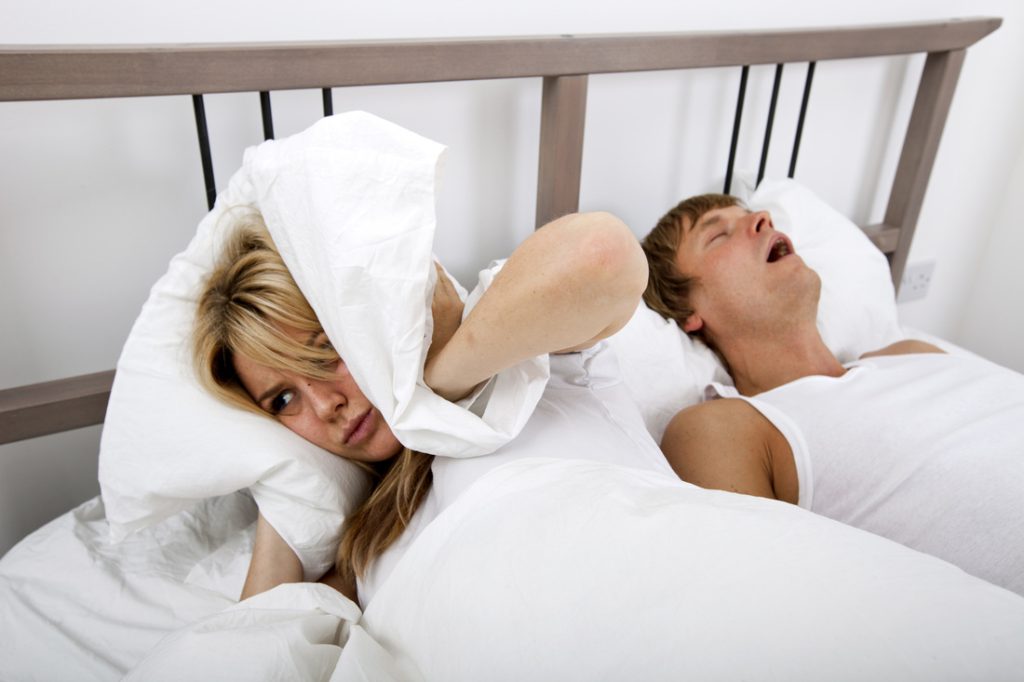
Snoring is one of those nighttime nuisances that almost everyone has experienced at some point in their lives, whether as the one producing the noise or the one lying awake beside it. While it’s often the subject of jokes and light-hearted complaints, snoring can have far-reaching effects on health, well-being, and relationships.
At its most basic, snoring is the sound produced when the flow of air through the mouth and nose is partially obstructed during sleep. This obstruction causes tissues in the upper airway to vibrate, creating the familiar rattling, rumbling, or growling noise. While an occasional snore due to a cold or allergy is usually harmless, habitual snoring is a different story.
Chronic snoring may:
- Disrupt the sleep quality of both the snorer and their partner.
- Contribute to serious health risks such as high blood pressure, heart disease, or obstructive sleep apnea (OSA).
- Cause relationship strain, resentment, or even couples sleeping in separate rooms.
This comprehensive guide will dive deep into every aspect of snoring—its causes, health risks, treatments, natural remedies, and the emotional toll it takes on couples. By the end, you’ll have a clear understanding of why snoring happens, how to stop it, and how both partners can reclaim restful sleep and healthier relationships.
Understanding the Causes of Snoring
Snoring doesn’t come from nowhere—it’s a symptom of physical or lifestyle factors that obstruct airflow during sleep. Understanding the root cause is crucial for finding the right solution.
Anatomy of the Airway
The upper airway includes the nose, soft palate, tongue, tonsils, and throat muscles. When you’re awake, muscles keep the airway open. But during sleep, muscles relax, narrowing the airway. If it becomes too narrow, airflow creates vibrations in the tissues—producing snoring.
Common Causes of Snoring
- Nasal congestion – Blockages due to colds, sinus infections, or allergies restrict airflow.
- Obesity – Excess weight, especially around the neck, adds pressure on airways.
- Alcohol consumption – Alcohol relaxes throat muscles, increasing airway collapse.
- Smoking – Irritates and inflames airway tissues, narrowing passages.
- Large tonsils or adenoids – Common in children, these obstruct airflow.
- Sleep posture – Back sleeping allows the tongue and soft palate to collapse backward.
Age and Gender Differences
- Age: Muscle tone in the throat decreases with age, making snoring more likely.
- Gender: Men snore more often than women, partly due to narrower airways and higher fat deposits around the neck.
Sleep Position
Sleeping on the back significantly increases snoring. Side sleeping reduces airway collapse and often minimizes snoring.
Health Risks Associated with Snoring
Snoring is not just a harmless inconvenience. For some, it signals deeper issues that can threaten long-term health.
Snoring vs. Sleep Apnea
Not all snorers have sleep apnea, but loud, habitual snoring paired with choking, gasping, or pauses in breathing often indicates obstructive sleep apnea (OSA)—a serious condition where airflow stops completely for seconds at a time.
Cardiovascular Risks
Chronic snoring increases the risk of:
- High blood pressure (due to oxygen deprivation).
- Heart disease and stroke (as blood vessels harden over time).
- Arrhythmias (irregular heart rhythms).
Mental Health and Cognitive Decline
Poor sleep caused by snoring leads to:
- Trouble concentrating.
- Short-term memory problems.
- Increased risk of depression and anxiety.
- Long-term risk of cognitive decline or dementia.
Reduced Quality of Life
Fatigue, irritability, and low energy plague habitual snorers. Partners also suffer—leading to a compounded effect on overall well-being.
How Snoring Affects the Snorer
The snorer is not immune to the consequences of their condition.
Interrupted Sleep Cycles
Snoring disrupts REM sleep, the most restorative phase. Without deep sleep, the body cannot fully recharge.
Fatigue and Daytime Sleepiness
Even after eight hours in bed, snorers may wake up groggy. This increases the risk of workplace errors and car accidents.
Increased Irritability
Chronic tiredness fuels mood swings, frustration, and reduced patience—further straining relationships.
Risk of Chronic Health Conditions
Snorers face elevated risks of:
- Obesity (due to disrupted hunger hormones).
- Type 2 diabetes.
- Weakened immunity.
How Snoring Affects the Partner
If you share a bed with a snorer, you know that the effects are not limited to the one making the noise.
Sleep Deprivation and Frustration
Partners lose an average of one hour of sleep per night due to snoring, leading to fatigue and poor concentration.
Emotional Impact on Relationships
Resentment builds when one partner feels deprived of rest because of the other’s condition. Over time, intimacy and closeness may suffer.
Coping Mechanisms Used by Partners
Some partners resort to:
- Earplugs.
- White noise machines.
- Sleeping in separate rooms.
When Partners Consider Separate Sleeping Arrangements
“Sleep divorce” can restore rest but may reduce intimacy and emotional bonding if communication is not prioritized.
Diagnosing Snoring Problems
Snoring may seem simple, but proper diagnosis helps distinguish between occasional harmless snoring and serious sleep disorders.
Self-Assessment Tools
Snorers and their partners can use:
- Snore diaries (logging frequency and intensity).
- Mobile apps that record snoring sounds overnight.
When to Seek Medical Advice
See a doctor if snoring is:
- Loud and persistent.
- Accompanied by choking or gasping.
- Associated with excessive daytime sleepiness.
Sleep Studies and Tests
Doctors may recommend a polysomnography (sleep study) to monitor breathing, oxygen levels, and brain activity overnight.
Role of ENT Specialists and Sleep Clinics
Ear, nose, and throat (ENT) specialists assess structural issues, while sleep clinics provide comprehensive analysis and treatment.
Lifestyle Changes to Reduce Snoring
For many, simple changes can significantly reduce or eliminate snoring.
Weight Management
Losing even 10% of body weight can reduce pressure on airways.
Avoiding Alcohol and Smoking
Alcohol relaxes throat muscles, while smoking inflames tissues. Avoiding both improves airflow.
Improving Sleep Hygiene
- Stick to consistent sleep schedules.
- Use supportive pillows.
- Ensure a comfortable mattress.
Staying Hydrated
Dry tissues vibrate more. Drinking enough water keeps airways lubricated.
Positional Therapy for Snorers
Changing sleep position can drastically reduce snoring.
How Sleeping on the Side Helps
Side sleeping prevents the tongue and soft palate from collapsing into the throat.
Devices and Pillows Designed for Snoring
- Anti-snore pillows.
- Positional belts.
- Smart wearables that vibrate when you roll onto your back.
DIY Positional Techniques
- Sewing a tennis ball into the back of pajamas to discourage back sleeping.
- Using body pillows to stay on one side.
Breathing Exercises and Therapy
Strengthening airway muscles can reduce snoring.
Strengthening Airway Muscles
Tongue and throat exercises (like pressing the tongue against the roof of the mouth) help tone muscles.
Yoga and Breathing Techniques
Yoga improves lung capacity and nasal breathing efficiency.
Vocal Exercises That Reduce Snoring
Singing or vocal training strengthens throat muscles, reducing tissue collapse.
Over-the-Counter Solutions for Snoring
Several non-prescription products are widely available.
Nasal Strips
Open nasal passages to improve airflow.
Anti-Snoring Mouthpieces
Hold the tongue or jaw in place to keep the airway open.
Chin Straps
Prevent mouth breathing, encouraging nasal breathing instead.
Humidifiers
Reduce snoring caused by dry air and irritated nasal passages.
Medical Treatments for Snoring
For chronic or severe cases, medical intervention may be necessary.
CPAP Therapy
Continuous Positive Airway Pressure (CPAP) machines keep the airway open with steady airflow.
Oral Appliance Therapy
Custom dental devices reposition the jaw or tongue.
Radiofrequency Ablation
Minimally invasive procedure that shrinks tissues blocking the airway.
Uvulopalatopharyngoplasty (UPPP)
Surgical removal of excess throat tissue to widen the airway.
Laser-Assisted Procedures
Laser surgery reduces tissue size in the throat and soft palate.
Alternative and Natural Remedies
Natural methods may provide relief for mild snoring.
Herbal Remedies
Peppermint, eucalyptus, and chamomile help reduce nasal inflammation.
Essential Oils
Lavender and tea tree oil improve relaxation and breathing.
Acupuncture and Chiropractic Methods
Some patients find relief through alternative therapies, though evidence varies.
Home Remedies from Different Cultures
From Ayurvedic nasal rinses to African herbal teas, traditional medicine offers varied approaches.
When Snoring is a Symptom of Sleep Apnea
Warning Signs of Sleep Apnea
- Loud, chronic snoring.
- Pauses in breathing.
- Morning headaches.
- Extreme daytime sleepiness.
Differences Between Simple Snoring and OSA
Simple snoring is noisy but harmless. OSA disrupts breathing, causing oxygen deprivation.
Sleep Apnea’s Dangers
Untreated OSA can lead to heart disease, stroke, and early death.
Treatment Overlap Between Snoring and Apnea
Both benefit from CPAP, weight loss, and positional therapy.
Helping a Partner Who Snores
Snoring is a shared problem.
How to Communicate Without Conflict
Approach with compassion—avoid blaming or mocking.
Encouraging Medical Consultation
Gently suggest a doctor’s visit when snoring is severe.
Strategies for Sleeping Better Alongside a Snorer
- Noise-canceling headphones.
- Sleep masks and white noise machines.
When to Set Sleep Boundaries
Sometimes separate sleeping arrangements restore peace while treatment is pursued.
Technological Innovations in Snoring Solutions
Smart Anti-Snoring Devices
Wearables detect snoring and trigger subtle vibrations to prompt position change.
Mobile Apps for Snore Tracking
Record snoring, track patterns, and suggest remedies.
Wearable Tech
Neck and jaw devices monitor sleep position and encourage better posture.
AI and Future Possibilities
Artificial intelligence may one day predict and prevent snoring episodes in real time.
Children and Snoring
Snoring in kids is often overlooked but may signal health problems.
Causes of Snoring in Kids
- Enlarged tonsils or adenoids.
- Allergies.
- Obesity.
Tonsils and Adenoid Issues
Surgical removal is sometimes necessary to restore normal breathing.
When to See a Pediatrician
If a child snores regularly, has breathing pauses, or seems unusually tired.
Long-Term Effects if Untreated
Behavioral problems, poor school performance, and growth delays.
Snoring and Mental Health
Anxiety and Depression Links
Chronic fatigue from snoring contributes to mood disorders.
Impact on Intimacy
Partners may avoid sleeping together, straining emotional connection.
The Stigma of Being a Snorer
Embarrassment may prevent people from seeking help.
Building a Support System
Couples therapy or support groups can help partners navigate the challenge together.
Diet and Nutrition for Snoring Prevention
Foods That Help Reduce Snoring
- Pineapple and oranges (reduce inflammation).
- Green tea (antioxidants improve breathing).
Foods and Drinks to Avoid
- Dairy (increases mucus).
- Alcohol (relaxes muscles).
- Heavy evening meals.
Role of Anti-Inflammatory Diets
Reducing processed foods and sugars lowers airway inflammation.
Supplements That Support Airway Health
Magnesium, vitamin C, and probiotics may help.
Exercise and Fitness for Better Breathing
Cardio and Respiratory Health
Aerobic exercise strengthens lungs and improves oxygen flow.
Neck and Throat Exercises
Targeted workouts tone airway muscles.
Maintaining an Active Lifestyle
Daily activity lowers obesity risk—a major snoring factor.
Yoga for Sleep Quality
Yoga enhances relaxation and encourages nasal breathing.
Snoring in Special Populations
Pregnancy and Snoring
Hormonal changes and weight gain increase snoring risk.
Elderly and Increased Snoring Risk
Age-related muscle relaxation worsens snoring.
Men vs. Women Differences
Men are more prone to snoring, but women often underreport it due to stigma.
Cultural Perceptions of Snoring
In some cultures, snoring is normalized; in others, it carries social stigma.
Future of Snoring Research
Genetic Factors
Studies suggest a hereditary component to snoring and sleep apnea.
New Medical Studies
Ongoing research explores new surgical methods and devices.
Innovations in Sleep Medicine
Advances in CPAP alternatives and less invasive therapies.
Global Awareness Campaigns
Public health campaigns encourage diagnosis and treatment.
Conclusion
Snoring is far more than a nighttime annoyance. It can affect health, relationships, and quality of life for both the snorer and their partner. While occasional snoring may not be serious, chronic, loud snoring deserves attention—sometimes professional medical care.
The good news? There are many solutions—from lifestyle changes and positional therapy to medical treatments and smart technology. By identifying the underlying cause and choosing the right approach, couples can finally reclaim peaceful, restorative nights.
Remember: addressing snoring isn’t just about reducing noise—it’s about protecting long-term health and nurturing stronger, more restful relationships.