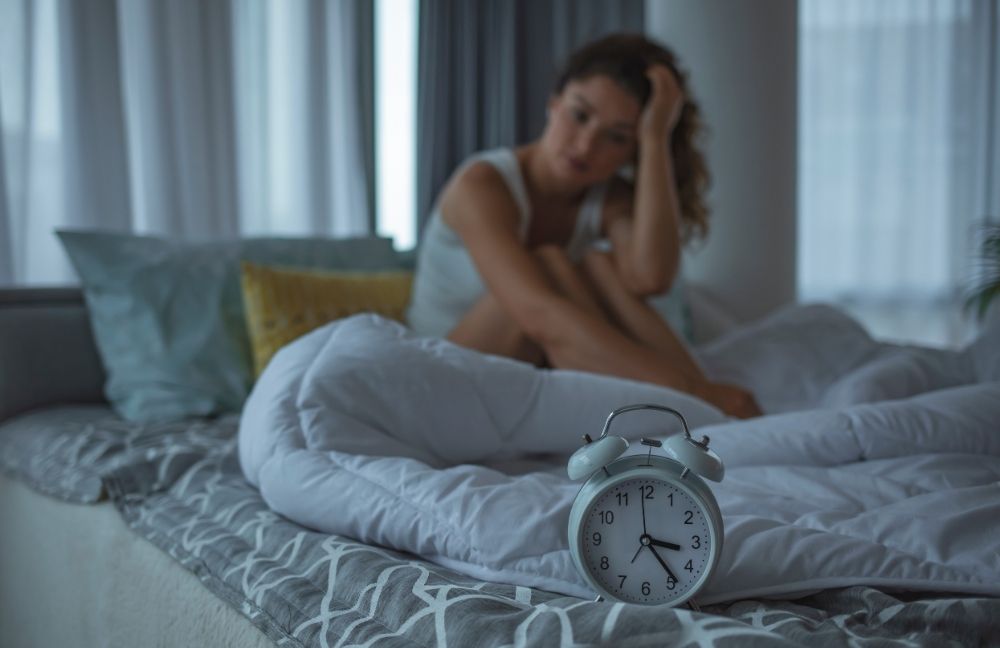
Sleep is essential for maintaining our physical and mental health, yet millions of individuals suffer from sleep disorders that rob them of quality rest. One of the most prevalent yet often overlooked conditions is sleep apnea. This article delves deeply into the causes, types, symptoms, impacts, and treatments of sleep apnea, while also addressing common questions in an FAQ section.
What is Sleep Apnea?
Sleep apnea is a sleep disorder characterized by repeated interruptions in breathing during sleep. These interruptions can last from a few seconds to several minutes and can occur multiple times an hour. The result is fragmented sleep, which can lead to significant health issues over time.
Types of Sleep Apnea
-
Obstructive Sleep Apnea (OSA): This is the most common form of sleep apnea. It occurs when the muscles in the throat relax excessively, leading to a temporary blockage of the upper airway. Factors such as obesity, large tonsils, or structural abnormalities in the airway can exacerbate this condition.
-
Central Sleep Apnea (CSA): Unlike OSA, central sleep apnea is not due to a blockage but rather a failure of the brain to signal the muscles to breathe. It is often associated with conditions like heart failure and stroke.
-
Complex Sleep Apnea Syndrome: This condition is a combination of obstructive and central sleep apnea and may require a multifaceted treatment approach.
Symptoms of Sleep Apnea
Recognizing the signs of sleep apnea is key to seeking timely medical intervention. Common symptoms include:
- Loud snoring: Often reported by bed partners, loud snoring is a hallmark of OSA.
- Choking or gasping: Individuals may awaken suddenly, gasping for air.
- Excessive daytime sleepiness: Chronic fatigue stems from poor sleep quality.
- Morning headaches: Frequent headaches upon waking can occur due to oxygen deprivation.
- Difficulty concentrating: Impaired cognitive function can affect daily activities and job performance.
- Mood changes: Increased irritability, anxiety, and depression can occur due to sleep deprivation.
The Impact of Sleep Apnea
Physical Health
Sleep apnea has far-reaching physical implications. It is linked to several serious health concerns, including:
- Cardiovascular Issues: The stress of frequent waking can lead to high blood pressure, heart complications, and increased risk of stroke.
- Metabolic Disorders: Weight gain and insulin resistance can result from the hormonal imbalances caused by sleep apnea.
- Diabetes: Sleep apnea can increase the risk of type 2 diabetes due to impaired glucose metabolism.
Mental Health
The ramifications of sleep apnea extend beyond physical health. Poor sleep can exacerbate mental health issues, leading to increased anxiety and depression. Cognitive function can diminish as well, affecting memory and focus.
Quality of Life
Individuals with untreated sleep apnea often experience a decline in their quality of life. Relationships can suffer due to the disruptive nature of the disorder, and professional productivity may decline due to fatigue and irritability.
Diagnosis of Sleep Apnea
If you suspect you have sleep apnea, it’s crucial to consult with a healthcare provider. Diagnosis typically consists of:
- Medical History and Physical Exam: A thorough evaluation of symptoms, along with an examination of the throat and mouth.
- Sleep Studies: Polysomnography, commonly referred to as a sleep study, measures various body functions during sleep. Home sleep tests may also be used.
- Questionnaires: Tools like the Epworth Sleepiness Scale help assess the severity of daytime sleepiness.
Treatment Options for Sleep Apnea
Once diagnosed, various treatment options can help manage sleep apnea based on its type and severity.
Lifestyle Modifications
- Weight Loss: If obesity is a contributing factor, losing weight can significantly reduce symptoms.
- Positional Therapy: Some individuals experience sleep apnea primarily when sleeping on their back. Sleeping sideways can alleviate this issue.
- Avoiding Alcohol and Sedatives: These substances can relax the throat muscles further and aggravate symptoms.
Continuous Positive Airway Pressure (CPAP)
The most common treatment for OSA, CPAP involves wearing a mask connected to a machine that provides a continuous stream of air, keeping the airway open during sleep.
Dental Devices
Oral appliances can be custom-fitted by dentists to reposition the jaw or tongue, keeping the airway open and reducing snoring.
Surgery
In severe cases, surgical options may be available to remove excess tissue or correct structural abnormalities in the airway.
Conclusion
Sleep apnea is more than just a nuisance; it is a serious disorder that can profoundly impact one’s health and quality of life. Understanding its symptoms and effects is the first step toward seeking help and achieving restful nights. If you or someone you know might be suffering from sleep apnea, don’t hesitate to seek medical advice.
FAQ Section
1. What are the main risk factors for sleep apnea?
- The risk factors include obesity, age, gender (more common in men), family history, smoking, and anatomical features like enlarged tonsils or a deviated septum.
2. Can children have sleep apnea?
- Yes, children can suffer from sleep apnea, often due to enlarged tonsils or adenoids. Symptoms may include difficulty waking, behavioral issues, and poor academic performance.
3. Is sleep apnea treatable?
- Yes, sleep apnea is treatable. Many individuals find relief through lifestyle changes, CPAP therapy, or other medical interventions.
4. How can I improve my sleep hygiene?
- Maintaining a regular sleep schedule, creating a comfortable sleep environment, avoiding caffeine and electronics before bed, and engaging in relaxation techniques can enhance sleep hygiene.
5. What should I do if I suspect I have sleep apnea?
- Consult your healthcare provider for a comprehensive evaluation. Early diagnosis and treatment can significantly improve your health and quality of life.
Understanding sleep apnea is crucial in combating this “sleep thief” that affects millions. By recognizing the symptoms and seeking appropriate treatment, individuals can reclaim their nights and restore their overall wellness.