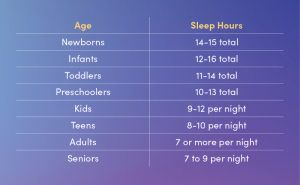

What to Eat Before Going to Bed
What you eat before bedtime can have a major impact on how well you sleep, how rested you feel in the morning, and even your overall health.
Many people either go to bed hungry or eat heavy meals late at night — both of which can negatively affect sleep quality. The good news is that choosing the right foods before bed can actually help your body relax, regulate blood sugar, and support deeper, more restorative sleep.
In this guide, you’ll learn:
- The best foods to eat before bed
- Foods that help you fall asleep faster
- What to avoid at night
- Healthy bedtime snack ideas
- The science behind sleep-supporting foods
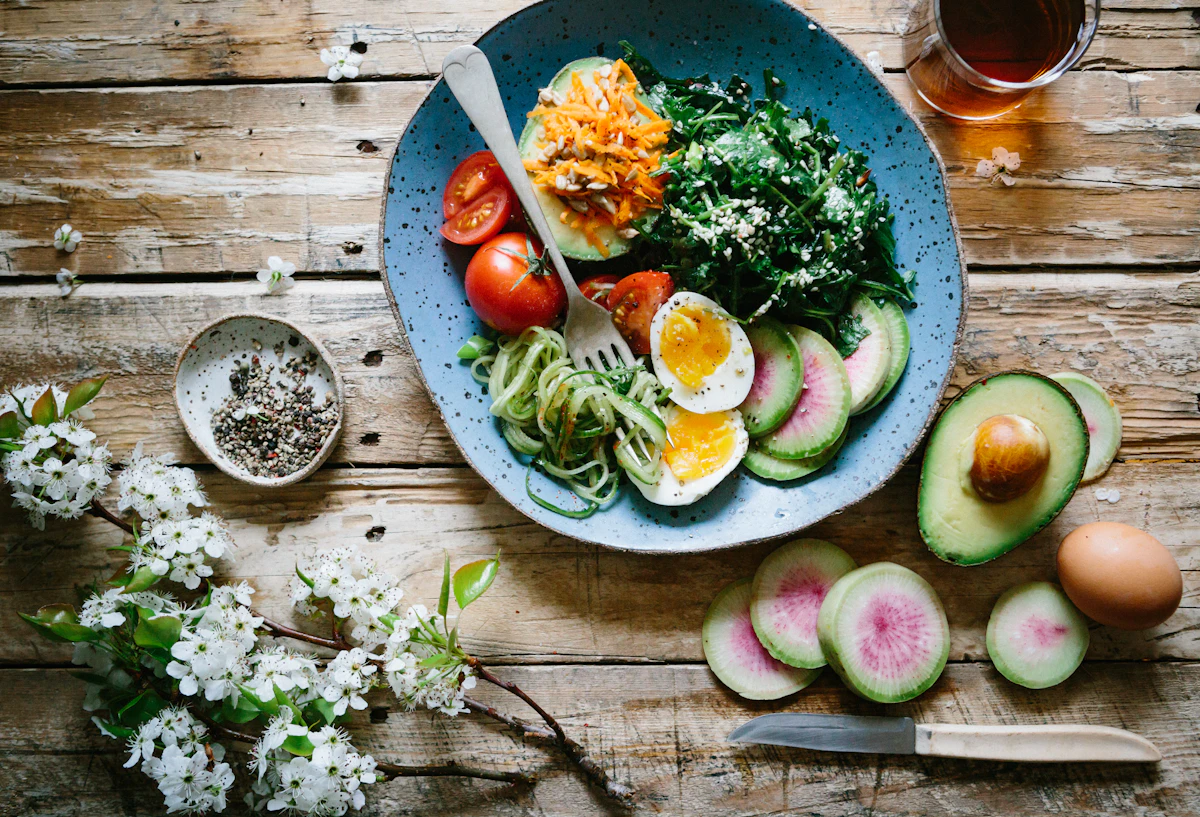
Why Your Nighttime Food Choices Matter
Your body continues working while you sleep. During the night, it:
- Repairs muscles and tissues
- Balances hormones
- Regulates blood sugar
- Consolidates memory
- Produces melatonin and growth hormone
The foods you eat before bed can either support or disrupt these processes.
Certain nutrients are especially important for sleep quality:
| Nutrient | Sleep Benefit |
|---|---|
| Tryptophan | Helps produce serotonin and melatonin |
| Magnesium | Promotes relaxation and muscle recovery |
| Melatonin | Regulates sleep-wake cycles |
| Complex Carbs | Help stabilize blood sugar and serotonin |
| Calcium | Supports melatonin production |
Recommended Reading: How to Sleep Better Naturally
Best Foods to Eat Before Going to Bed
1. Bananas
Bananas are one of the best nighttime foods because they contain:
- Magnesium
- Potassium
- Vitamin B6
- Natural carbohydrates
These nutrients help relax muscles and support melatonin production.
Best way to eat
- Banana alone
- Banana with almond butter
- Banana slices in oatmeal
2. Greek Yogurt
Greek yogurt is rich in protein and calcium, making it an excellent bedtime snack.
Benefits
- Keeps you full overnight
- Supports muscle recovery
- Helps regulate sleep hormones
Add-ons
- Honey
- Berries
- Walnuts
- Chia seeds
3. Oatmeal
Oats naturally contain melatonin and complex carbohydrates that may help you feel sleepy.
Why oatmeal works before bed
- Easy to digest
- Supports serotonin production
- Keeps blood sugar stable
Sleep-friendly toppings
- Cinnamon
- Almonds
- Banana slices
- Pumpkin seeds
Related Guide: Best Bedtime Snacks to Help You Sleep

4. Kiwi Fruit
Studies suggest kiwi may improve sleep duration and help people fall asleep faster.
Why kiwi helps sleep
- Contains serotonin
- Rich in antioxidants
- Low calorie and easy to digest
Recommended serving
1–2 kiwis about one hour before bed.
5. Nuts and Seeds
Nuts are loaded with sleep-supporting nutrients.
Best nuts for sleep
- Almonds
- Walnuts
- Pistachios
- Pumpkin seeds
Benefits
- Magnesium supports relaxation
- Healthy fats improve satiety
- Natural melatonin may support sleep cycles
6. Tart Cherry Juice
Tart cherries are one of the few natural food sources of melatonin.
Research shows tart cherry juice may:
- Improve sleep duration
- Increase sleep efficiency
- Support deeper sleep
Choose unsweetened tart cherry juice whenever possible.
Read Also: Bedtime Snacks to Help You Sleep: 17 Best Foods for a Restful Night
7. Cottage Cheese
Cottage cheese contains slow-digesting casein protein and tryptophan.
Benefits before bed
- Prevents late-night hunger
- Supports overnight muscle repair
- Keeps energy stable during sleep
8. Whole-Grain Toast with Peanut Butter
This combination provides:
- Complex carbohydrates
- Healthy fats
- Protein
- Tryptophan
It’s especially helpful for people who wake up hungry during the night.
9. Herbal Tea
Caffeine-free herbal tea can calm the nervous system before sleep.
Best teas before bed
- Chamomile tea
- Lavender tea
- Lemon balm tea
- Valerian root tea
Pair with light snacks
- Nuts
- Crackers
- Yogurt
- Fruit
Internal Link Suggestion: Best Tea for Sleep and Relaxation
10. Eggs
Eggs are packed with high-quality protein and can help prevent nighttime hunger.
Simple bedtime meal ideas
- Hard-boiled eggs
- Egg toast
- Egg with avocado
Keep portions moderate to avoid feeling overly full.
Healthy Bedtime Snack Combinations
Here are some excellent nighttime snack combinations:
| Snack Combination | Main Benefit |
|---|---|
| Banana + Peanut Butter | Relaxation + stable blood sugar |
| Yogurt + Walnuts | Protein + melatonin |
| Oatmeal + Chia Seeds | Slow digestion + serotonin |
| Kiwi + Herbal Tea | Relaxation support |
| Whole-Grain Toast + Almond Butter | Balanced nighttime energy |
| Cottage Cheese + Berries | Muscle recovery |

Foods to Avoid Before Bed
Some foods can disrupt sleep quality, digestion, and recovery.
1. Caffeine
Avoid caffeine late in the day.
Common caffeine sources
- Coffee
- Energy drinks
- Soda
- Dark chocolate
- Some teas
Caffeine can stay in your system for several hours.
2. Heavy Fried Foods
Greasy foods digest slowly and may cause:
- Heartburn
- Bloating
- Stomach discomfort
3. Sugary Foods
High sugar intake before bed may lead to:
- Blood sugar spikes
- Nighttime awakenings
- Restless sleep
4. Spicy Foods
Spicy meals can trigger acid reflux and make it harder to sleep comfortably.
5. Alcohol
Alcohol may initially make you sleepy but often reduces deep sleep quality.
Read Also: Foods That Ruin Your Sleep
Is It Bad to Eat Before Bed?
Eating before bed is not necessarily bad.
The key factors are:
- Portion size
- Food quality
- Timing
A small, balanced snack may actually improve sleep and reduce nighttime hunger.
However, large heavy meals close to bedtime can interfere with digestion and sleep quality.
Best Time to Eat Before Bed
Experts generally recommend eating:
30–90 minutes before sleep
This gives your body enough time to digest comfortably.
Helpful bedtime eating tips
- Keep snacks light
- Avoid overeating
- Limit sugar intake
- Stay hydrated during the day
- Follow a consistent sleep schedule
Helpful Resource: Nighttime Routine for Better Sleep
Can Eating the Right Foods Improve Sleep?
Yes. While food alone will not cure insomnia, healthy nighttime eating habits may support:
- Faster sleep onset
- Better sleep quality
- Fewer nighttime wakeups
- Improved recovery
- Better mood and energy levels
Pair healthy nighttime eating with:
- Good sleep hygiene
- Comfortable bedding
- Reduced screen exposure
- Regular exercise
- Stress management
Related Article: How to Create the Perfect Sleep Environment
Final Thoughts
Choosing what to eat before going to bed can significantly affect your sleep quality and overall health.
The best nighttime foods are:
- Easy to digest
- Rich in sleep-supporting nutrients
- Balanced with protein, healthy fats, and complex carbs
- Light enough to avoid discomfort
Foods like bananas, oatmeal, yogurt, nuts, kiwi, and herbal tea can help your body relax naturally and support restful sleep.
Instead of late-night junk food or heavy meals, choose healthier bedtime options that help your body recover and recharge overnight.
Frequently Asked Questions
What is the best food to eat before bed?
Bananas, oatmeal, Greek yogurt, nuts, kiwi, and tart cherry juice are among the best foods for sleep support.
Is it okay to go to bed hungry?
Going to bed hungry may make it harder to fall asleep and could lead to nighttime wakeups.
What foods contain melatonin naturally?
Tart cherries, walnuts, pistachios, oats, and milk naturally contain melatonin.
Should I avoid carbs before bed?
No. Complex carbohydrates in moderation may actually support serotonin production and improve sleep.
How late should I stop eating before bed?
Aim to finish eating about 30–90 minutes before bedtime.