
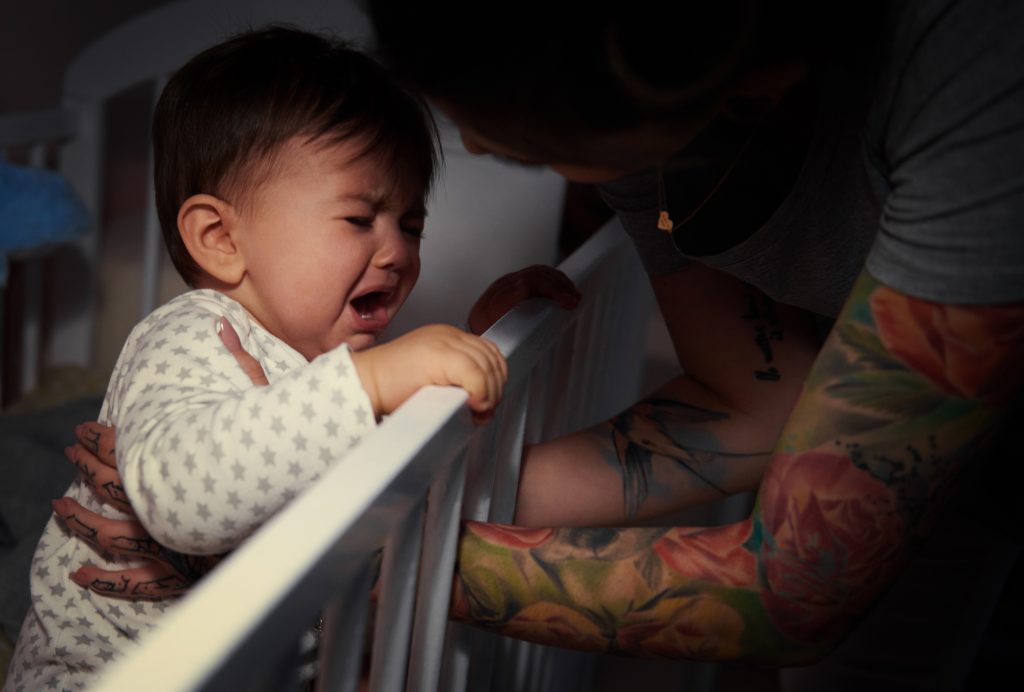
If you’re a parent standing over a crib or kneeling beside a toddler bed, listening to your child cry desperately when you know they are exhausted, you are not alone. This universal parenting experience is as confusing as it is heart-wrenching. You ask yourself, “If they’re so tired, why don’t they just close their eyes and sleep?”
The truth is, for babies and young children, the transition from being awake to falling asleep isn’t a simple switch they can flip. It’s a complex process, and crying is their primary language for communicating the struggle. The tears aren’t a sign of defiance (though it can feel that way!) but a symptom of an underlying need or challenge.
At SleepingZones.com, we believe understanding the “why” is the first step to a peaceful solution. Let’s break down the detailed reasons behind those bedtime tears.
1. Overstimulation and Overtiredness: The Vicious Cycle
This is the most common culprit. Think of your child’s nervous system like a car. Sleep is the brake, and stimulation is the gas. An overtired child has had their “gas pedal” pressed for too long.
- The Science: When a child stays awake past their ideal sleep window, their body starts producing stress hormones like cortisol and adrenaline to fight the fatigue. This is a primitive biological response. These hormones make it harder to wind down, creating a state of being both physically exhausted and mentally wired.
- The Result: The child is desperate for sleep but physically unable to calm their own nervous system. Crying is the only outlet for this overwhelming frustration and exhaustion. It’s a plea for help in shutting down a system that’s in overdrive.
2. Communication and Protest: “I Don’t Want This to End!”
For infants and toddlers, crying is their only way to say, “I protest!” They are having too much fun exploring the world and being with you.
- FOMO (Fear Of Missing Out): Even very young children experience this. Going to sleep means separation from their favorite people (you), their toys, and the interesting sounds and lights of the home.
- Testing Boundaries: With toddlers, bedtime crying can be a test of limits. They are learning they have a will of their own, and refusing to sleep is a powerful way to exert control over their environment and your attention.
3. The Inability to Self-Soothe
Falling asleep independently is a skill that must be learned, not an innate ability. We, as adults, have routines (reading a book, turning over, etc.) that signal to our brain it’s time to sleep. Babies need to learn this too.
- Sleep Associations: If a child is used to being rocked, fed, or patted to sleep, they associate those actions with the act of falling asleep. When they naturally stir between sleep cycles (which happens multiple times a night), they wake up and find the conditions have changed (no rocking, no parent). They cry because they lack the skill to transition from awake to asleep on their own and need help recreating the conditions they depend on.
4. Physical Discomforts and Needs
Before assuming it’s behavioral, always rule out physical causes. A child can’t say, “My tummy hurts,” or “I’m too hot”; they can only cry.
- Digestive Issues: Gas, reflux, or hunger can strike right at bedtime.
- Teething: The throbbing pain of new teeth emerging is often worse at night when there are fewer distractions.
- Illness: An oncoming cold, ear infection, or stuffy nose can make lying down painful and breathing difficult.
- Environmental Factors: The room might be too hot, too cold, too bright, or too noisy. Scratchy pajama tags or a wet diaper can also be a major disturbance.
5. Developmental Milestones and Separation Anxiety
Your child’s brain is developing at a breathtaking pace, and this can directly disrupt sleep.
- Separation Anxiety (Peaks around 8-18 months): At this stage, your child is developing object permanence—the understanding that things (and people) exist even when they can’t see them. But they haven’t mastered the concept of time. When you leave the room, they don’t know if you’re coming back. This causes genuine fear and anxiety, leading to desperate crying to call you back and ensure their safety.
- Cognitive Leaps: Learning to crawl, walk, or talk is incredibly exciting. Their brain is so busy practicing these new skills that it can be difficult to power down, even in their sleep. You might notice them crying out or attempting to practice these skills in their crib while half-asleep.
6. Nightmares and Night Terrors
For older toddlers and young children, fears can emerge.
- Nightmares: These are scary dreams that occur during REM sleep. A child will often wake up fully, remember the bad dream, and cry out for comfort.
- Night Terrors: These are more intense and occur during non-REM sleep. The child may seem awake (eyes open, screaming, thrashing) but is actually still asleep and will have no memory of it the next morning. It’s distressing to witness, but the child is not in psychological distress.
Read Also: Sleeping Bags That Are Great for Camping Trips.
What You Can Do: A Strategy for Soothing
Understanding the cause helps you choose the right response.
- Master Their Sleep Cues: Learn the early signs of sleepiness (rubbing eyes, staring into space, yawning, slowing down) and put them down before they become overtired and start crying.
- Create a Rock-Solid Bedtime Routine: A predictable, calming sequence (e.g., bath, pajamas, book, song, bed) done in the same order every night signals to the brain that sleep is coming. This reduces anxiety and protest.
- Address Physical Needs: Ensure a fresh diaper, a comfortable room temperature (68-72°F or 20-22°C), and darkening curtains. Offer a final feeding to rule out hunger.
- Teach Self-Soothing: Gradually help your child learn to fall asleep independently. This can be done through various gentle sleep training methods (e.g., Chair Method, Ferber, Pick-Up-Put-Down) that suit your parenting style. The goal is to let them practice the skill of settling themselves.
- Offer Comfort and Consistency: For separation anxiety, be consistent and reassuring. A quick, calm check-in can show them you’re still there without fully restarting the bedtime process. A comfort object (like a small stuffed animal for older infants) can also help.
- Stay Calm: Your child feeds off your energy. If you become frustrated and anxious, it will only heighten their distress. Take a deep breath, speak in soft, low tones, and remember that this is a phase.
The Bottom Line
Crying before sleep is not a sign that you are failing as a parent. It is a normal, developmentally appropriate response from a child who is struggling with the difficult transition to sleep. They are not giving you a hard time; they are having a hard time.
By acting as a detective to understand the root cause—be it overtiredness, a need for skill-building, or physical discomfort—you can respond with empathy and strategy, guiding your entire family toward more peaceful nights.
Disclaimer: Always trust your instincts. If the crying seems excessive, is accompanied by a fever, vomiting, or other signs of illness, or if you have any concerns about your child’s health or development, please consult your pediatrician.