
Best Lullabies for Babies to Go to Sleep
Getting a baby to sleep can sometimes feel like solving a tiny mystery every night. One moment they’re calm, the next they’re wide awake, staring at the ceiling like they’ve got big life plans at 2 AM.
That’s where lullabies come in.
A gentle lullaby for babies to go to sleep can calm the nervous system, reduce crying, and create a predictable bedtime routine that signals: it’s time to rest now.
In this guide, you’ll discover 20 beautiful lullabies and baby sleep songs that actually help little ones drift off peacefully.
Why Lullabies Help Babies Sleep
Lullabies aren’t just tradition—they work for real biological reasons:
- Slow rhythm helps regulate breathing
- Soft tones calm the nervous system
- Repetition creates comfort and familiarity
- Familiar voices reduce anxiety
- Helps babies associate music with sleep
Think of lullabies as a “sleep signal” for the baby brain.
20 Best Lullabies for Babies to Sleep
Here are timeless and modern baby sleep songs that parents around the world trust.
Classic Lullabies
- Twinkle Twinkle Little Star
- Brahms’ Lullaby (Wiegenlied)
- Rock-a-Bye Baby
- Hush Little Baby
- Mary Had a Little Lamb
Gentle Nature-Inspired Songs
- Somewhere Over the Rainbow (soft version)
- Edelweiss
- Moon River
- You Are My Sunshine (slow lullaby version)
- Silent Night
Modern Baby Sleep Songs
- Baby Sleep Music – Calm Instrumental
- Deep Sleep Lullabies for Babies (piano mix)
- Soft Piano Baby Sleep Sounds
- Ocean Waves Lullaby Mix
- Rain Sounds with Gentle Music
African-Inspired Gentle Rhythms
- Soft African Night Rhythms for Babies
- Traditional Swahili Lullaby-style melodies
- Calm Drum & Nature Sleep Sounds
White Noise & Relaxation Tracks
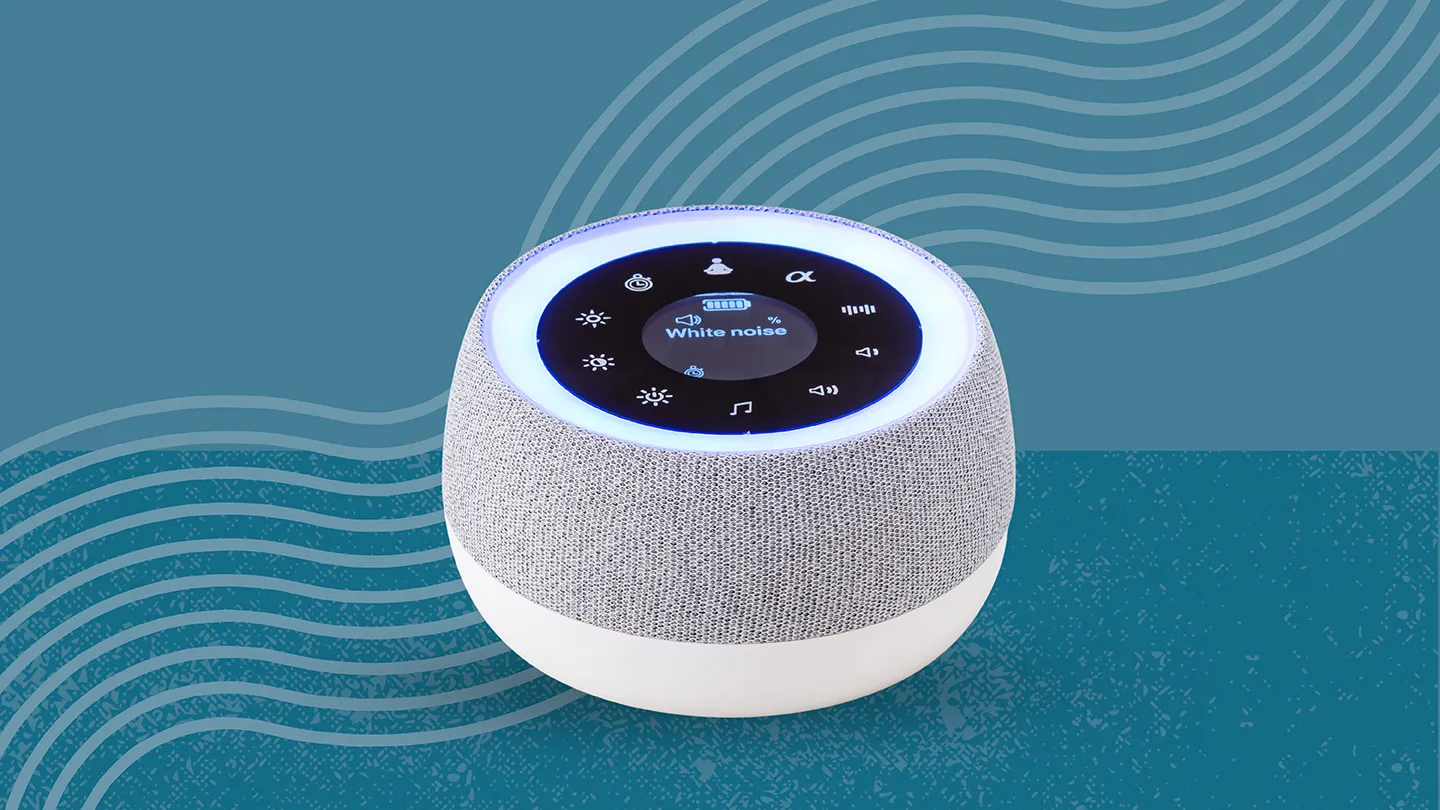
- White Noise for Newborn Sleep
- Heartbeat Sounds for Babies
Best YouTube & Audio Styles for Baby Sleep
When choosing a baby songs to sleep playlist, look for:
- Slow tempo (60–80 BPM)
- No sudden sound changes
- Soft instrumental or whisper vocals
- Repetitive melodies
- Long-duration mixes (1–8 hours)
These help babies stay asleep longer without waking frequently.
When to Play Lullabies for Best Results
Timing matters more than most parents realize.
Ideal moments:
- During bedtime routine (bath, feeding, swaddling)
- When baby starts showing sleep cues (yawning, rubbing eyes)
- During night wake-ups
- During daytime naps
Consistency is key—babies love predictable patterns.
Simple Bedtime Routine Using Lullabies
Here’s a simple routine you can follow:
- Dim the lights
- Give a warm bath
- Feed the baby
- Hold or rock gently
- Play a lullaby for babies to go to sleep
- Place baby in crib while music continues softly
Over time, the baby associates the music with sleep, making bedtime easier.
Common Mistakes Parents Make
Even with the best baby songs to sleep, some habits can reduce effectiveness:
- Playing music too loudly
- Using upbeat or fast songs
- Changing playlists every night
- Stopping music too early
- Introducing too many new sounds at once
Keep it calm, simple, and consistent.
Do Lullabies Really Work?
Yes—but not like magic.
Lullabies work best as part of a full sleep routine. They don’t “knock out” a baby instantly, but they help:
- Reduce fussiness
- Improve sleep timing
- Extend sleep duration
- Create emotional comfort
Think of them as a gentle bridge into sleep, not a switch.
Final Thoughts
The right lullaby for babies to go to sleep can turn stressful nights into calm, predictable routines. Whether you choose classical lullabies, soft piano music, or white noise, the goal is the same: helping your baby feel safe, relaxed, and ready for rest.
Over time, these sounds become more than music—they become a signal that everything is okay and it’s time to sleep.
And sometimes, that’s all a baby really needs.