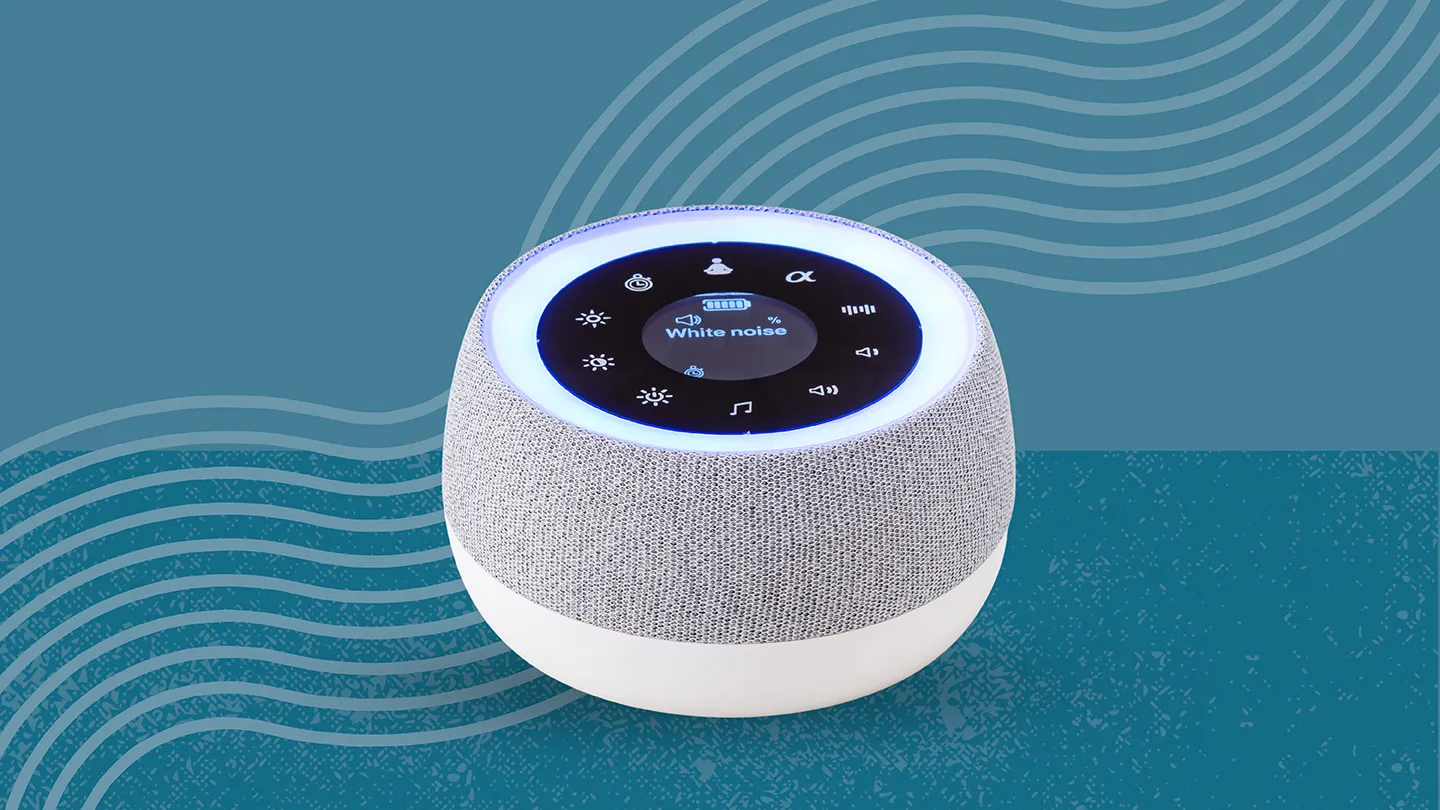

BedJet 3 is a climate-controlled air system that fits under your mattress and blows temperature-controlled air through a hose into a special sheet — warming or cooling your bed to a precise temperature within minutes. It is not a mattress. It is not a topper. It is a bed climate system, and it’s genuinely different from anything else in this category.
This guide covers everything: how it works, who it’s actually for, how it compares to alternatives, what it costs, and the real downsides nobody talks about. If you’re considering a BedJet 3, this is your starting point.
What Is BedJet 3?
BedJet 3 is a bedside air unit — roughly the size of a small suitcase standing upright — that connects via hose to a special AirComforter sheet. The unit heats or cools air and circulates it through the sheet, creating a microclimate around your body while you sleep.
Key specs:
- Heating range: Up to 104°F (40°C)
- Cooling range: Room temperature minus ~10°F (it can’t go below room temp)
- Noise level: ~30–40 dB at low settings (comparable to a quiet fan)
- Price: $349 (single zone) | $699 (dual zone, for couples)
- Connectivity: Bluetooth app control, Alexa/Google integration
- Warranty: 2 years
It pairs with the BedJet AirComforter sheet ($149–$169), without which the air circulation doesn’t work as designed.
How Does BedJet 3 Work?
The short answer: it pushes temperature-controlled air through a hose into a channel that runs along the foot of the bed, distributing it across the full sheet surface. Your body sits in this air envelope rather than against a heating pad or cooling gel — which means no pressure points, no contact cooling, and no risk of overheating the mattress.
For a detailed walkthrough of the mechanics, see our How Does the BedJet 3 Work? guide.
Who Is BedJet 3 For?
BedJet 3 is the right purchase if you are:
A hot sleeper with a budget under $600. The main competitor — Eight Sleep Pod — costs $2,000+. BedJet delivers meaningful sleep temperature improvement at a fraction of the price.
Someone who shares a bed with a partner at a different temperature. The Dual Zone BedJet lets each person control their own side independently. One partner sleeps cool, one warm — without compromise.
A person dealing with night sweats. Menopause, medication side effects, or just running hot: BedJet’s active airflow reduces the sweating-waking cycle that disrupts sleep.
Someone with a specific medical sleep temperature issue. Hot flashes, hyperhidrosis, fibromyalgia, and certain medications all affect body temperature during sleep. BedJet is regularly recommended by sleep specialists for these cases.
BedJet is probably not the right purchase if:
- You primarily want cooling below room temperature (BedJet can’t do active sub-ambient cooling — for that, see ChiliSleep OOLER or Eight Sleep)
- You want something invisible — BedJet has a visible unit beside the bed and a hose
- You move around a lot at night — the AirComforter works best for people who sleep in one position
BedJet 3 vs The Alternatives
BedJet 3 vs ChiliSleep Dock Pro
ChiliSleep uses water-cooled pads that fit on top of the mattress — it can achieve sub-ambient cooling (colder than room temperature) which BedJet cannot. The trade-off is a complex water system with maintenance requirements and a higher price. See our full BedJet vs ChiliSleep comparison for a verdict by use case.
BedJet 3 vs Eight Sleep Pod
Eight Sleep’s Pod cover is a premium water-based system with biometric tracking, automatic temperature adjustment, and a subscription. It’s significantly more effective for aggressive cooling — and significantly more expensive. See our BedJet 3 vs Eight Sleep Pod comparison for a complete breakdown of who should buy which.
BedJet 3 vs Mattress Cooling Toppers
Gel toppers and phase-change toppers are passive — they absorb body heat but don’t actively cool. They cost less but perform significantly worse for hot sleepers. BedJet’s active airflow outperforms any passive topper for people with genuine temperature regulation issues.
Our 30-Night Experience
We tested the BedJet 3 for 30 consecutive nights across seasons, different room temperatures, and with two different sleepers. The full findings — including what surprised us, what disappointed us, and whether it’s worth the price — are in our BedJet 3 Review: The Ultimate Truth After 30 Nights.
The short version: it works. Not magic, not perfect, but a genuine and measurable improvement to sleep quality for temperature-sensitive sleepers.
BedJet 3 Setup and Remote Control
BedJet 3 setup takes about 20 minutes. The unit plugs in, the hose connects to the AirComforter, and the app configures everything including scheduling and temperature presets.
The remote is intuitive but has a few quirks — we cover every feature and the common troubleshooting issues in our BedJet Remote: Setup, Troubleshooting, and Smart Features guide. That page is worth reading before your first night.
BedJet 3 Price and Where to Buy
| Option | Price |
|---|---|
| BedJet 3 (single zone) | ~$349 |
| BedJet 3 Dual Zone (couples) | ~$699 |
| AirComforter sheet (required) | ~$149–$169 |
| Full single-zone kit | ~$498–$518 |
| Full dual-zone kit | ~$848–$868 |
BedJet runs sales regularly — Black Friday, January, and their email list gets early access. We track the best deals in our BedJet Discount Codes and Best Time to Buy guide.
👉 [Check current BedJet price →] (affiliate link)
BedJet 3: The Real Downsides
It can’t cool below room temperature. If your bedroom is 78°F in summer, the coldest BedJet gets you is roughly 68–70°F. For true aggressive cooling, you need a water-based system.
The AirComforter is required. You can’t use your existing duvet or comforter and get the same effect. The AirComforter costs $149+ on top of the unit.
The hose is visible. It’s not an ugly product, but there’s a tube running from your bedside unit to under the covers. Some people don’t mind. Some hate it.
It makes sound. At the lowest settings, it’s quiet. On high heat in winter, it’s noticeably audible — a consistent fan sound. Most people habituate to it quickly, but light sleepers should be aware.
Frequently Asked Questions
Is BedJet 3 loud? At the lowest fan setting, BedJet 3 runs at approximately 30dB — quieter than a whisper. On high settings, it reaches around 45–50dB. Most users run it at low-to-medium and find the fan noise comparable to white noise.
Does BedJet 3 cool below room temperature? No. BedJet 3 circulates ambient air — it cannot actively refrigerate. The maximum cooling effect is approximately 8–10°F below the room temperature. For sub-ambient cooling, see ChiliSleep or Eight Sleep.
Is BedJet 3 safe? Yes. The heating and cooling systems have automatic shut-offs, the electrical systems are UL-listed, and the air circulation means no heat concentration at any one point on the mattress.
How long does BedJet 3 last? BedJet reports an average product lifespan of 5–7 years with normal use. The 2-year warranty covers defects. The AirComforter may need replacing after 2–3 years of nightly use.
Can I use BedJet 3 with a weighted blanket? Yes, with caveats. Heavy blankets can restrict the air channel in the AirComforter, reducing airflow effectiveness. BedJet works best with their own AirComforter or lightweight duvets.
Verdict
BedJet 3 is the best bed climate system for the $350–$500 price range. It works, it’s reliable, and it measurably improves sleep for hot sleepers and temperature-mismatched couples. The main limitation — it can’t cool below room temperature — matters for people in hot climates or those with severe night sweats, who should evaluate Eight Sleep or ChiliSleep instead.
For everyone else: this is the purchase.
👉 [Buy BedJet 3 →] (affiliate link)
👉 [Buy BedJet 3 Dual Zone (couples) →] (affiliate link)