
Struggling with CPAP for mild sleep apnea? Explore effective, clinically-proven alternatives like Oral Appliance Therapy, EPAP, and lifestyle changes. Find your path to better sleep in 2025.
For millions, a CPAP (Continuous Positive Airway Pressure) machine is a lifesaving device, the gold standard for treating moderate to severe obstructive sleep apnea (OSA). But if you’ve been diagnosed with mild sleep apnea, the story is often different. The bulk of the machine, the discomfort of the mask, the noise, and the hassle of travel can feel like a disproportionate solution to a “mild” problem.
The good news? You are not alone, and you have options. A diagnosis of mild sleep apnea doesn’t automatically mean a lifetime of CPAP. Significant advancements in sleep medicine have created a range of effective, user-friendly CPAP alternatives specifically suited for mild cases.
This guide will explore the most effective, clinically-backed CPAP alternatives for mild sleep apnea in 2025, helping you and your sleep specialist find the right solution for a restful night.
Understanding Mild Sleep Apnea: Why Alternatives Make Sense
First, let’s define our terms. Sleep apnea severity is measured by the Apnea-Hypopnea Index (AHI), which counts the number of breathing pauses (apneas) and shallow breathing events (hypopneas) per hour of sleep.
- Normal: AHI < 5
- Mild Sleep Apnea: AHI between 5 and 15
- Moderate Sleep Apnea: AHI between 15 and 30
- Severe Sleep Apnea: AHI > 30
With mild sleep apnea, the airway collapse is partial or less frequent. This makes it highly responsive to treatments that are less invasive than CPAP but still powerful enough to prevent the negative health consequences of untreated apnea, such as daytime fatigue, high blood pressure, and heart strain.
Recommended: VitalSleep Anti-Snoring Mouthpiece – A Custom-Fit Solution for Peaceful Nights
Top CPAP Alternatives for Mild Sleep Apnea in 2025
Here are the most effective and popular alternatives, backed by science and patient success stories.
1. Oral Appliance Therapy (OAT)
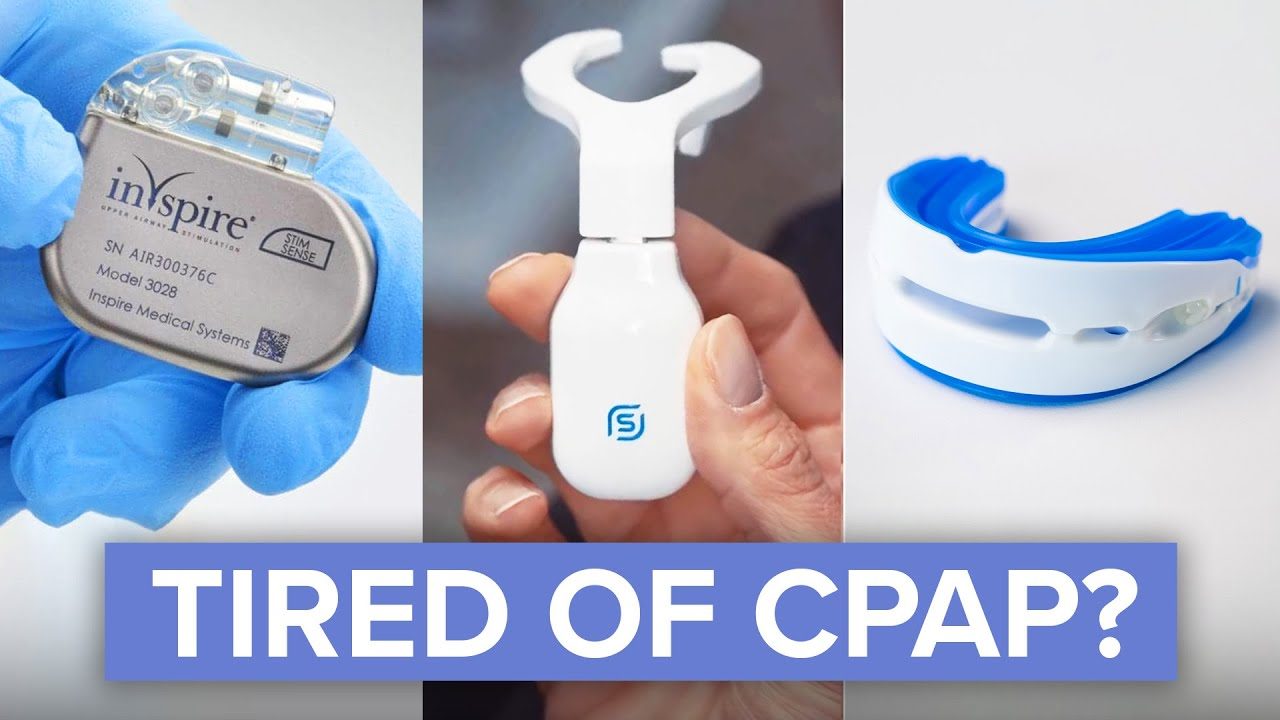
How it Works: A custom-fitted dental device, similar to a sports mouthguard or orthodontic retainer, is worn during sleep. The most common type is a Mandibular Advancement Device (MAD), which gently repositions the lower jaw (mandible) and tongue forward to keep the airway open.
Best For: Patients with mild to moderate OSA, especially those who are side or stomach sleepers, and who have a healthy jaw structure.
Pros:
- Highly effective for mild cases
- Quiet, portable, and easy to travel with
- Non-invasive and comfortable for most users
- Covered by many insurance plans
Cons:
- Can cause temporary jaw discomfort or tooth shifting
- Requires a dentist trained in dental sleep medicine
- Not as universally effective as CPAP for higher AHI levels
Considering an Oral Appliance? The process starts with a qualified dental sleep professional. Companies like Vivos Therapeutics are pioneering FDA-cleared oral devices that can be a great starting point for a conversation with your doctor. Learn more about modern oral appliance solutions here.
2. Expiratory Positive Airway Pressure (EPAP)
How it Works: EPAP devices are single-use or reusable adhesive valves placed over the nostrils. They are incredibly discreet. They work by creating resistance when you exhale, which increases pressure in the airway and prevents it from collapsing. Think of it as a “mini-CPAP” effect without the machine.
Best For: Individuals with mild OSA who prioritize minimalism, travel frequently, or have tried and failed CPAP.
Pros:
- Extremely small, discreet, and silent
- No power source required
- Excellent for travel
- Easy to use
Cons:
- Disposable options create recurring cost
- May feel strange or create a sensation of breathlessness initially
- Not typically covered by insurance
3. Positional Therapy
How it Works: For many with mild sleep apnea, events occur primarily when sleeping on their back (supine position) due to gravity’s effect on the airway. Positional therapy uses wearable devices or simple tactics to encourage side-sleeping.
Modern Solutions include:
- Wearable Vibrotactile Devices: A small device worn on the chest or neck that vibrates gently when you roll onto your back, training you to sleep on your side without waking you up.
- Specialized Pillows: Wedge pillows designed to maintain proper alignment and encourage side sleeping.
- The “Tennis Ball Trick”: The classic low-tech solution: sewing a tennis ball into the back of a pajama shirt to make back-sleeping uncomfortable.
Best For: “Positional” sleepers whose AHI is significantly higher on their back than on their side.
Train Yourself to Side-Sleep. Modern wearable trainers like the NightShift Sleep Device are a high-tech, effective solution for positional apnea. Check current prices and reviews for the latest positional therapy devices here.
4. Lifestyle Modifications (The Foundation of Treatment)
For mild sleep apnea, lifestyle changes can be powerful enough to reduce the AHI into the normal range. They are often recommended in conjunction with other therapies.
- Weight Management: Even a 10% reduction in body weight can significantly improve mild sleep apnea symptoms. Excess weight, especially around the neck, puts direct pressure on the airway.
- Exercise: Regular physical activity, even without weight loss, can strengthen the muscles around the airway and improve respiratory control.
- Avoid Alcohol and Sedatives: These substances relax the throat muscles, exacerbating airway collapse. Avoid them, especially in the hours before bedtime.
- Nasal Breathing: Addressing chronic nasal congestion with saline sprays, steroid sprays, or strips can improve airflow.
5. Surgical Options (A Last Resort)
Surgery is typically considered only after other treatments have failed and if there is a clear, correctable anatomical issue (e.g., massively enlarged tonsils, a deviated septum, or a very low hanging soft palate).
Modern procedures are less invasive and often performed in-office, such as radiofrequency ablation to stiffen the soft palate. However, success rates vary, and recovery can be painful.
Comparing Your Options: A 2025 Decision Table
| Treatment | How It Works | Best For | Pros | Cons | Estimated Cost (w/o Insurance) |
|---|---|---|---|---|---|
| Oral Appliance (MAD) | Repositions jaw forward | Mild-mod OSA, travelers | Custom-fit, comfortable, portable | Jaw pain, dental changes | $1,800 – $3,000 |
| EPAP Devices | Valve creates exhale pressure | Mild OSA, minimalists | Tiny, silent, no power | Disposable cost, feel strange | $60 – $100/month |
| Positional Therapy | Prevents back-sleeping | Positional sleepers | Non-invasive, trains habit | Can be evaded while asleep | $100 – $200 (device) |
| Lifestyle Changes | Reduces airway pressure | All patients, foundation | Improves overall health | Requires discipline & time | Free – Low Cost |
| Surgery | Anatomical correction | Specific structural issues | Potentially permanent fix | Invasive, painful, variable success | $5,000 – $10,000+ |
How to Choose the Right Alternative for You
Step 1: Get a Proper Diagnosis. You must have a sleep study (in-lab or at-home) to confirm you have mild sleep apnea. Self-diagnosing is dangerous.
Step 2: Consult Your Sleep Specialist. This is the most important step. Discuss your dissatisfaction with CPAP and your interest in alternatives. They can:
- Confirm if your mild apnea is suitable for alternative treatments.
- Rule out other sleep disorders.
- Provide a referral to a dental sleep medicine expert for an oral appliance.
- Help you navigate insurance coverage.
Step 3: Consider a Combination Approach. Often, the best results come from combining therapies. For example:
- Oral Appliance + Weight Loss
- Positional Therapy + Lifestyle Changes
- EPAP + Nasal Dilators
Final Thoughts: Your Sleep Journey
A diagnosis of mild sleep apnea is a call to action, not a life sentence to a machine you hate. The landscape of treatment in 2025 is filled with innovative and effective CPAP alternatives. From the advanced comfort of custom oral appliances to the brilliant simplicity of modern positional trainers, there is a solution that can fit your life and give you the restorative sleep you deserve.
Take this information, have an informed conversation with your doctor, and take the first step toward peaceful, quiet, and effective sleep.
Disclaimer: This article is for informational purposes only and does not constitute medical advice. Always consult with a board-certified sleep physician or a qualified healthcare provider before making any decisions about treating a medical condition. Individual results may vary. This article contains affiliate links, and we may earn a commission if you make a purchase through our links at no extra cost to you. This helps us continue to provide research-driven content.