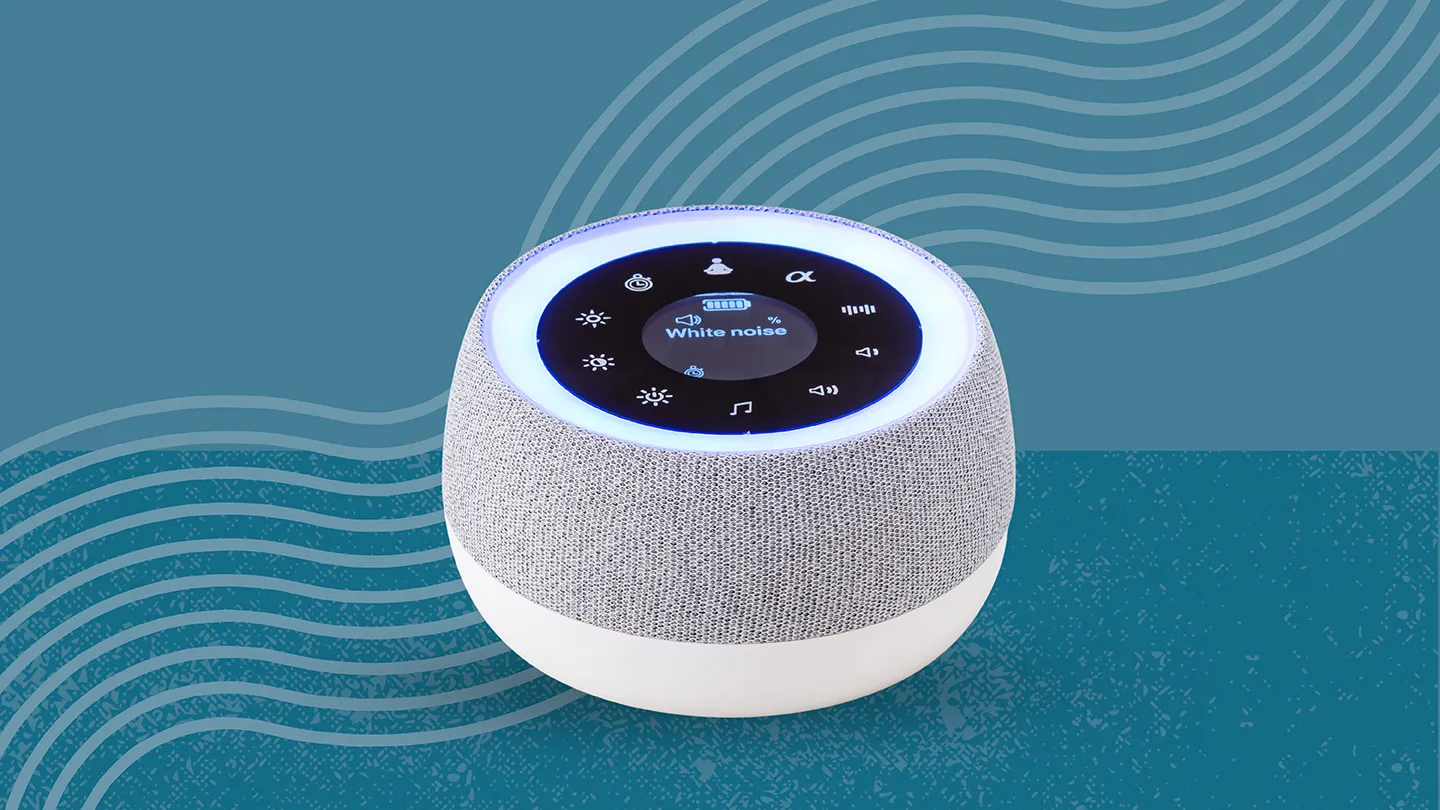

If you constantly wake up tired, struggle to fall asleep, or hit snooze five times every morning, a sleep clock might completely change your sleep routine.
Modern sleep clocks are no longer just simple alarm clocks. Today’s smart sleep clocks use light therapy, calming sounds, sleep tracking, and circadian rhythm support to help people sleep better and wake up naturally.
For many people, improving sleep is not about sleeping longer — it’s about sleeping smarter.
What Is a Sleep Clock?
A sleep clock is a device designed to improve your sleep schedule and wake-up routine by working with your body’s natural circadian rhythm.
Unlike traditional alarms that shock you awake with loud sounds, sleep clocks often use:
- Sunrise simulation lighting
- Gentle audio alarms
- Sleep sounds and white noise
- Sleep tracking technology
- Smart scheduling features
The goal is to help your body wake up more naturally and reduce sleep inertia — that groggy feeling many people experience in the morning.
Research around circadian rhythms and chronotypes shows that our bodies naturally prefer different sleep and wake schedules.
How Sleep Clocks Improve Sleep Quality
Many sleep experts believe that maintaining a consistent sleep schedule is one of the most important factors for quality sleep.
Sleep clocks can help by:
- Encouraging consistent bedtimes
- Supporting natural wake-up cycles
- Reducing harsh alarm stress
- Helping regulate circadian rhythm
- Improving sleep habits over time
People who struggle with:
- insomnia
- inconsistent sleep schedules
- late-night scrolling
- poor wake-up routines
often benefit the most.
According to sleep research and sleep-focused communities, light exposure and routine consistency play a major role in sleep quality.
Types of Sleep Clocks
1. Sunrise Alarm Clocks
These are among the most popular sleep clocks today.
Instead of a loud alarm, the clock gradually increases brightness to simulate a sunrise. This helps your brain transition naturally from sleep to wakefulness.
Benefits:
- Gentler wake-ups
- Improved mood
- Better energy levels
- Reduced morning grogginess
These are especially useful during darker seasons or for people who wake up before sunrise.
2. Smart Sleep Clocks
Smart sleep clocks combine alarms with:
- sleep tracking
- white noise
- smart home integration
- app controls
- breathing exercises
Some models even analyze sleep patterns and recommend better bedtime schedules.
These devices are ideal for:
- tech lovers
- biohackers
- people focused on sleep optimization
3. Kids Sleep Clocks
Children’s sleep clocks use colors and visual indicators to teach healthy sleep routines.
For example:
- Blue = bedtime
- Yellow = wake-up soon
- Green = okay to leave bed
Parents use these to help children build healthy sleep habits and avoid very early wake-ups.
4. White Noise Sleep Clocks
These combine:
- relaxing sounds
- nature audio
- rain sounds
- fan noise
- calming music
White noise can help block distracting environmental sounds and improve relaxation before sleep.
Best Features To Look For in a Sleep Clock
Choosing the right sleep clock depends on your sleep problems and lifestyle.
Important Features
Sunrise Simulation
Gradual lighting helps support your circadian rhythm naturally.
Adjustable Brightness
Useful for sensitive sleepers.
White Noise and Sleep Sounds
Helps improve relaxation and reduce nighttime distractions.
Smart App Controls
Allows customization and sleep tracking.
Multiple Alarm Profiles
Helpful for different schedules.
Sleep Tracking
Provides insight into your sleep habits.
Sleep Clocks and Circadian Rhythm
Your circadian rhythm acts like an internal body clock controlling:
- sleepiness
- alertness
- hormone release
- energy levels
Chronotypes also affect sleep timing. Some people naturally function better early in the morning, while others are more productive at night.
A good sleep clock helps reinforce healthy timing cues using:
- light exposure
- consistent wake-up times
- calming nighttime routines
This can improve:
- mood
- productivity
- focus
- energy
Can Sleep Clocks Help With Insomnia?
Sleep clocks are not a medical cure for insomnia, but many users report improvements in:
- sleep consistency
- relaxation
- wake-up quality
- bedtime routines
Online sleep communities frequently mention that improving circadian rhythm consistency and reducing nighttime stimulation can improve sleep dramatically.
However, persistent sleep issues should always be discussed with a healthcare professional.
Best Sleep Habits to Combine With a Sleep Clock
A sleep clock works best alongside healthy sleep habits.
Build a Better Sleep Routine
Keep a Consistent Bedtime
Going to bed at wildly different times confuses your body clock.
Reduce Screen Time Before Bed
Blue light from phones and tablets can delay melatonin production.
Keep Your Room Cool
Many sleepers report better sleep in cooler environments.
Get Morning Sunlight
Morning light exposure helps reset your internal clock naturally.
Avoid Heavy Meals Late at Night
Eating too close to bedtime may disrupt sleep quality.
Are Sleep Clocks Worth It?
For many people, yes.
A quality sleep clock can:
- improve wake-up quality
- encourage better sleep habits
- reduce harsh alarm stress
- support circadian rhythm alignment
They are especially useful for:
- students
- remote workers
- night owls
- light sleepers
- people with inconsistent schedules
If your current alarm leaves you feeling exhausted every morning, switching to a smarter sleep-focused alarm system may be one of the easiest sleep upgrades you can make.
Final Thoughts
Better sleep is not just about spending more time in bed. It’s about improving sleep quality, consistency, and recovery.
A sleep clock can help create a healthier sleep routine by working with your body instead of against it.
Whether you choose a sunrise alarm, smart sleep tracker, or white noise sleep clock, building healthier sleep habits can lead to:
- better mornings
- improved focus
- more energy
- improved overall wellness
For more sleep optimization tips, sleep gadget reviews, and better sleep guides, visit Sleeping Zones.