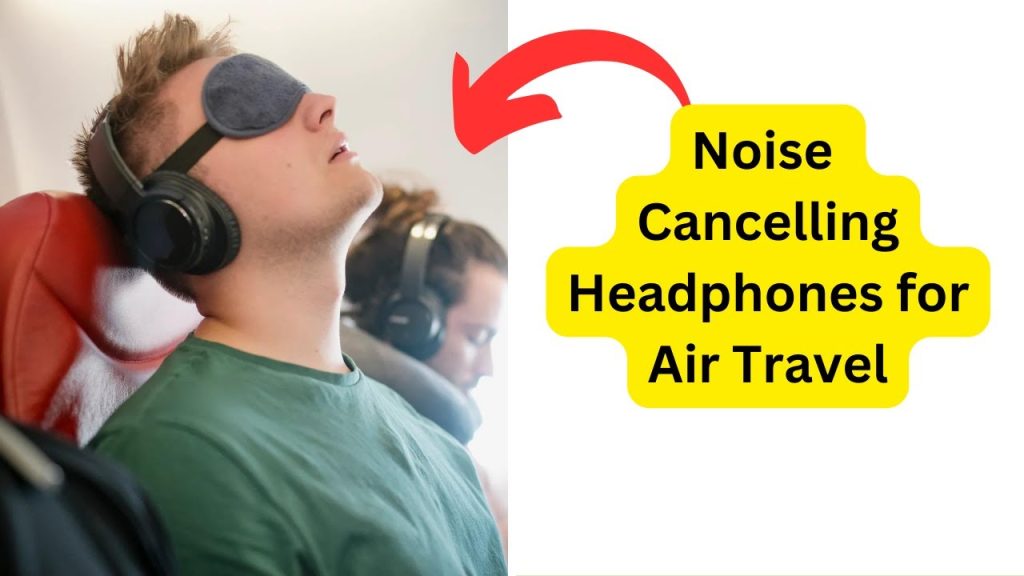
The struggle is universal. You’re nestled into your seat, the cabin lights are dimmed, and you’re desperately hoping to get a few precious hours of sleep before you land. But instead of drifting off, you’re locked in a battle with a relentless opponent: noise. The constant, low-frequency roar of the engines. The high-pitched whir of the pressurization system. The chatter from the galley, the crying infant a few rows back, the passenger watching a movie without headphones. This cacophony isn’t just annoying; it’s a fundamental barrier to achieving the rest you need to hit the ground running.
For the modern traveler, especially those crossing time zones, sleep isn’t a luxury—it’s a necessity. This is where technology offers a powerful solution. Noise-cancelling (ANC) headphones have evolved from an audiophile’s gadget to an essential tool for the travel-weary. They don’t just play music; they actively engineer silence. In this comprehensive guide, we’ll explore the science behind the noise, how ANC technology works to defeat it, and how you can leverage the best 2025 has to offer to finally claim your in-flight peace and sleep.
Why Plane Noise is the Ultimate Sleep Saboteur
To understand the solution, we must first appreciate the problem. The cabin of an airplane is an acoustically hostile environment, uniquely designed to disrupt our natural sleep patterns.
The Science of Sound and Sleep Disruption
Sleep is a complex neurological process, and our brains remain alert to our environment even while we slumber. Sudden, sharp noises can cause micro-arousals—brief interruptions in sleep that pull you out of deeper, more restorative stages like REM and slow-wave sleep. Even if you don’t fully wake up, these interruptions fragment your sleep architecture, leaving you feeling groggy and unrefreshed. The consistent, predictable noise on a plane is particularly insidious because it masks other sounds, forcing your brain to remain in a state of heightened alertness, never allowing it to fully relax into deep sleep.
Breaking Down the Roar: Engine Hum, Cabin Pressurization, and Chatter
Aircraft noise isn’t random; it’s a layered soundtrack of distinct frequencies. The most prominent is the low-frequency drone (85-120 Hz) of the jet engines, a sound that permeates the entire cabin structure. Then there’s the mid-to-high-frequency whine from the air conditioning and pressurization systems. Finally, you have the unpredictable staccato of human noise—conversations, cabin service, and announcements. This combination is kryptonite for sleep, as it engages multiple auditory threat-response pathways in the brain simultaneously.
Beyond Annoyance: The Real Impact of Noise on Your Travel Health
The consequences of sleep deprivation go far beyond simple fatigue. For frequent flyers, chronic jet lag and poor in-flight sleep can weaken the immune system, increase stress levels (cortisol), impair cognitive function and memory, and disrupt metabolic health. By failing to sleep on a long-haul flight, you are essentially starting your trip at a significant deficit. Investing in quality sleep is investing in your overall travel wellness and productivity.
How Noise Cancelling Technology Creates a Sanctuary for Sleep
So, how do noise-cancelling headphones perform their magic? It’s not about building a thicker ear cup; it’s about using sophisticated electronics to fight fire with fire, or rather, sound with sound.
Active vs. Passive Noise Cancellation: What It Means for You
All headphones provide some level of Passive Noise Cancellation (PNC). This is simply the physical barrier created by the ear cups or ear tips that blocks sound waves from reaching your eardrum. It’s most effective at higher frequencies. Active Noise Cancellation (ANC) is the technological marvel. Tiny microphones on the headphones pick up incoming ambient sound. onboard electronics then generate a sound wave that is the exact mirror image (the “anti-phase”) of the ambient noise. When these two waves meet, they cancel each other out through a process called destructive interference, resulting in silence.
The Magic of Anti-Phase Sound Waves
Imagine a wave on a graph. The anti-phase wave is its perfect opposite. When the original wave is at its peak, the anti-phase wave is at its trough. When they meet, they flatten each other out. This is precisely what happens inside the ear cup of an ANC headphone. The engine’s rumble is met with an equal and opposite rumble, neutralizing it before it ever reaches your ear.
Why ANC is Particularly Effective Against Low-Frequency Drone
The technology is exceptionally good at cancelling consistent, low-frequency sounds—exactly the type of noise produced by jet engines. These sounds are predictable and easier for the headphone’s processor to analyze and counter in real-time. This is why the moment you activate ANC on a plane, the most noticeable change is the sudden absence of that overwhelming background roar, leaving you with a profound, almost eerie sense of quiet.
Top Noise Cancelling Headphones for Plane Sleep in 2025 & Beyond
Choosing the right pair is crucial. The best headphone for sleep isn’t necessarily the one with the absolute highest-fidelity sound; it’s the one that combines world-class ANC with supreme comfort for long-term wear.
Best Overall for Sleep & Sound Quality: Bose QuietComfort Ultra Headphones
Bose practically invented the category of travel ANC, and the QuietComfort Ultra Headphones continue that legacy. They offer arguably the most comfortable and effective package for a sleeper. Their ANC performance is top-tier, effectively erasing the low-end drone. Where they truly shine is in their weight distribution and plush, deep ear cups (made from a new protein leather blend) that avoid putting pressure on your ears—a critical factor if you’re leaning against a window. Their sound signature is warm and balanced, perfect for calming music or white noise. The battery life of up to 24 hours with ANC on is more than sufficient for any flight on Earth.
The Benchmark for ANC Performance: Sony WH-1000XM6
The Sony WH-1000XM series has been a consistent rival to Bose, and the XM6s push the envelope even further. They often edge out the competition in raw ANC power, using dual-processor chips and Auto NC Optimizer to tailor the cancellation to your environment and air pressure. They feature 360 Reality Audio for an immersive soundscape and industry-leading 30-hour battery life. Some users find the sound signature a bit more bass-heavy, which can be great for music but might not be for everyone when trying to sleep. Their comfort is excellent, though the ear cups can run slightly warmer than the Bose during extended use.
The Premium Choice for Apple Users: Apple AirPods Max 2
Rumored for a 2025 release, the anticipated AirPods Max 2 are expected to address the few shortcomings of the original. For deep integration within the Apple ecosystem, they are unmatched. Features like seamless device switching, Spatial Audio with dynamic head tracking, and the stellar transparency mode are fantastic. The build quality is premium, though heavier. The key upgrade expected is a USB-C port and a more travel-friendly case. Their ANC is exceptional, and the unique mesh canopy headband does an excellent job of distributing weight. They are a premium-priced, premium-experience option for the dedicated Apple traveler.
Best Value Pick: Anker Soundcore Space Q45
You don’t have to spend a fortune to get excellent noise cancellation. The Anker Soundcore Space Q45 delivers astonishing performance for its price point. With LDAC support for high-resolution audio, customizable ANC via a companion app, and a whopping 50-hour battery life, they are a incredible workhorse. While they might not cancel quite as much noise as the Bose or Sony in the very highest frequencies, they demolish engine drone effectively. The comfort is very good, making them the smartest choice for the budget-conscious traveler who doesn’t want to compromise on core sleep benefits.
Key Features to Compare Before You Buy
To make an informed decision, you need to look beyond brand names and focus on the specifications that directly impact your in-flight sleep experience.
| Feature | Bose QuietComfort Ultra | Sony WH-1000XM6 | Apple AirPods Max 2 (Expected) | Anker Soundcore Space Q45 |
|---|---|---|---|---|
| ANC Performance | Exceptional, best-in-class comfort | Best-in-class raw cancellation | Exceptional, great transparency | Very Good for the price |
| Battery Life (ANC On) | Up to 24 hours | Up to 30 hours | Up to 22 hours (Expected) | Up to 50 hours |
| Weight | 253g | 250g | 385g (Gen 1) | 292g |
| Key Strength | All-day comfort, balanced sound | Raw ANC power, battery life | Ecosystem integration, build | Incredible value, battery life |
| Foldable? | Yes (with case) | Yes (with compact case) | No (Expected) | Yes (with case) |
| Estimated Price | ~$429 | ~$399 | ~$549 | ~$149 |
Decoding Battery Life: Active ANC vs. Playback Time
Pay close attention to how battery life is stated. “Up to 50 hours” usually refers to playback time with ANC turned off. The relevant figure for your flight is the “with ANC on” number. All the models listed above have more than enough battery for a longest commercial flight, but it’s a key differentiator in the value category.
Comfort is King: Weight, Clamp Force, and Ear Cup Material
For sleep, comfort is non-negotiable. Weight is a major factor; lighter models (sub-300g) are less likely to cause neck strain. Clamp force is the pressure the headband exerts—too little and they fall off when you nod asleep; too much and they cause headaches. Ear cup material and depth are vital; memory foam and protein leather are soft and allow your ears to breathe, preventing heat buildup over many hours.
The Travel Factor: Foldability, Case Quality, and Bluetooth Multipoint
A good travel headphone must be portable. Foldability compactly reduces size for your carry-on. A hard-shell case is essential for protection. Bluetooth Multipoint allows the headphones to connect to two devices simultaneously (e.g., your phone and the inflight entertainment system), which is incredibly convenient. Also, check for a wired listening option (3.5mm jack) for use with seatback screens that don’t have Bluetooth.
Beyond the Headphones: Pro Tips for Sleeping on a Plane
Your headphones are your most powerful tool, but combining them with other strategies creates an unbeatable sleep sanctuary.
Curating Your Sleep Sanctuary: Music, Soundscapes, and Apps
Don’t just listen to your regular playlist. Use your newfound silence to play content designed for sleep. Apps like Calm, Headspace, or MyNoise offer curated sleep stories, guided meditations, and endlessly customizable soundscapes (e.g., pink noise, brown noise, gentle rain) that are scientifically shown to promote deeper sleep by masking any residual noise and calming the mind.
Pairing ANC with Other Sleep Aids: Eye Masks and Neck Pillows
Silence is one sense; you must also address sight and posture. A good memory foam neck pillow supports your head and prevents painful jolts. A 100% blackout eye mask signals to your brain that it’s time for sleep, regardless of the cabin lighting. Together with ANC, this trio creates a holistic sensory-deprivation environment ideal for sleep.
Preparing Your Body: Hydration, Avoiding Caffeine, and Sleep Schedule
Technology can’t override biology. Start preparing before you fly. Hydrate aggressively before and during the flight, as cabin air is extremely dehydrating. Avoid alcohol and caffeine, both of which severely disrupt sleep architecture. If crossing time zones, try to gradually adjust your sleep schedule in the days before your flight and use the flight to align with your destination’s time zone.
Addressing Common Concerns About In-Flight Headphone Use
It’s natural to have questions about using this technology in a unique environment like an airplane.
Will I Still Hear Important Flight Announcements?
This is a valid safety concern. Most high-end ANC headphones now feature a Transparency or Ambient Sound mode. With a simple tap, the microphones pipe outside sound into your ears, allowing you to hear announcements clearly without removing your headphones. You can often customize the level of ambient sound in the companion app, giving you full control.
Bluetooth Restrictions: What You Need to Know
Bluetooth use is typically permitted during the flight once the cabin crew gives the all-clear (above 10,000 feet). However, to connect to older seatback entertainment systems that lack Bluetooth, you will need a wired connection. Always carry a 3.5mm audio cable (and a potential lightning to 3.5mm dongle for iPhones) as a backup. This ensures you can watch movies without draining your headphone battery.
Over-Ear vs. In-Ear: Which is Truly Better for Sleeping?
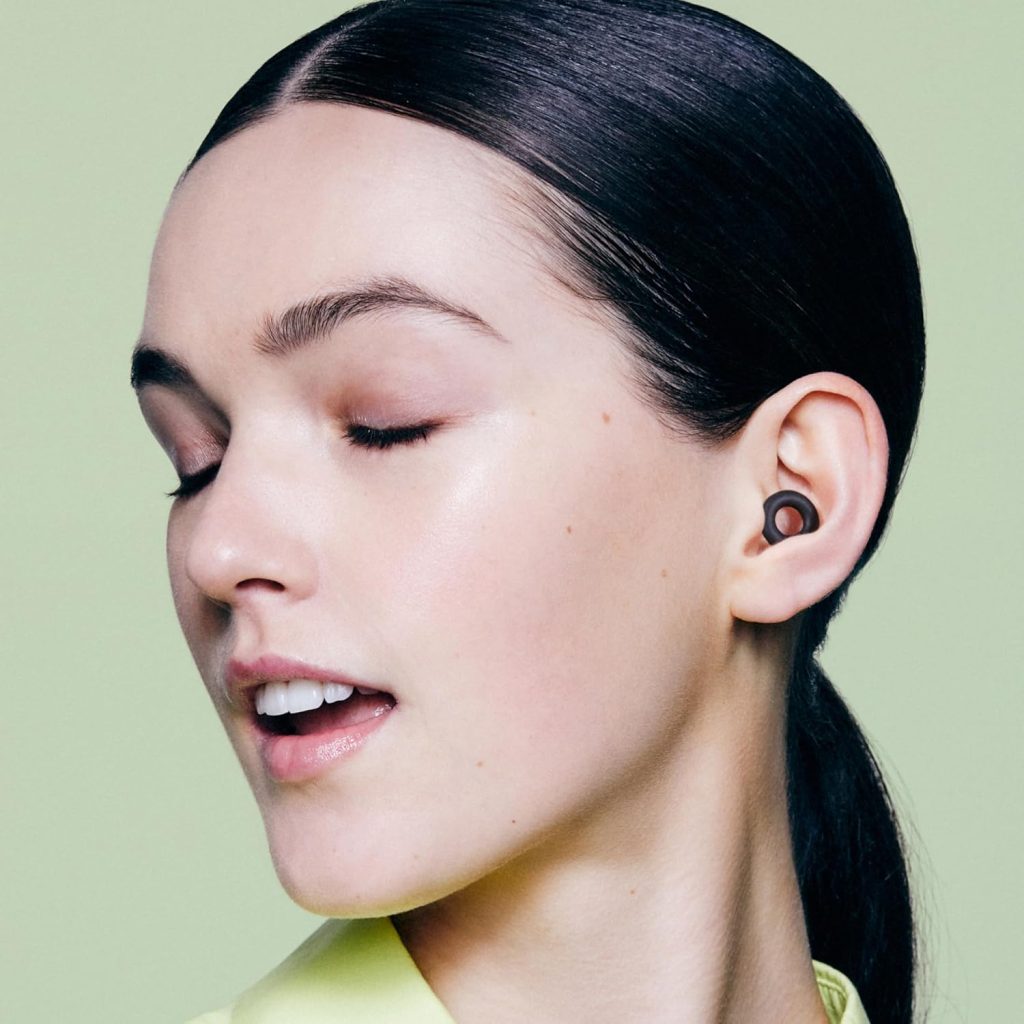
This is a matter of personal preference, but each has pros and cons. Over-Ear headphones generally offer superior ANC and sound quality, and don’t put pressure inside your ear canal. However, they are bulkier and can be difficult to sleep on your side with. In-Ear Earbuds (like the Bose QuietComfort Earbuds II or Sony WF-1000XM5) are incredibly portable and allow you to sleep on your side easily. Their ANC is remarkably good, though can sometimes create a feeling of pressure in the ears for some users. For strict side-sleepers, high-end ANC earbuds may be the better choice.
Conclusion: Your Ticket to Tranquility is Here
The dream of waking up from a long-haul flight feeling refreshed, alert, and ready to explore is no longer a fantasy. It’s an achievable reality thanks to the incredible advancement of noise-cancelling technology. By understanding the science of sleep disruption and strategically using a pair of well-chosen headphones as the centerpiece of your sleep strategy, you can transform the noisy, chaotic cabin into your personal sleep sanctuary.
Investing in a pair of quality noise-cancelling headphones is not just a purchase for better audio; it’s an investment in your health, well-being, and the quality of your entire travel experience. Silence the sky, reclaim your rest, and arrive as your best self.