
Why Snoring💤 Happens (and Why It Matters)
Snoring isn’t just “noise during sleep.” It’s your body sending a signal that airflow is being partially blocked while you sleep.
Ever wondered why some people snore loudly while others don’t snore at all? Or why your snoring gets worse after a long day, alcohol, or sleeping on your back?
The truth is simple: snoring happens when air can’t move freely through your throat and nose during sleep.
That vibration of tissues creates the sound we call snoring.
The good news? In many cases, snoring can be reduced or even stopped completely with the right changes.
In this guide, you’ll learn 15 proven, practical ways to stop snoring naturally—from quick fixes to long-term solutions.
🧠 Quick Answer: How Do You Stop Snoring?
You can stop snoring by improving airflow during sleep. The most effective methods include:
- Sleeping on your side
- Clearing nasal congestion
- Losing excess weight (if applicable)
- Avoiding alcohol before bed
- Using nasal strips or anti-snoring devices
- Treating underlying conditions like sleep apnea
Now let’s break it down properly.
🌙 15 Proven Ways to Stop Snoring Naturally
🛏️ 1. Sleep on Your Side (Not Your Back)
Sleeping on your back causes your tongue and soft tissues to collapse backward, blocking airflow.
👉 Side sleeping helps keep your airway open naturally.
Tip: Use a body pillow to stay in position.
🧍 2. Elevate Your Head While Sleeping
Raising your head slightly reduces airway pressure.
Try:
- A wedge pillow
- Adjustable bed angle
- Extra pillow support (not too high)
This can significantly reduce mild snoring.
👃 3. Clear Nasal Congestion
Blocked nasal passages force you to breathe through your mouth, increasing snoring.
Try:
- Steam inhalation before bed
- Saline nasal sprays
- Hot showers before sleep
👃 4. Use Nasal Strips
Nasal strips physically open your nostrils to improve airflow.
They are especially helpful for:
- nasal congestion
- allergies
- mild snoring
👉 Many users notice immediate improvement in breathing comfort.
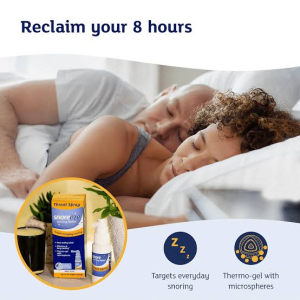
🧴 5. Try Anti-Snoring Sprays (With Caution)
Some sprays aim to lubricate or tighten throat tissues.
However:
- Results vary
- Works better for mild snorers
- Not a permanent fix
They may help, but should not be your only solution.
⚖️ 6. Maintain a Healthy Weight
Extra fat around the neck can compress airways during sleep.
Even a small reduction in weight can:
- reduce snoring intensity
- improve breathing quality
- enhance sleep depth
🍺 7. Avoid Alcohol Before Bed
Alcohol relaxes throat muscles too much.
This leads to:
- airway collapse
- louder snoring
- worse sleep quality
👉 Avoid alcohol at least 3–4 hours before bedtime.
🚬 8. Avoid Smoking
Smoking irritates airways, causing inflammation and blockage.
This makes snoring:
- more frequent
- louder
- harder to treat
🕒 9. Stick to a Sleep Schedule
Irregular sleep causes poor muscle control in the throat.
Aim for:
- consistent bedtime
- 7–9 hours of sleep
💤 10. Treat Allergies Properly
Allergies block nasal airways.
You can use:
- antihistamines (if needed)
- air purifiers
- clean bedding regularly
🛏️ 11. Try Anti-Snoring Pillows
These pillows are designed to:
- align your neck
- improve airflow
- reduce airway obstruction
👉 They work best for positional snorers.
😮 12. Practice Throat Exercises
Strengthening throat muscles can reduce vibration during sleep.
Simple exercises:
- repeating vowel sounds
- tongue sliding
- soft palate training
🧠 13. Strengthen Jaw Position (Mouth Devices)
Mandibular devices help keep the jaw forward.
They are often used for:
- moderate snoring
- mild sleep apnea
🧘 14. Reduce Stress Before Bed
Stress affects breathing patterns and sleep quality.
Try:
- breathing exercises
- meditation
- screen-free time before sleep
⚠️ 15. Check for Sleep Apnea (Important)
If snoring is accompanied by:
- gasping for air
- extreme tiredness
- pauses in breathing
You may have sleep apnea.
👉 This requires medical evaluation.
🧩 When Natural Methods Aren’t Enough
Sometimes lifestyle changes alone are not enough.
In those cases, consider:
- anti-snoring devices
- nasal dilators
- oral appliances
- medical consultation
🏆 Best Anti-Snoring Products (Quick Overview)
Here are commonly used solutions:
- Nasal strips → quick airflow boost
- Anti-snoring pillows → posture correction
- Mouthpieces → jaw repositioning
- Sprays → mild symptom relief
👉 These work best when combined with lifestyle changes.
🧠 Key Takeaway
Snoring isn’t random—it has causes.
And the best results come when you combine:
- better sleep posture
- clear airways
- healthy lifestyle habits
- and the right sleep tools
You don’t need to try everything. Start with 2–3 methods and adjust.
❓ FAQs
Why do I snore every night?
Usually due to airway obstruction, sleeping position, or nasal congestion.
Is snoring dangerous?
Occasional snoring is normal, but loud chronic snoring may indicate sleep apnea.
Can snoring be cured permanently?
In many cases, yes—especially when caused by lifestyle factors.
Do nasal strips really work?
They help improve airflow but are not a permanent cure.
🌙 Final Word
If snoring is affecting your sleep or your partner’s rest, you don’t have to ignore it.
Start small. Fix your sleep position. Clear your nose. Remove triggers.
Then build from there.
Because better sleep isn’t a luxury—it’s a daily reset your body needs.