
A few years ago, people bragged about sleeping four hours a night.
Now the internet is doing the exact opposite.
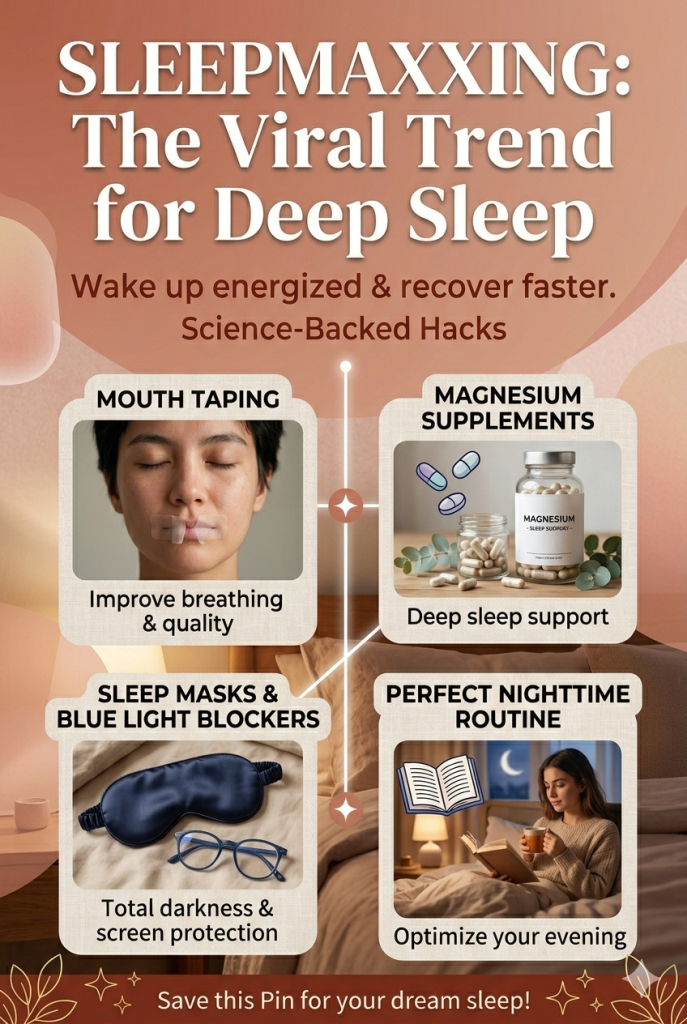
TikTok creators are wearing blue-light glasses after sunset, covering their mouths with sleep tape, tracking REM cycles on smart rings, blasting brown noise through expensive speakers, taking magnesium glycinate before bed, and spending hundreds of dollars trying to engineer the “perfect night of sleep.”
Welcome to the era of sleepmaxxing.
What started as a niche wellness trend has exploded into one of the internet’s biggest self-improvement obsessions. Search interest for sleep optimization has surged across platforms as younger audiences become increasingly aware that poor sleep destroys energy, mood, productivity, recovery, appearance, and mental health. Unlike old-school hustle culture that glorified exhaustion, sleepmaxxing treats quality sleep like a competitive advantage.
And honestly? The trend exists for a reason.
Modern life is wrecking sleep. People spend hours staring at bright screens, doomscroll late into the night, consume caffeine like survival fuel, work under chronic stress, and then wonder why they wake up exhausted despite spending eight hours in bed. Sleepmaxxing emerged as a reaction to that burnout culture.
But there’s another reason this movement exploded: sleep has become measurable.
Wearables like the Oura Health Ring, Apple Watch, WHOOP bands, and sleep-tracking apps transformed rest into data. Suddenly people could see their sleep scores, REM cycles, heart-rate variability, oxygen levels, and recovery metrics every morning. Sleep stopped feeling mysterious and started feeling hackable.
Some sleepmaxxing habits are backed by real science. Others are overhyped internet rituals wrapped in biohacking aesthetics. This article breaks down what sleepmaxxing actually is, why millions are obsessed with it, what methods truly improve sleep, and where the trend starts drifting into unhealthy obsession.
Article Outline
- H1: Sleepmaxxing: The Internet’s New Obsession With Perfect Sleep
- H2: What Is Sleepmaxxing?
- H3: Where the Trend Started
- H3: Why Gen Z and Millennials Love It
- H2: Why Sleep Became the New Status Symbol
- H3: The Death of Hustle Culture
- H3: The Rise of Wellness Optimization
- H2: The Most Popular Sleepmaxxing Habits
- H3: Mouth Taping
- H3: Magnesium Glycinate
- H3: Brown Noise and Sleep Audio
- H3: Blue-Light Blocking
- H3: Cold Bedrooms
- H3: Sleep Tracking Wearables
- H2: What Science Actually Supports
- H3: Circadian Rhythm Research
- H3: Sleep Consistency
- H3: Light Exposure and Melatonin
- H2: The Dark Side of Sleepmaxxing
- H3: Sleep Anxiety and Orthosomnia
- H3: Expensive Wellness Consumerism
- H3: Unrealistic Perfectionism
- H2: How Social Media Supercharged Sleepmaxxing
- H3: TikTok’s Influence
- H3: Viral Sleep Routines
- H2: Best Sleepmaxxing Habits That Actually Work
- H3: Building a Realistic Routine
- H3: Habits With the Highest Impact
- H2: Sleepmaxxing vs Biohacking
- H3: Similarities and Differences
- H2: Is Sleepmaxxing Worth It?
- H2: Conclusion
- H2: FAQs
- H2: What Is Sleepmaxxing?
What Is Sleepmaxxing?
Sleepmaxxing is the practice of optimizing sleep quality using habits, products, routines, and technology designed to maximize recovery, energy, and overall performance. Think of it as the sleep version of fitness optimization. Instead of chasing six-pack abs or marathon times, people are chasing deeper REM sleep, higher sleep scores, and perfect recovery metrics.
The trend exploded across TikTok, Reddit, YouTube, and wellness communities during the past two years. Young people began sharing elaborate nighttime routines featuring:
- Magnesium supplements
- Mouth tape
- Sleep masks
- Cooling mattresses
- Brown noise playlists
- Smart sleep trackers
- Red-light therapy
- Strict “no phone” rules before bed
Some creators turned sleep into a full-blown lifestyle aesthetic. Dim lighting, expensive bedding, minimalist bedrooms, and detailed “night routines” became social media content categories of their own.
The movement reflects a huge cultural shift. For years, hustle culture treated sleep like weakness. Entrepreneurs bragged about surviving on four hours of rest while glorifying burnout. Sleepmaxxing flips that mentality upside down. Now people view high-quality sleep as a productivity weapon.
And science supports at least part of that idea.
Sleep directly affects:
- Cognitive performance
- Hormone regulation
- Immune function
- Emotional stability
- Athletic recovery
- Memory formation
- Appetite control
Recent research from the Centers for Disease Control and Prevention continues warning that chronic sleep deprivation increases risks for obesity, depression, heart disease, diabetes, and impaired mental performance.
In other words, sleep is no longer just rest. It’s infrastructure for the brain and body.
Why Sleep Became the New Status Symbol
For a long time, exhaustion was romanticized. People wore burnout like a badge of honor. Working late, answering emails at midnight, and surviving on caffeine became symbols of ambition.
But eventually, people realized something uncomfortable: constant exhaustion destroys quality of life.
That realization hit especially hard after the pandemic. Millions experienced stress, disrupted schedules, anxiety, and worsening sleep habits. Conversations around mental health exploded online, and sleep became a central part of the discussion.
At the same time, wellness culture evolved. Instead of focusing only on appearance, people became obsessed with optimization:
- Better recovery
- Better focus
- Better hormones
- Better energy
- Better longevity
Sleepmaxxing fits perfectly into that mindset.
Good sleep also became aspirational because it’s increasingly rare. According to the American Academy of Sleep Medicine, adults should generally aim for at least seven hours of sleep nightly, yet many consistently fall short due to stress, screens, and poor routines.
Ironically, in a hyperconnected world full of distractions, sleeping well now feels almost luxurious.
That’s why social media exploded with “perfect night routine” content. Sleep stopped being passive and became something people actively train, measure, and optimize.
The Most Popular Sleepmaxxing Habits
Sleepmaxxing includes dozens of trends, but some habits dominate the conversation more than others.
Mouth Taping
One of the most controversial sleepmaxxing trends involves taping the mouth shut during sleep to encourage nasal breathing. Supporters claim it reduces snoring, improves sleep quality, and prevents dry mouth.
The trend went massively viral on TikTok, though sleep experts warn it’s not safe for everyone—especially people with nasal obstruction or untreated sleep apnea.
Magnesium Glycinate
Magnesium supplements became one of the biggest sleep wellness products online. Many users take magnesium glycinate before bed because it may help relaxation and muscle recovery.
Searches for magnesium sleep supplements exploded as wellness influencers promoted nighttime supplementation routines.
Brown Noise and Sleep Audio
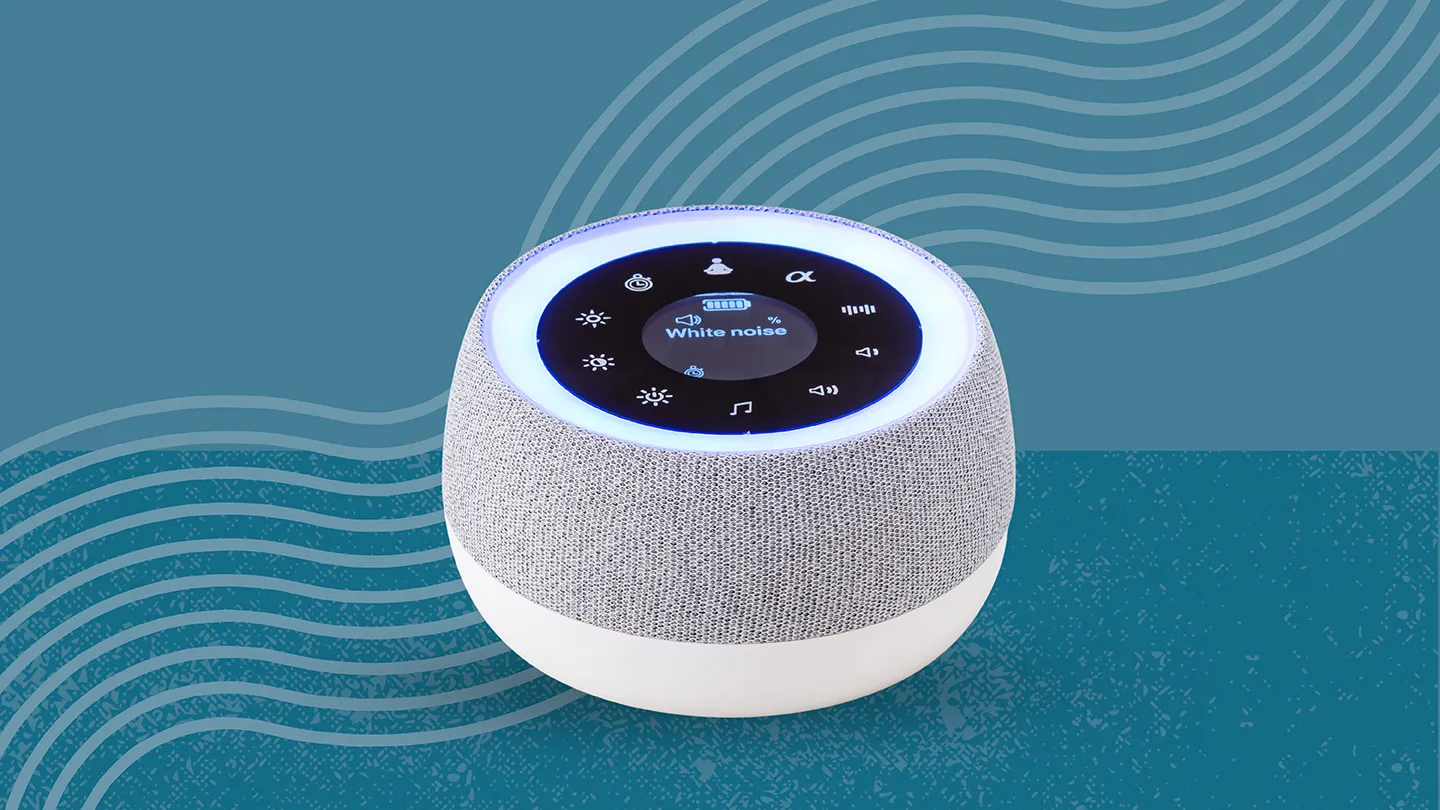
Brown noise became the internet’s favorite sleep sound. Unlike white noise, brown noise contains deeper, softer frequencies that many listeners describe as calming and immersive.
Millions now stream:
- Brown noise
- Rain sounds
- Thunderstorms
- Forest ambience
- Binaural beats
Some users claim brown noise helps quiet racing thoughts better than silence.
Blue-Light Blocking
Sleepmaxxing communities became obsessed with reducing artificial light exposure at night. Blue-light glasses, dim lighting, sunset lamps, and screen filters all aim to protect melatonin production before bedtime.
Research suggests nighttime light exposure can disrupt circadian rhythms and delay sleep onset.
Cold Bedrooms
Sleep experts consistently emphasize cooler sleeping environments. Many sleepmaxxers aim for bedroom temperatures around 60–67°F (15–19°C), which supports the body’s natural nighttime cooling process.
Cooling mattresses and temperature-regulating bedding became massive wellness products as a result.
Sleep Tracking Wearables
This may be the biggest driver behind sleepmaxxing’s popularity.
Devices like:
- Apple Watch
- WHOOP
- Oura Ring
- Fitbit
…allow users to track sleep stages, heart rate variability, oxygen levels, movement, and recovery scores. Sleep became gamified. Every morning people check their “sleep score” like athletes checking performance stats.
What Science Actually Supports
The internet loves exaggeration, but several sleepmaxxing principles genuinely align with established sleep science.
Circadian Rhythm Research
Your body operates on an internal biological clock called the circadian rhythm. This system regulates:
- Sleep timing
- Hormones
- Body temperature
- Alertness
- Metabolism
Consistent sleep schedules strongly support circadian health. Going to bed and waking up at roughly the same time daily remains one of the most evidence-backed sleep strategies available.
Light Exposure and Melatonin
Morning sunlight exposure helps regulate circadian rhythms while bright nighttime light can suppress melatonin production.
This is one reason sleep experts often recommend:
- Morning outdoor light
- Reduced screen exposure before bed
- Dim lighting at night
These habits genuinely help many people sleep more consistently.
Sleep Consistency Matters More Than Perfection
Research increasingly suggests that regular sleep timing may matter just as much as total sleep duration. Constantly shifting sleep schedules—even while getting enough hours—can still disrupt recovery and energy levels.
This is where sleepmaxxing often gets something right: consistency matters enormously.
The Dark Side of Sleepmaxxing
Like many internet wellness trends, sleepmaxxing has a darker side hiding beneath the aesthetics.
Sleep Anxiety and Orthosomnia
Some people become so obsessed with achieving perfect sleep that the stress itself worsens insomnia. Sleep specialists call this “orthosomnia,” a condition where excessive focus on sleep metrics creates anxiety around sleeping.
Instead of feeling rested, users spiral into:
- Obsessing over sleep scores
- Panicking after bad nights
- Constantly changing routines
- Over-monitoring sleep data
Ironically, chasing perfect sleep can destroy natural sleep patterns.
Expensive Wellness Consumerism
Sleepmaxxing also became a massive business.
Social media pushes endless products:
- $500 cooling blankets
- $300 sleep masks
- Smart mattresses
- Luxury supplements
- Red-light devices
- Expensive trackers
Some tools genuinely help. Others are simply wellness marketing wrapped in futuristic branding.
The reality is that basic sleep hygiene still outperforms many trendy gadgets.
Unrealistic Perfectionism
The internet often portrays sleepmaxxing as flawless routines performed by people with perfect lifestyles. Real life is messier.
Parents lose sleep. Shift workers struggle with schedules. Stress happens. Bad nights happen.
Healthy sleep should improve life—not become another impossible standard.
How Social Media Supercharged Sleepmaxxing
TikTok deserves enormous credit for turning sleep into viral entertainment.
Creators began posting:
- “Night routine” videos
- Sleep transformation journeys
- Bedroom optimization content
- Sleep gadget reviews
- Sleep score screenshots
The algorithm loved it because sleep content taps directly into pain points millions relate to.
Everyone wants more energy.
And unlike complicated fitness advice, sleep hacks feel accessible. Drinking magnesium tea or using brown noise seems easier than completely transforming your diet or workout routine.
Social media also amplified biohacking culture. Sleep became tied to:
- Productivity
- Self-improvement
- Longevity
- Mental clarity
- Physical attractiveness
That combination made sleepmaxxing explode among Gen Z and younger millennials.
Best Sleepmaxxing Habits That Actually Work
Not every trend deserves attention. Some habits deliver far more value than others.
Here are the highest-impact sleepmaxxing strategies supported by actual sleep science:
| Habit | Impact Level | Science Support |
|---|---|---|
| Consistent sleep schedule | Very High | Strong |
| Morning sunlight exposure | Very High | Strong |
| Cooler bedroom temperature | High | Strong |
| Reduced nighttime screen exposure | High | Strong |
| Limiting caffeine late in day | High | Strong |
| Stress management | High | Strong |
| Sleep tracking awareness | Moderate | Growing |
| Mouth taping | Mixed | Limited |
| Expensive gadgets | Variable | Often weak |
The simplest habits usually work best.
Sleepmaxxing becomes powerful when it focuses on foundational behaviors rather than endless optimization gimmicks.
Sleepmaxxing vs Biohacking
Sleepmaxxing overlaps heavily with biohacking, but they’re not identical.
Biohacking focuses broadly on optimizing the human body using technology, supplements, and experimentation. Sleepmaxxing narrows that obsession specifically toward sleep quality and recovery.
Both communities love:
- Data tracking
- Performance optimization
- Wearables
- Supplements
- Recovery metrics
The difference is emotional tone.
Biohacking often feels futuristic and experimental. Sleepmaxxing feels more wellness-oriented and lifestyle-driven.
Still, the line between them continues to blur online.
Is Sleepmaxxing Worth It?
In many ways, yes.
The trend brought much-needed attention to sleep health at a time when exhaustion became normalized. Millions are finally recognizing that sleep affects nearly every aspect of physical and mental performance.
The healthiest version of sleepmaxxing focuses on:
- Consistency
- Recovery
- Stress reduction
- Better routines
- Sleep awareness
Problems only appear when optimization turns obsessive.
Perfect sleep does not exist. Human sleep naturally fluctuates. Chasing flawless sleep scores every night is like trying to control the weather.
The goal should be better sleep—not perfect sleep.
Conclusion
Sleepmaxxing reflects something deeper than another viral trend. It represents cultural burnout colliding with growing awareness about how essential sleep truly is.
People are exhausted.
They’re tired of brain fog, anxiety, low energy, poor focus, and waking up drained despite spending enough time in bed. Sleepmaxxing exploded because it offers hope that better recovery might improve everything else too.
And honestly, it often does.
Better sleep improves mood, focus, memory, hormones, immune function, stress resilience, and overall quality of life. That part of the trend is absolutely worth paying attention to.
But sleep should support your life—not dominate it.
The smartest approach is balancing evidence-based habits with realism. You probably don’t need a thousand-dollar sleep setup or a military-grade bedtime routine. Most people improve sleep dramatically through consistent schedules, healthier light exposure, reduced stress, and better nighttime habits.
Sometimes the best sleep hack is simply giving your body the rest it’s been begging for.
FAQs
1. What does sleepmaxxing mean?
Sleepmaxxing refers to optimizing sleep quality using routines, habits, technology, and wellness strategies designed to improve recovery and overall performance.
2. Is sleepmaxxing healthy?
It can be healthy when focused on evidence-based sleep habits like consistency and reduced nighttime light exposure. It becomes unhealthy when it creates anxiety or obsessive behavior around sleep.
3. What are the most popular sleepmaxxing trends?
Common trends include mouth taping, magnesium supplements, brown noise, sleep tracking wearables, blue-light blocking glasses, and cooling sleep environments.
4. Do sleep trackers actually help?
Sleep trackers can increase awareness of habits and patterns, though they are not perfectly accurate. They work best as trend-monitoring tools rather than medical devices.
5. Why is Gen Z obsessed with sleepmaxxing?
Gen Z grew up during periods of high stress, screen exposure, and burnout culture. Sleepmaxxing appeals because it combines wellness, productivity, self-improvement, and social media aesthetics.