
[ad_1]
Sleep paralysis is a phenomenon that many have experienced but few understand. For those who have encountered it, the feelings of dread, helplessness, and fear are all too real. This article delves into the science behind sleep paralysis, its causes, and potential coping strategies, providing clarity on a topic that has perplexed humanity for generations.
What is Sleep Paralysis?
Sleep paralysis occurs during the transition between wakefulness and sleep, particularly during REM (rapid eye movement) sleep when most dreaming occurs. During this state, the body becomes temporarily immobile, which is a natural mechanism to prevent individuals from acting out their dreams. In sleep paralysis, this protective mechanism persists even as the person regains consciousness, leading to an inability to move or speak for a few seconds to a couple of minutes.
Symptoms
The primary symptoms of sleep paralysis include:
-
Inability to Move or Speak: The most notable symptom, where individuals cannot move their bodies or vocalize, even though they may be fully aware of their surroundings.
-
Hallucinations: Many people report experiencing vivid and frightening hallucinations, which can be visual, auditory, or tactile. Commonly described scenarios include the feeling of a presence in the room or the sensation of pressure on the chest.
-
Sense of Panic: The inability to move, coupled with frightening hallucinations, often leads to a heightened sense of panic.
-
Duration: Episodes typically last from a few seconds to a couple of minutes, after which normal movement and speech return.
The Science of Sleep Paralysis
To understand sleep paralysis, one must first grasp the basics of sleep cycles, particularly REM sleep. The sleep cycle consists of stages, including non-REM and REM sleep. During REM sleep, the brain is highly active, which is why it’s the stage associated with vivid dreams. Simultaneously, the body undergoes atonia (muscle paralysis) to prevent the physical acting out of dreams.
Causes
While the exact cause of sleep paralysis is not fully understood, several factors contribute:
-
Sleep Deprivation: A lack of sufficient sleep increases the likelihood of experiencing sleep disorders, including sleep paralysis.
-
Irregular Sleep Schedules: Shift work, frequent travel across time zones, and inconsistent sleep patterns can disrupt the natural sleep cycle.
-
Sleep Disorders: Conditions like narcolepsy, insomnia, or sleep apnea can heighten the risk of sleep paralysis episodes.
-
Stress and Anxiety: High levels of stress and anxiety can disrupt sleep quality and increase vulnerability to sleep disturbances.
-
Sleep Position: Some studies suggest that sleeping on the back may be associated with a higher incidence of sleep paralysis.
The Role of the Brain
The science of sleep paralysis also involves the brain’s mechanisms. During REM sleep, the brain deactivates certain neural pathways linked to motor control, resulting in muscle relaxation. In sleep paralysis, the brain wakes up from REM sleep but does not immediately reactivate motor control, leading to the inability to move.
Hallucinations and the Brain
The hallucinations experienced during sleep paralysis are attributed to an overlap between wakefulness and REM sleep. When the eyes are open but the body is still in a REM state, the brain can create vivid dream-like scenarios, often frightening in nature. These hallucinations can stem from the brain’s interpretation of sensory information that is partially within the dream state.
Coping with Sleep Paralysis
Although sleep paralysis can be distressing, there are several strategies to cope with and potentially reduce its occurrence:
-
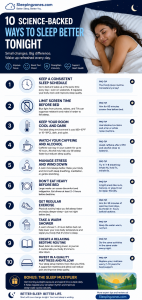
Improve Sleep Hygiene: Establishing a consistent sleep schedule, creating a relaxing bedtime routine, and ensuring a comfortable sleep environment can enhance sleep quality.
-
Reduce Stress: Practicing relaxation techniques, such as mindfulness, meditation, or yoga, can help alleviate stress and anxiety, which may, in turn, reduce the frequency of sleep paralysis episodes.
-
Position Awareness: If you experience sleep paralysis while sleeping on your back, trying to adopt a side-sleeping position may help mitigate occurrences.
-
Seek Professional Help: If sleep paralysis becomes frequent or severely impacts your quality of life, consulting with a sleep specialist or mental health professional may be beneficial. Cognitive-behavioral therapy (CBT) can be particularly effective in managing anxiety related to sleep disturbances.
-
Education and Awareness: Understanding sleep paralysis can alleviate fear and anxiety associated with the condition. Knowing that it is a common experience can provide reassurance.
Conclusion
Sleep paralysis remains a mysterious and frightening phenomenon that affects many individuals worldwide. By demystifying this experience through scientific understanding, one can approach sleep paralysis with a more informed perspective. Through effective coping strategies, clarity, and support, those affected can take significant steps toward reclaiming their sleep and overall well-being.
FAQs About Sleep Paralysis
1. Can sleep paralysis happen to anyone?
Yes, sleep paralysis can affect anyone, though some individuals are more susceptible due to factors such as sleep disorders, stress, and irregular sleep patterns.
2. Is sleep paralysis a sign of a more serious condition?
While sleep paralysis itself is not typically indicative of a serious medical condition, it can be associated with other sleep disorders. If episodes become frequent or severely impact your life, consult a healthcare professional.
3. How can I prevent sleep paralysis?
Improving sleep hygiene, managing stress, maintaining a consistent sleep schedule, and sleeping in different positions can help reduce the likelihood of sleep paralysis.
4. Are the hallucinations during sleep paralysis real?
Hallucinations experienced during sleep paralysis can feel very real, but they are a product of the brain’s activity during the transition between REM sleep and wakefulness.
5. How long does sleep paralysis last?
Episodes of sleep paralysis usually last from a few seconds to a couple of minutes before normal muscle control returns.
6. What should I do if I experience sleep paralysis?
It’s important to stay calm and focus on relaxing your body while waiting for the episode to pass. It’s also helpful to become educated about the phenomenon, as understanding it can reduce fear and anxiety related to future occurrences.
[ad_2]