
[ad_1]
In today’s fast-paced world, sleep often takes a back seat to our busy schedules and demanding lifestyles. Insomnia, characterized by difficulty falling asleep, staying asleep, or waking too early, has become a common issue for many. In such cases, the allure of sleeping pills can be enticing—promising a quick fix for sleepless nights. However, the question remains: are sleeping pills truly the best solution for insomnia?
Understanding Insomnia
Before diving into the role of sleeping pills, it’s essential to understand insomnia itself. According to the American Academy of Sleep Medicine, insomnia affects roughly 30% of adults, with 10% suffering from chronic insomnia. Factors may include stress, anxiety, depression, medical conditions, and poor sleep habits. Addressing these root causes should be the primary aim of any treatment strategy.
Types of Sleeping Pills
Sleeping pills can be broadly categorized into two groups: prescription medications and over-the-counter (OTC) remedies.
Prescription Sleeping Pills
Prescription medications include benzodiazepines (e.g., Xanax, Valium) and non-benzodiazepine sleep aids (e.g., Ambien, Lunesta). While often effective, these medications carry a risk of dependence, tolerance, and withdrawal symptoms.
Pros:
- Fast-acting and effective for short-term use.
- Can help reset a disrupted sleep cycle.
Cons:
- Risk of addiction and dependency.
- Side effects such as dizziness, daytime drowsiness, and impaired coordination.
- Not recommended for long-term use.
Over-the-Counter Sleeping Aids
OTC sleep aids often contain antihistamines like diphenhydramine (found in Benadryl) or natural ingredients like melatonin, valerian root, or chamomile.
Pros:
- Generally have fewer side effects than prescription medications.
- Can be used for short-term issues or occasional sleeplessness.
Cons:
- May lead to dependency if overused.
- Antihistamines can cause next-day drowsiness and cognitive impairment.
- Lack of enough clinical research to support long-term efficacy and safety.
The Risks of Sleeping Pills
While sleeping pills can provide temporary relief, they often do not address the underlying causes of insomnia. Furthermore, their use carries risks, including:
-
Tolerance and Dependence: Over time, individuals may find they need higher doses to achieve the same effects, leading to a potential cycle of dependency.
-
Cognitive Impairment: Many sleeping pills can impair memory and cognitive function, which can affect daily performance and overall quality of life.
-
Sleep Architecture Alteration: Sleeping pills can alter the natural sleep cycle, affecting the REM (rapid eye movement) and deep sleep phases critical for restorative sleep.
-
Withdrawal Symptoms: Abruptly stopping the use of sleeping pills can lead to withdrawal symptoms, which might exacerbate insomnia.
Alternative Solutions
Rather than relying solely on sleeping pills, individuals suffering from insomnia might consider alternative solutions.
Cognitive Behavioral Therapy for Insomnia (CBT-I)
Cognitive Behavioral Therapy for Insomnia (CBT-I) is considered the gold standard for treating chronic insomnia. It focuses on addressing the thoughts and behaviors that contribute to sleeplessness. Studies have shown that CBT-I can be as effective as medication for many individuals and has lasting benefits.
Sleep Hygiene
Good sleep hygiene includes practices that promote consistent, restful sleep. Key components include:
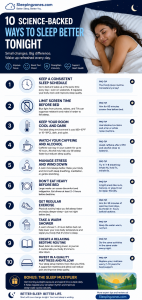
- Consistent Sleep Schedule: Going to bed and waking up at the same time daily helps regulate the body’s internal clock.
- Limit Screen Time: Reducing exposure to screens at least an hour before bedtime can improve sleep quality.
- Create a Relaxing Bedtime Routine: Engaging in calming activities, such as reading or meditation, can signal the body that it’s time to rest.
- Optimize Sleep Environment: Keeping the bedroom dark, quiet, and cool can contribute to better sleep.
Natural Remedies
For those seeking non-pharmaceutical interventions, various natural remedies may promote better sleep:
- Melatonin: This hormone regulates the sleep-wake cycle and can be effective for some individuals, particularly those experiencing circadian rhythm disruptions.
- Herbal Supplements: Valerian root, chamomile, and lavender are often cited for their calming properties. However, individuals should consult healthcare providers before trying these.
The Importance of Professional Guidance
Before starting any treatment for insomnia, it’s crucial to consult a healthcare provider. They can help identify underlying health conditions, assess potential interactions with other medications, and recommend the best treatment strategies tailored for individual circumstances.
FAQs
1. Are sleeping pills safe for long-term use?
Sleeping pills are generally not recommended for long-term use due to the risk of dependency, side effects, and the potential alteration of natural sleep patterns. It’s best to discuss any medication strategy with a healthcare professional.
2. Can natural remedies effectively manage insomnia?
Natural remedies can be effective for some individuals, but results vary. It’s crucial to consult a healthcare professional before trying any new supplements or herbal treatments to avoid interactions or allergies.
3. What is CBT-I, and how does it work?
Cognitive Behavioral Therapy for Insomnia (CBT-I) is a structured program that helps individuals understand and change thoughts and behaviors contributing to insomnia. It often includes techniques to improve sleep hygiene, relaxation strategies, and cognitive restructuring.
4. How can I improve my sleep hygiene?
Improving sleep hygiene involves establishing a consistent sleep schedule, creating a comfortable sleep environment, limiting screen time before bed, and engaging in calming bedtime routines.
5. When should I seek medical help for insomnia?
If insomnia is affecting your daily functioning, persists for more than a few weeks, or is accompanied by other symptoms like anxiety or depression, it’s important to consult a healthcare professional for evaluation and potential treatment options.
Conclusion
While sleeping pills offer a tempting solution for insomnia, they are not a one-size-fits-all answer. The effectiveness of sleeping pills can be overshadowed by risks such as dependency and cognitive impairment. Addressing insomnia through lifestyle changes, therapy, and natural remedies may yield more sustainable results. Always consult with a healthcare provider to create a comprehensive and personalized approach to managing sleepless nights, ensuring you can embrace restful, restorative sleep.
[ad_2]