
Can sleep apnea cause insomnia and frequent waking at night?
Yes. Sleep apnea can cause repeated interruptions in breathing during sleep, forcing the brain to wake up multiple times throughout the night. These awakenings may be so brief that a person does not remember them, but they can lead to chronic insomnia, daytime fatigue, brain fog, and poor sleep quality.
You’ve Tried Every Sleep Supplement. Why Are You Still Exhausted?
For millions of people, poor sleep becomes a frustrating cycle.
They try:
- Melatonin
- Magnesium
- Glycine
- Ashwagandha
- Valerian Root
- Sleep teas
- Sleep hygiene routines
Yet they still wake up several times a night feeling exhausted and unable to return to sleep.
If this sounds familiar, the real problem may not be insomnia at all.
The hidden culprit could be obstructive sleep apnea (OSA)—a condition that affects breathing during sleep and silently destroys sleep quality night after night.
Understanding the connection between sleep apnea, snoring, and insomnia could be the breakthrough you’ve been searching for.
What Is Sleep Apnea?
Sleep apnea is a sleep disorder where breathing repeatedly stops or becomes significantly reduced during sleep.
The most common form is Obstructive Sleep Apnea (OSA).
During sleep:
- The muscles in the throat relax.
- The airway narrows or collapses.
- Breathing becomes restricted.
- Oxygen levels may decrease.
- The brain briefly wakes the body to restore breathing.
This cycle can happen dozens or even hundreds of times each night.
Many people never realize it is happening.
The Surprising Relationship Between Sleep Apnea and Insomnia
Most people think insomnia means:
- Difficulty falling asleep
- Stress-related sleep problems
- Anxiety before bedtime
However, many sleep apnea sufferers experience a different form of insomnia.
Instead of struggling to fall asleep, they struggle to stay asleep.
Common experiences include:
- Waking suddenly during the night
- Feeling alert after waking
- Difficulty falling back asleep
- Tossing and turning
- Early morning awakenings
These symptoms occur because the brain is constantly responding to breathing disruptions.
Even if the awakenings last only a few seconds, they prevent the body from reaching restorative deep sleep stages.
Why Snoring Should Never Be Ignored
Many people treat snoring as an annoyance rather than a medical issue.
In reality, snoring can be a warning sign of airway obstruction.
When airflow becomes restricted:
- Soft tissues vibrate
- Loud snoring develops
- Airway resistance increases
Although not every snorer has sleep apnea, most people with sleep apnea snore.
Warning signs include:
- Loud snoring
- Choking or gasping during sleep
- Morning headaches
- Dry mouth upon waking
- Excessive daytime sleepiness
- Brain fog
- Poor concentration
Why Sleep Supplements Often Fail
The supplement industry is worth billions of dollars.
Unfortunately, supplements often target symptoms rather than causes.
Sleep supplements can help:
- Relax the nervous system
- Improve sleep onset
- Reduce stress
But they cannot physically keep the airway open.
Imagine trying to solve a blocked pipe by adding more water.
The underlying blockage remains.
Likewise, if your airway is collapsing during sleep, no amount of melatonin or magnesium can fully correct the problem.
This is why many people spend years experimenting with supplements without seeing meaningful improvements.
Common Symptoms of Undiagnosed Sleep Apnea
Many sufferers go years without a diagnosis.
Signs include:
During Sleep
- Loud snoring
- Pauses in breathing
- Restless sleep
- Frequent awakenings
- Night sweats
During the Day
- Chronic fatigue
- Difficulty concentrating
- Poor memory
- Irritability
- Depression symptoms
- Reduced productivity
Physical Symptoms
- Morning headaches
- Dry mouth
- High blood pressure
- Weight gain
- Reduced exercise recovery
Why CPAP Is the Gold Standard Treatment
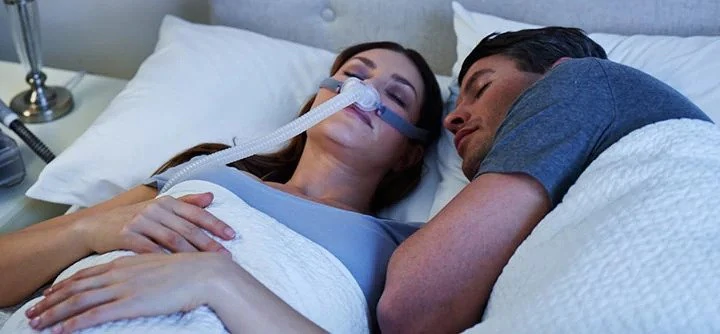
Continuous Positive Airway Pressure (CPAP) therapy remains the most effective treatment for moderate to severe sleep apnea.
The machine delivers pressurized air through a mask that prevents airway collapse.
Benefits include:
- Improved oxygen levels
- Reduced snoring
- Better sleep quality
- Lower cardiovascular risk
- Increased daytime energy
For many people, CPAP is life-changing.
However, not everyone can tolerate it.
Why Some Patients Cannot Use CPAP
Despite its effectiveness, CPAP has challenges.
Common complaints include:
- Claustrophobia
- Mask discomfort
- Air leaks
- Dry mouth
- Noise
- Travel inconvenience
- Difficulty adjusting to therapy
As a result, some patients discontinue treatment and continue searching for alternatives.
What Is a Mandibular Advancement Device (MAD)?
A Mandibular Advancement Device (MAD) is a custom oral appliance fitted by a sleep dentist.
It works by gently moving the lower jaw forward during sleep.
This forward positioning helps:
- Open the airway
- Reduce airway collapse
- Minimize snoring
- Improve airflow
For individuals with mild to moderate obstructive sleep apnea, MAD therapy can be highly effective.
Benefits of a Mandibular Advancement Device
Many patients prefer MAD therapy because it is:
Comfortable
Most devices are custom-made to fit the patient’s mouth.
Portable
No electricity or bulky equipment is required.
Silent
Unlike CPAP machines, oral appliances produce no noise.
Easy to Travel With
The device can fit into a small case and be carried anywhere.
Effective for Mild to Moderate OSA
Research continues to show positive outcomes for appropriately selected patients.
Lifestyle Changes That Can Improve Sleep Apnea
While medical treatment is important, lifestyle modifications can also help.
Weight Management
Even modest weight loss may reduce airway obstruction.
Sleeping Position
Side sleeping often reduces snoring and airway collapse.
Avoid Alcohol Before Bed
Alcohol relaxes airway muscles and may worsen symptoms.
Regular Exercise
Physical activity can improve sleep quality and overall health.
Consistent Sleep Schedule
Maintaining a regular bedtime supports better sleep architecture.
Long-Term Risks of Untreated Sleep Apnea
Ignoring sleep apnea can have serious consequences.
Potential risks include:
- High blood pressure
- Heart disease
- Stroke
- Type 2 diabetes
- Depression
- Reduced cognitive performance
- Increased accident risk due to fatigue
Early diagnosis and treatment can significantly reduce these risks.
How to Know If You Need a Sleep Study
Consider speaking with a healthcare provider if you experience:
- Loud snoring
- Frequent night waking
- Daytime fatigue
- Morning headaches
- Observed pauses in breathing
- Difficulty staying asleep
A sleep study can determine whether sleep apnea is contributing to your symptoms.
Testing options may include:
- Home sleep tests
- In-lab sleep studies
- Sleep specialist evaluations
The Future of Sleep Health: Moving Beyond Supplements
The future of sleep improvement is shifting away from simply masking symptoms.
Instead of asking:
“Which supplement should I try next?”
More people are asking:
“Why am I waking up in the first place?”
This change in perspective is helping millions uncover hidden causes such as sleep apnea, airway restriction, and sleep-disordered breathing.
For many sufferers, the solution is not another bottle of supplements—it is identifying and treating the underlying condition disrupting sleep every night.
Final Thoughts
If you’ve spent years experimenting with sleep supplements, sleep routines, and relaxation techniques without success, it may be time to investigate your breathing.
Sleep apnea often hides behind symptoms that look like insomnia, anxiety, or chronic fatigue.
Fortunately, effective treatments exist.
Whether through CPAP therapy, a mandibular advancement device, lifestyle changes, or a combination of approaches, addressing the root cause can dramatically improve sleep quality, energy levels, and overall health.
The first step toward better sleep may not be finding another sleep aid—it may be finally discovering why you’re waking up in the first place.