
Is a Mandibular Advancement Device as effective as CPAP?
CPAP is generally considered the most effective treatment for moderate to severe obstructive sleep apnea. However, Mandibular Advancement Devices (MADs) can be highly effective for people with mild to moderate sleep apnea, especially those who cannot tolerate CPAP therapy.
Diagnosed With Sleep Apnea? Here’s the Treatment Decision Many People Face
Receiving a sleep apnea diagnosis can bring both relief and confusion.
Relief because you’ve finally identified the reason behind your:
- Constant fatigue
- Brain fog
- Snoring
- Poor sleep quality
- Frequent nighttime awakenings
Confusion because you’re suddenly faced with treatment options.
The two most common are:
- Continuous Positive Airway Pressure (CPAP)
- Mandibular Advancement Devices (MADs)
Both can improve sleep quality and reduce symptoms, but they work in very different ways.
Understanding the advantages and disadvantages of each treatment can help you make an informed decision.
Understanding Obstructive Sleep Apnea
Obstructive Sleep Apnea (OSA) occurs when the airway repeatedly narrows or collapses during sleep.
These breathing interruptions can occur dozens or hundreds of times per night.
Common symptoms include:
- Loud snoring
- Waking up gasping
- Dry mouth
- Morning headaches
- Difficulty concentrating
- Daytime fatigue
- Insomnia-like symptoms
Treatment aims to keep the airway open throughout the night.
What Is CPAP Therapy?
CPAP stands for Continuous Positive Airway Pressure.
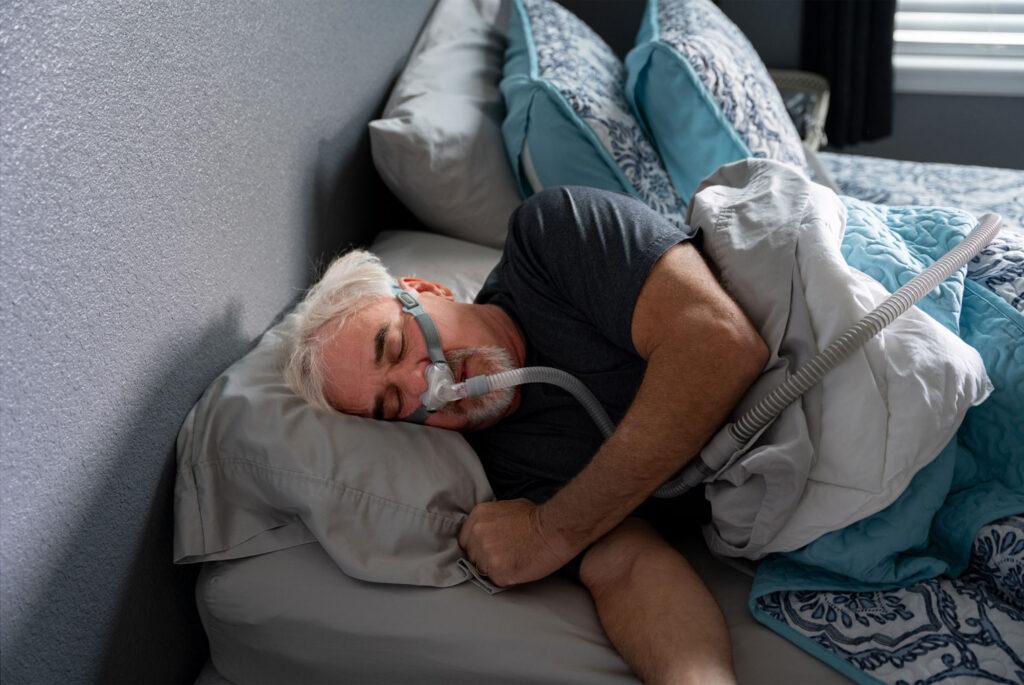
The machine delivers a steady stream of air through a mask worn while sleeping.
The air pressure prevents the airway from collapsing.
CPAP has been used for decades and remains the standard treatment for obstructive sleep apnea.
Benefits of CPAP Therapy
Highest Effectiveness Rate
CPAP is considered the most effective non-surgical treatment available.
It can significantly reduce:
- Apnea events
- Oxygen drops
- Snoring
- Sleep fragmentation
Suitable for Severe Cases
People with moderate to severe sleep apnea often achieve the best results with CPAP.
Immediate Improvement
Many patients report noticeable improvements in energy and sleep quality within days or weeks.
Proven Long-Term Benefits
Successful CPAP therapy may help lower the risk of:
- Heart disease
- Stroke
- High blood pressure
- Metabolic disorders
Common Challenges of CPAP
Despite its effectiveness, many users struggle with compliance.
Mask Discomfort
Some patients find masks uncomfortable or restrictive.
Claustrophobia
Wearing a mask throughout the night can feel overwhelming.
Air Leaks
Improper mask fit may reduce effectiveness.
Dryness and Irritation
Some users experience:
- Dry mouth
- Dry nose
- Nasal congestion
Travel Challenges
Transporting CPAP equipment can be inconvenient for frequent travelers.
What Is a Mandibular Advancement Device?
A Mandibular Advancement Device (MAD) is a custom oral appliance fitted by a sleep dentist.
The device gently shifts the lower jaw forward while sleeping.
This forward positioning helps:
- Expand the airway
- Reduce airway collapse
- Improve airflow
- Minimize snoring
How MAD Therapy Works
When the lower jaw moves forward:
- The tongue moves away from the throat
- Airway space increases
- Soft tissue obstruction decreases
As a result, breathing becomes easier during sleep.
For many patients with mild to moderate sleep apnea, this can substantially improve symptoms.
Benefits of Mandibular Advancement Devices
Easy to Wear
Most users adapt quickly to oral appliances.
Silent Treatment
Unlike CPAP machines, MADs produce no sound.
Portable
MAD devices fit inside a small protective case.
This makes them ideal for:
- Business travel
- Vacations
- Camping
- Frequent flyers
No Electricity Required
The device functions without batteries or power sources.
Improved Compliance
Many patients use MADs more consistently than CPAP because they are easier to tolerate.
Potential Drawbacks of MAD Therapy
While MADs help many patients, they are not perfect.
Possible side effects include:
Jaw Discomfort
Some users experience temporary soreness.
Tooth Movement
Long-term use may alter dental alignment in some cases.
Dry Mouth
Changes in mouth positioning can contribute to dryness.
Limited Effectiveness for Severe OSA
People with severe sleep apnea may not achieve sufficient improvement using a MAD alone.
CPAP vs MAD: Side-by-Side Comparison
| Feature | CPAP | MAD |
|---|---|---|
| Effectiveness | Excellent | Good to Excellent |
| Severe OSA | Best Option | Often Insufficient |
| Mild OSA | Excellent | Excellent |
| Moderate OSA | Excellent | Very Good |
| Comfort | Variable | Generally High |
| Portability | Moderate | Excellent |
| Noise | Machine Noise | Silent |
| Travel Convenience | Moderate | Excellent |
| Compliance | Often Challenging | Often Better |
| Power Required | Yes | No |
Which Treatment Is More Effective?
The answer depends on two important factors:
Treatment Power
CPAP generally produces the greatest reduction in apnea events.
Treatment Compliance
A treatment only works if you actually use it.
Some studies suggest that although CPAP may be more effective in theory, many patients use their MAD more consistently.
As a result, real-world outcomes can sometimes be surprisingly similar for mild and moderate sleep apnea sufferers.
Who Is a Good Candidate for a MAD?
You may be a strong candidate if you:
- Have mild sleep apnea
- Have moderate sleep apnea
- Cannot tolerate CPAP
- Travel frequently
- Primarily suffer from snoring
- Have healthy teeth and gums
A sleep dentist can determine whether oral appliance therapy is appropriate.
Who Should Consider CPAP First?
CPAP is often recommended if you:
- Have severe sleep apnea
- Experience significant oxygen drops
- Have cardiovascular complications
- Need maximum airway support
Many sleep specialists view CPAP as the first-line treatment for severe cases.
Can CPAP and MAD Therapy Be Combined?
Yes.
Some patients use both treatments depending on circumstances.
Examples include:
- CPAP at home
- MAD while traveling
Others combine therapies under medical supervision to improve overall results.
Other Sleep Apnea Treatment Options
Beyond CPAP and MAD devices, treatment may include:
Weight Loss
Excess body weight can increase airway obstruction.
Positional Therapy
Sleeping on the side rather than the back may reduce symptoms.
Nasal Treatments
Improving nasal airflow can support better breathing.
Surgery
Certain structural airway issues may benefit from surgical correction.
Lifestyle Changes
Reducing alcohol consumption and maintaining healthy sleep habits can help.
How Much Does a Custom MAD Cost?
Costs vary depending on:
- Provider
- Location
- Device type
- Insurance coverage
Although custom appliances often require a higher upfront investment, many patients consider them worthwhile due to improved comfort and convenience.
Questions to Ask Your Sleep Dentist
Before committing to treatment, consider asking:
- Am I a good candidate for a MAD?
- What results should I realistically expect?
- How long will adjustment take?
- Will insurance cover the device?
- How often will follow-up appointments be needed?
These questions can help set realistic expectations.
Final Thoughts
Choosing between CPAP and a Mandibular Advancement Device is not about finding a universally “better” treatment.
It’s about finding the treatment you can consistently use.
CPAP remains the most effective therapy for many sleep apnea patients, particularly those with severe disease.
However, for people with mild to moderate sleep apnea who struggle with CPAP compliance, a custom MAD may offer an effective, comfortable, and life-changing alternative.
The best treatment is the one that improves your breathing, protects your health, and helps you wake up feeling rested again.
By working closely with a sleep specialist and sleep dentist, you can identify the solution that fits your lifestyle and long-term health goals.