
Can sleep apnea cause anxiety and depression?
Yes. Sleep apnea can contribute to anxiety, depression, irritability, brain fog, and memory problems due to repeated sleep disruptions and reduced oxygen levels during sleep. Treating sleep apnea often improves mood, cognitive function, and overall mental well-being.
Why You Feel Mentally Exhausted Even After Sleeping
Have you ever experienced this?
You spend:
- 7 to 9 hours in bed
- Fall asleep relatively easily
- Follow a healthy sleep schedule
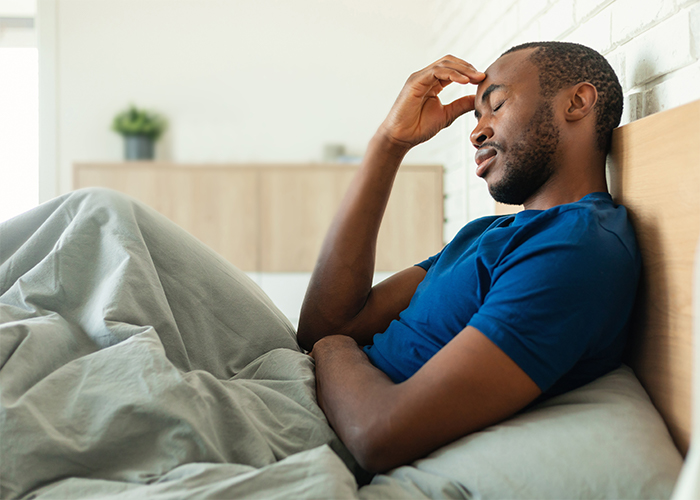
Yet you wake up feeling:
- Mentally drained
- Anxious
- Unmotivated
- Foggy
- Irritable
Many people immediately blame:
- Stress
- Burnout
- Anxiety disorders
- Depression
- Aging
While these may contribute, there is another often-overlooked possibility:
Sleep apnea.
What many people don’t realize is that sleep apnea affects far more than breathing. It can significantly impact mental health, emotional regulation, memory, and cognitive performance.
Read Also; Waking Up Tired? The Hidden Link Between Sleep Apnea, Snoring, and Chronic Insomnia
Understanding Sleep Apnea
Obstructive Sleep Apnea (OSA) occurs when the airway repeatedly becomes partially or completely blocked during sleep.
This causes:
- Reduced airflow
- Oxygen fluctuations
- Repeated awakenings
- Fragmented sleep
Many individuals experience dozens or even hundreds of breathing disruptions every night.
The brain never receives the uninterrupted restorative sleep it needs.
Why Sleep Quality Matters More Than Sleep Quantity
Many people focus on the number of hours they sleep.
However, sleep quality is often more important.
Someone with untreated sleep apnea may sleep for eight hours but experience:
- Constant sleep interruptions
- Reduced deep sleep
- Reduced REM sleep
- Oxygen fluctuations
As a result, the brain wakes up feeling deprived despite spending enough time in bed.
How Sleep Apnea Affects the Brain
Sleep is essential for:
- Memory formation
- Emotional regulation
- Learning
- Focus
- Problem solving
- Mental recovery
When sleep becomes fragmented night after night, the brain begins to struggle.
Over time this can create symptoms that closely resemble mental health disorders.
The Connection Between Sleep Apnea and Anxiety
Many people with sleep apnea report symptoms of anxiety.
Common experiences include:
- Constant worry
- Racing thoughts
- Nervousness
- Increased stress sensitivity
- Feeling overwhelmed
Why does this happen?
Oxygen Fluctuations
Repeated oxygen drops can trigger physiological stress responses.
Increased Stress Hormones
Sleep deprivation increases production of stress-related hormones.
Hyperarousal
The brain becomes conditioned to remain alert because breathing interruptions repeatedly force awakenings.
The result is a body that never fully relaxes.
Can Sleep Apnea Cause Panic Attacks?
In some cases, yes.
People with untreated sleep apnea may wake up:
- Gasping for air
- Choking
- With a pounding heart
These episodes can feel similar to panic attacks.
Some individuals are initially diagnosed with anxiety disorders before sleep apnea is discovered.
The Link Between Sleep Apnea and Depression
Depression and sleep apnea frequently occur together.
Symptoms may include:
- Low mood
- Loss of motivation
- Fatigue
- Emotional numbness
- Difficulty enjoying activities
Sleep apnea can contribute to these symptoms because the brain never receives adequate restorative sleep.
Over time, chronic exhaustion affects emotional resilience and overall mental health.
Why Brain Fog Is One of the Most Common Symptoms
Brain fog is often described as:
- Mental cloudiness
- Slower thinking
- Reduced concentration
- Poor memory
- Difficulty finding words
Many sleep apnea sufferers struggle with these symptoms daily.
The brain simply cannot perform at its best when sleep quality is compromised night after night.
Memory Problems and Sleep Apnea
Memory formation occurs during important stages of sleep.
When sleep is repeatedly interrupted:
- Information processing suffers
- Memory consolidation becomes less effective
- Learning efficiency declines
Many people report:
- Forgetting appointments
- Losing focus during conversations
- Misplacing items frequently
- Difficulty retaining new information
These symptoms often improve after successful treatment.
Why Sleep Apnea Is Frequently Misdiagnosed
Sleep apnea often disguises itself as other conditions.
Common misdiagnoses include:
- Generalized anxiety disorder
- Depression
- Chronic fatigue syndrome
- Burnout
- Insomnia
- ADHD-like symptoms
Because breathing disruptions occur during sleep, the true cause may remain hidden for years.
Signs Your Mental Health Symptoms May Be Sleep-Related
Consider sleep apnea as a possibility if you experience:
During Sleep
- Loud snoring
- Frequent awakenings
- Gasping for air
- Dry mouth
- Restless sleep
During the Day
- Brain fog
- Anxiety
- Fatigue
- Irritability
- Poor concentration
The combination of sleep symptoms and mental health symptoms is particularly important.
The Science Behind Emotional Regulation and Sleep
The brain relies on healthy sleep to regulate emotions.
During restorative sleep:
- Stress responses decrease
- Emotional processing improves
- Memory systems organize information
- Mood stabilizes
Sleep apnea disrupts these processes repeatedly.
Over time, emotional resilience declines.
This is why small challenges may feel overwhelming when sleep quality is poor.
Can Treating Sleep Apnea Improve Mental Health?
In many cases, yes.
Many patients report improvements in:
- Mood
- Energy levels
- Anxiety symptoms
- Concentration
- Productivity
- Memory
- Motivation
Improvement often occurs gradually as sleep quality improves.
However, treatment is not a replacement for mental health care when anxiety or depression exists independently.
A comprehensive approach is often most effective.
Sleep Apnea Treatment Options
Several treatments may help restore healthy sleep.
CPAP Therapy
Continuous Positive Airway Pressure remains the most effective treatment for many individuals.
It helps keep the airway open throughout the night.
Mandibular Advancement Devices (MADs)
Custom oral appliances fitted by sleep dentists can help maintain airflow during sleep.
These are particularly useful for mild to moderate obstructive sleep apnea.
Lifestyle Changes
Healthy habits may support treatment success:
- Weight management
- Regular exercise
- Side sleeping
- Reducing alcohol consumption
Medical Evaluation
Consulting a sleep specialist is essential for determining the most appropriate treatment plan.
How to Know If You Need a Sleep Study
A sleep study may be worth considering if you experience:
- Persistent fatigue
- Loud snoring
- Frequent awakenings
- Brain fog
- Anxiety symptoms
- Morning headaches
- Daytime sleepiness
Sleep testing can identify whether sleep-disordered breathing is contributing to your symptoms.
The Cost of Ignoring Sleep Apnea
Untreated sleep apnea affects far more than sleep.
Potential consequences include:
- Reduced productivity
- Relationship difficulties
- Poor mental health
- Increased cardiovascular risk
- Reduced quality of life
Many people spend years treating symptoms without addressing the underlying cause.
Final Thoughts
If you’ve been struggling with anxiety, depression, brain fog, or chronic fatigue, don’t overlook the possibility that your sleep may be involved.
Sleep apnea is one of the most common yet underdiagnosed conditions affecting both physical and mental health.
The encouraging news is that effective treatments exist.
By improving sleep quality and restoring healthy breathing, many individuals experience meaningful improvements in mood, focus, memory, and overall well-being.
Sometimes the path to better mental health begins not with another medication or supplement—but with a better night’s sleep.