
How to Sleep Better with Anxiety at Night
Understanding Nighttime Anxiety and Sleep Struggles
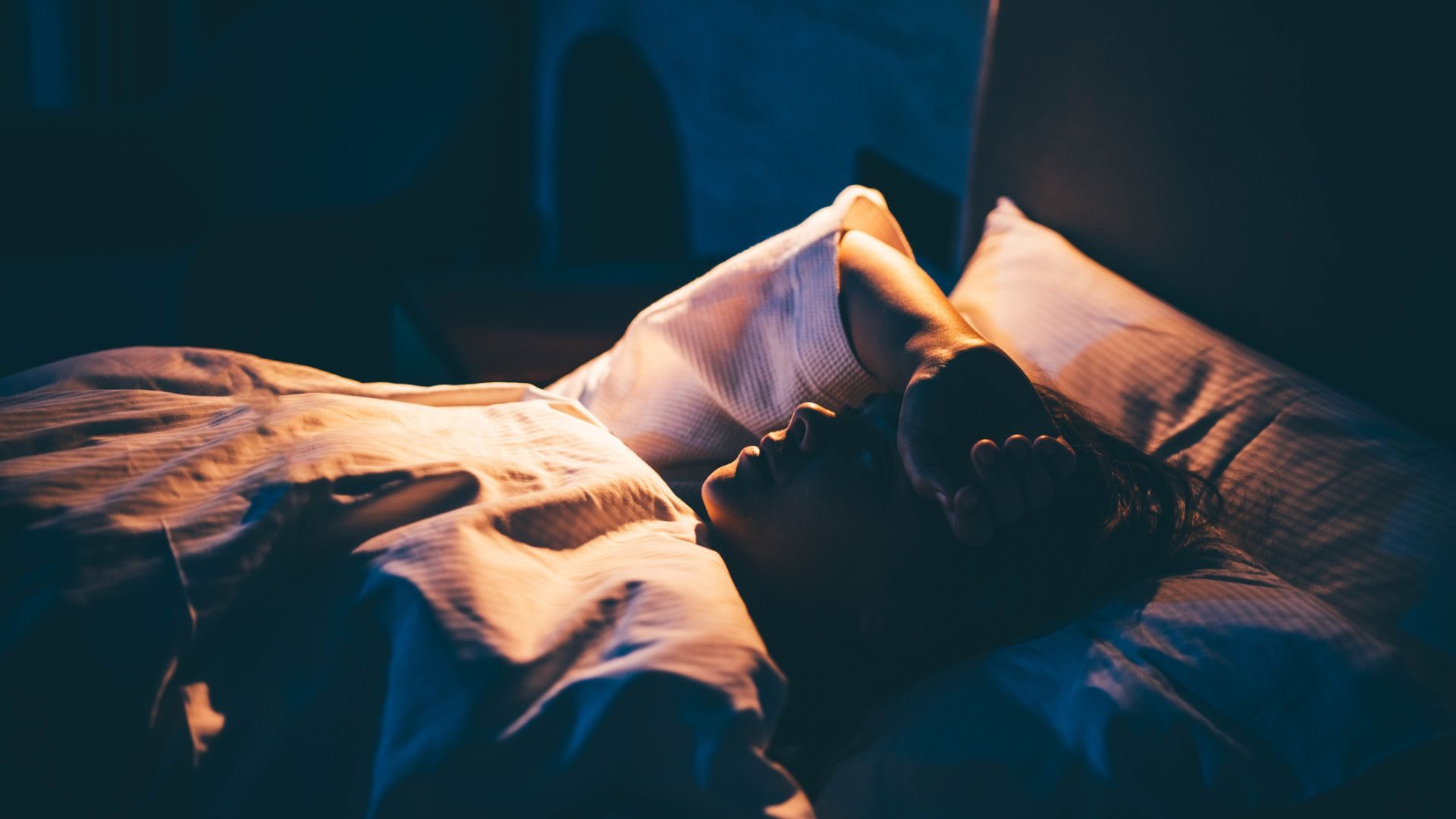
Ever notice how your mind suddenly becomes the loudest place on earth the moment your head hits the pillow? That’s not a coincidence. Nighttime anxiety tends to show up when distractions fade away and your brain finally has “space” to think. During the day, you’re busy—school, work, social media, responsibilities—but at night, it’s just you and your thoughts. And sometimes, that silence feels like a megaphone for worries.
What makes it worse is that your brain naturally shifts into a reflective mode before sleep. It starts reviewing the day, predicting tomorrow, and sometimes even digging up old worries you thought you had buried. This is why anxiety often feels heavier at night compared to daytime. It’s not that your problems increase—it’s just that your mind has fewer distractions to keep them quiet.
Sleep itself becomes a challenge because anxiety keeps your body alert. Instead of relaxing into rest mode, your brain stays partially on “watch mode,” as if something important might happen at any moment. That internal alert system is helpful in danger—but not so helpful when you’re trying to sleep peacefully.
The Science Behind Anxiety and Sleep Disruption
To understand why anxiety messes with sleep, you need to look at what’s happening inside your body. When you feel anxious, your brain activates the stress response system, releasing hormones like cortisol and adrenaline. These are designed to keep you awake, alert, and ready to respond.
The problem? Sleep requires the exact opposite state—calm, low heart rate, and reduced brain activity.
Stress hormones and the sleep cycle
When cortisol stays high at night, your body struggles to transition into deep sleep stages. Instead of drifting into rest, you might stay stuck in light sleep or wake up frequently. It’s like trying to drive with one foot on the gas and one on the brake.
How anxiety affects REM sleep
REM sleep is where your brain processes emotions and memories. Anxiety disrupts this cycle, making sleep feel less refreshing. You may even wake up feeling tired despite sleeping for hours. Over time, this creates a loop: poor sleep increases anxiety, and anxiety further reduces sleep quality.
Common Signs You’re Struggling with Anxiety at Night
Not everyone experiences anxiety the same way, but nighttime symptoms often share a few patterns.
Racing thoughts and overthinking
You lie down, close your eyes, and suddenly your brain becomes a news broadcaster replaying every mistake, worry, or “what if” scenario. Thoughts move quickly, jumping from one topic to another without pause. It feels impossible to “switch off.”
Physical symptoms like heart racing and restlessness
Anxiety isn’t just mental—it shows up physically too. You might feel your heart beating faster, muscles tightening, or a strange restlessness that makes it hard to stay still. Even your breathing may feel shallow or irregular, making relaxation even harder.
These signs are your body staying in alert mode even when you’re safe in bed.
Creating the Right Sleep Environment
Your environment plays a huge role in how quickly your body relaxes.
Light, sound, and temperature control
Your brain is sensitive to light and temperature cues. Bright or blue light can trick your brain into thinking it’s still daytime. A cooler room temperature, soft lighting, and minimal noise help signal that it’s time to rest. Think of your bedroom as a “shutdown zone” for your mind.
Digital detox before bed
Phones and screens are one of the biggest sleep disruptors. Social media, messages, and videos keep your brain active when it should be slowing down. Even a short break from screens before bed can significantly reduce mental stimulation and help your body ease into sleep mode.
Relaxation Techniques That Actually Work
When anxiety is high, you need tools that actively calm your nervous system.
Deep breathing exercises
Slow breathing sends a message to your brain that you are safe. A simple method is inhaling deeply through your nose, holding for a few seconds, then exhaling slowly. This helps reduce heart rate and brings your body into a calmer state.
Progressive muscle relaxation
This technique involves tightening and then releasing different muscle groups in your body. It helps release physical tension you may not even realize you’re holding. By the time you finish, your body feels noticeably lighter and more relaxed.
Guided imagery and visualization
Imagine a peaceful place—maybe a quiet beach, a forest, or a calm field. The more detailed the image, the better your brain can shift focus away from anxious thoughts. This works like mentally “transporting” yourself away from stress.
Building a Night Routine That Calms Anxiety
A consistent routine tells your brain, “It’s time to slow down now.”
Consistency in sleep timing
Going to bed and waking up at similar times every day trains your internal clock. When your body knows what to expect, it becomes easier to fall asleep naturally.
Wind-down activities that reduce stress
Instead of jumping straight from activity into bed, create a buffer period. This could include reading, listening to soft music, or taking a warm shower. These small habits act like a bridge between a busy day and restful sleep.
Mental Strategies to Stop Overthinking at Night
Sometimes the issue isn’t your body—it’s your thoughts.
Journaling to unload thoughts
Writing down your worries before bed can help “offload” mental clutter. It’s like clearing tabs in your brain so they don’t all try to run at once when you’re trying to sleep.
Cognitive reframing techniques
This involves challenging anxious thoughts. Instead of thinking “Tomorrow will go badly,” you can shift to “I’ll handle things one step at a time.” This doesn’t ignore problems—it just makes them feel more manageable.
Lifestyle Habits That Improve Sleep Quality
What you do during the day affects your night more than you think.
Diet and caffeine control
Caffeine can stay in your system for hours, keeping your brain alert long after you’ve had it. Heavy meals or sugary snacks before bed can also disrupt sleep. Choosing lighter evening foods helps your body relax more easily.
Exercise and physical activity timing
Regular exercise helps reduce anxiety overall, but timing matters. Exercising too late in the evening can energize your body when it should be winding down. Morning or afternoon activity tends to work best.
When to Seek Professional Help
Sometimes anxiety becomes too persistent to manage alone.
Signs anxiety is becoming a sleep disorder
If sleep problems continue for weeks or months, or if anxiety is severely affecting daily life, it may be time to seek help. Constant fatigue, mood changes, and inability to function well are warning signs.
Therapy and treatment options
Therapies like cognitive behavioral therapy (CBT) are commonly used to treat anxiety-related sleep issues. In some cases, professionals may also recommend additional support tailored to your situation.
Conclusion
Anxiety at night can feel overwhelming, but it’s not permanent and not unbeatable. Your brain is simply stuck in a high-alert mode when it should be powering down. With the right combination of environment, routines, and mental techniques, you can gradually retrain your mind to relax at night. Sleep isn’t just about closing your eyes—it’s about teaching your body and mind that it’s safe to rest.
FAQs
1. Why does anxiety get worse at night?
Because distractions disappear, leaving your brain more space to focus on worries and thoughts.
2. Can anxiety cause insomnia?
Yes, anxiety can make it difficult to fall asleep or stay asleep due to increased alertness.
3. What is the fastest way to calm anxiety before bed?
Deep breathing, reducing screen time, and focusing on relaxation techniques can help quickly.
4. Does listening to music help with anxiety at night?
Yes, calming music can slow your heart rate and shift your attention away from anxious thoughts.
5. When should I worry about my sleep anxiety?
If it consistently affects your daily life or lasts for weeks, it’s a good idea to seek professional support.