
How do I know if I have sleep apnea instead of insomnia?
If you wake up frequently during the night, snore loudly, experience morning headaches, dry mouth, daytime fatigue, or wake up gasping for air, you may have sleep apnea rather than insomnia. A sleep study can help determine the cause of your sleep problems.
You Think You Have Insomnia—But What If You’re Wrong?
For years, many people struggle with poor sleep, assuming they have insomnia.
They try:
- Melatonin
- Magnesium
- Herbal sleep aids
- Meditation
- Sleep hygiene routines
- Prescription sleeping pills
Yet nothing seems to work.
Why?
Because insomnia is often not the real problem.
Many people diagnosed with “insomnia” are actually experiencing symptoms caused by undiagnosed obstructive sleep apnea (OSA).
The challenge is that sleep apnea doesn’t always look like a breathing disorder.
In many cases, it looks exactly like insomnia.
Let’s explore the most common signs.
Read Also; CPAP vs Mandibular Advancement Devices (MAD): Which Sleep Apnea Treatment Is Right for You?
What Is the Difference Between Insomnia and Sleep Apnea?
Insomnia
Insomnia is primarily a disorder of sleep initiation or maintenance.
People with insomnia often:
- Have trouble falling asleep
- Wake up and cannot return to sleep
- Feel mentally alert at bedtime
- Experience stress-related sleep problems
Sleep Apnea
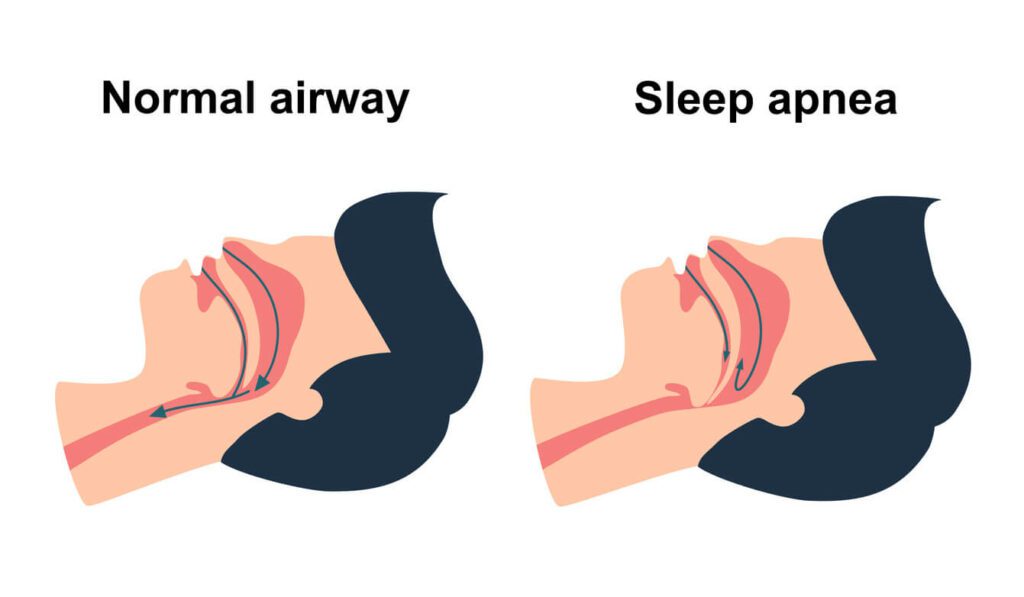
Sleep apnea is a breathing disorder.
It occurs when the airway repeatedly collapses during sleep, forcing the brain to briefly wake the body to restore breathing.
The result:
- Fragmented sleep
- Frequent awakenings
- Daytime exhaustion
The symptoms can overlap significantly.
Sign #1: You Wake Up Multiple Times Every Night
One of the most overlooked symptoms of sleep apnea is frequent waking.
Many people report:
“I wake up several times every night for no apparent reason.”
Each awakening may be caused by a breathing disruption.
Even if you don’t remember every awakening, your brain is constantly being pulled out of deeper sleep stages.
Sign #2: You Snore Loudly
Snoring is one of the strongest warning signs of obstructive sleep apnea.
While not every snorer has sleep apnea, loud and persistent snoring should never be ignored.
Particularly concerning signs include:
- Snoring every night
- Snoring that disturbs others
- Snoring interrupted by silence or choking sounds
These patterns often indicate airway obstruction.
Sign #3: You Wake Up Feeling Exhausted
People with insomnia may occasionally feel tired.
People with untreated sleep apnea often feel exhausted regardless of how many hours they spend in bed.
You may sleep:
- 7 hours
- 8 hours
- Even 10 hours
Yet still wake up feeling drained.
This happens because your sleep quality—not sleep quantity—is being compromised.
Sign #4: You Have Morning Headaches
Morning headaches are a common symptom of sleep-disordered breathing.
Possible causes include:
- Reduced oxygen levels
- Sleep fragmentation
- Changes in blood vessel regulation
If headaches frequently occur shortly after waking, sleep apnea should be investigated.
Sign #5: You Wake Up With a Dry Mouth
Many sleep apnea sufferers breathe through their mouths during sleep.
This can lead to:
- Dry mouth
- Sore throat
- Bad breath
- Thirst upon waking
If you regularly keep water near your bed because you wake up thirsty, airway issues may be contributing.
Sign #6: Someone Has Seen You Stop Breathing
This is one of the most important warning signs.
Partners often notice:
- Pauses in breathing
- Choking sounds
- Gasping
- Sudden body movements
These episodes can occur repeatedly throughout the night.
Many people remain unaware until a partner points it out.
Sign #7: You Feel Sleepy During the Day
Excessive daytime sleepiness is one of the hallmark symptoms of sleep apnea.
You may:
- Struggle to stay awake in meetings
- Feel tired while driving
- Need frequent naps
- Experience afternoon crashes
This occurs because your body never achieves sufficient restorative sleep.
Sign #8: Brain Fog and Poor Concentration
Sleep apnea affects cognitive performance.
Common complaints include:
- Forgetfulness
- Reduced focus
- Poor productivity
- Mental fatigue
- Difficulty learning new information
Many people mistakenly blame stress or aging.
In reality, chronic sleep disruption may be the underlying cause.
Sign #9: Your Sleep Supplements Don’t Work
This is a major clue.
If you’ve tried:
- Melatonin
- Magnesium
- Glycine
- L-Theanine
- Valerian Root
and still wake up throughout the night, your problem may not be related to falling asleep.
The issue may be breathing interruptions that supplements cannot fix.
No supplement can physically prevent airway collapse.
Sign #10: You Wake Up Gasping or With a Racing Heart
Perhaps the most alarming symptom is waking suddenly:
- Gasping for air
- Choking
- With a pounding heart
These episodes often occur when oxygen levels drop and the brain triggers an emergency awakening.
Although frightening, they are a common symptom of untreated sleep apnea.
Why Sleep Apnea Is Frequently Misdiagnosed
Sleep apnea is often overlooked because symptoms mimic other conditions.
Patients may be diagnosed with:
- Insomnia
- Anxiety
- Depression
- Chronic fatigue
- Stress-related sleep disorders
As a result, the root cause remains untreated.
Some people spend years pursuing ineffective solutions before receiving a proper diagnosis.
Who Is Most at Risk?
Sleep apnea can affect anyone, but risk increases with:
- Excess body weight
- Family history
- Large neck circumference
- Aging
- Smoking
- Alcohol use
- Nasal obstruction
Importantly, many people with sleep apnea are not overweight.
This misconception causes countless cases to go undiagnosed.
How Sleep Apnea Is Diagnosed
The most reliable way to diagnose sleep apnea is through a sleep study.
Options include:
Home Sleep Tests
Convenient and often more affordable.
In-Lab Sleep Studies
Provide detailed monitoring of:
- Breathing
- Oxygen levels
- Heart rate
- Sleep stages
A sleep specialist can determine which option is appropriate.
Treatment Options for Sleep Apnea
Fortunately, effective treatments are available.
CPAP Therapy
The gold standard treatment for moderate to severe cases.
Mandibular Advancement Devices (MADs)
Custom oral appliances fitted by sleep dentists that help keep the airway open.
Weight Management
Reducing excess weight may improve symptoms.
Positional Therapy
Changing sleeping position can reduce airway obstruction.
Surgical Treatments
Certain structural issues may require surgical intervention.
What Happens If Sleep Apnea Goes Untreated?
Untreated sleep apnea has been linked to:
- High blood pressure
- Heart disease
- Stroke
- Diabetes
- Depression
- Reduced quality of life
- Increased accident risk
The sooner treatment begins, the sooner these risks can be reduced.
When Should You See a Sleep Specialist?
Consider professional evaluation if you:
- Snore loudly
- Wake frequently
- Experience daytime fatigue
- Have morning headaches
- Wake up gasping
- Feel exhausted despite sleeping enough hours
A sleep study may provide the answers you’ve been searching for.
Final Thoughts
Many people spend years trying to fix insomnia when the real problem is sleep apnea.
If you recognize several signs on this list, it may be time to investigate your breathing rather than continuing to experiment with sleep supplements.
The good news is that sleep apnea is highly treatable.
Whether through CPAP therapy, a custom mandibular advancement device, lifestyle changes, or a combination of approaches, addressing the root cause can dramatically improve sleep quality, energy levels, and long-term health.
The first step toward better sleep is understanding what is actually waking you up.